Post by : Anis
Al-Rashid
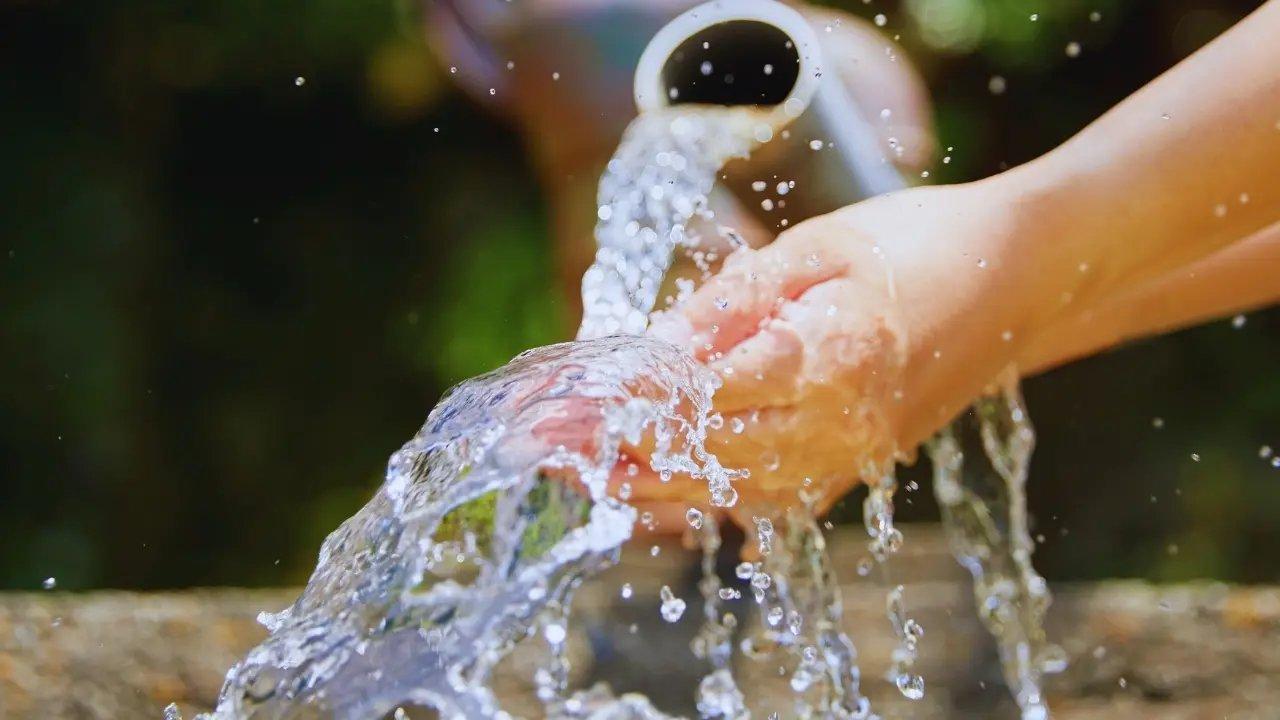
Clean water is essential for life, yet it is becoming increasingly scarce. With over 70% of the Earth’s surface covered in water, only a mere fraction—less than 1%—is fit for human consumption. As population numbers rise and industries expand, along with the adverse effects of climate change, clean water supplies are diminishing more rapidly than anticipated.
By 2035, experts warn that the value of clean water could eclipse that of oil, gas, and even rare minerals, driven by a mix of factors such as diminishing freshwater resources, climate change, rising pollution, excessive water usage, and rapid urban growth.
This article examines the reasons why clean water is on track to become humanity’s most sought-after commodity, delving into the scientific, economic, environmental, and political elements behind this transformation.
A Deeper Look into the Global Water Crisis
The Reality of Water Scarcity
Warnings about water shortages have evolved from theoretical discussions to an urgent reality:
-
Key rivers are drying up
-
Groundwater levels have plummeted
-
Lakes are dwindling
-
Glaciers are melting at alarming rates
-
Rainfall patterns are increasingly erratic
Many cities across Asia, Africa, the Middle East, and even parts of Europe and North America are already grappling with significant water shortages.
The Misleading Appearance of Abundance
The planet's designation as the "blue planet" can be deceiving. The majority of accessible water is:
The remaining fresh water is being rapidly consumed due to:
This diminishing supply underscores why clean water is projected to become a critical global resource.
Key Drivers Behind the Increased Value of Clean Water
1. Surging Population and Urban Development
Demand Outstripping Supply
As the global populace swells, the need for clean drinking water, sanitation, and industrial use is escalating. Urban migration amplifies this issue, with millions moving to cities struggling to meet water demands.
Projections suggest that by 2035, nearly two-thirds of the world’s population could inhabit regions stressed by water shortages.
2. Climate Change and Extreme Events
Unpredictable Weather and Prolonged Droughts
Climate change disrupts typical rainfall patterns:
-
Rainfall has become increasingly inconsistent
-
Drought periods extend
-
Floods compromise freshwater quality
-
Heatwaves enhance evaporation rates
These changes undermine the reliability of traditional water sources.
Glacial Thawing Affects Water Supply
While glaciers serve as vital water reservoirs, their rapid melting provides only temporary relief and leads to long-range deficits.
3. Pollution and Contamination Issues
Waste from Industry and Agriculture
Industrial activities and farming practices release harmful substances into natural water bodies. Contaminants render water unfit for consumption.
Challenges of Urban Waste Management
In many urban regions, inadequate waste treatment allows untreated sewage to flow into freshwater sources, further depleting clean water availability.
4. Excessive Groundwater Extraction
With nearly half of the world relying on groundwater for clean drinking water, over-extraction has led to dramatic declines in water tables in countries like India and the U.S.
Increasing difficulty in water access raises extraction costs, elevating the value of clean water.
5. Agricultural Use
The Sector with the Greatest Water Needs
Agriculture is the largest consumer of water globally, with some nations allocating up to 80% of freshwater supplies to farming. As food demand rises, this places immense strain on water resources.
Inefficient Agricultural Practices
Flood irrigation methods still in use waste significant amounts of water. Without advancements, the agricultural water demand will continue to threaten supply.
6. Expanding Industrial Water Needs
From manufacturing to data centers, industries depend on water for:
-
Cooling processes
-
Production steps
-
Sanitizing
-
Chemical procedures
As industries grow, so does the competition for water resources.
7. The High Costs of Desalination and Purification
Capital-Intensive Technologies
Transforming seawater into drinkable water through processes like reverse osmosis requires significant capital and energy. While necessary, these methods are:
As freshwater becomes scarcer, desalination may become essential, driving up the demand for naturally sourced clean water.
Economic Ramifications of Water Respected as a Valuable Resource
1. Water as a Valuable Commodity
Investors are beginning to recognize water as a tradable asset. With increasing scarcity, the market value of water is likely to rise dramatically.
Price Increases for Water-Intensive Goods
Products that require significant water—like textiles, agriculture, and beverages—may experience substantial price hikes.
2. Effects on Agriculture and Food Stability
Reduced water availability will lead to lower crop production, impacting livestock and making food production unpredictable. Heightened water constraints could spike food costs globally, affecting millions.
3. Economic Migration Driven by Water Scarcity
Regions with chronic water shortages may witness significant migration as communities seek areas with stable water supplies, altering global demographics.
Geopolitical Effects: Tensions over Water and International Dialogue
1. International River Conflicts
Major transboundary rivers like the Nile and Indus could be flashpoints for disputes as water becomes scarce. These tensions exist primarily among upstream and downstream nations.
Potential Conflict Regions
-
North Africa
-
South Asia
-
Middle East
-
Southeast Asia
The competition for shared water sources may escalate tensions among neighboring nations.
2. Water as a Tool for Strategic Negotiation
Countries rich in water may utilize their resources for:
-
Trade advantages
-
Political influence
-
Regional power dynamics
The concept of water security will become increasingly integral to national strategies.
3. Importance of Global Cooperation
To avert conflicts, nations must collaborate through treaties that involve:
-
Water sharing agreements
-
Limits on sustainable withdrawals
-
Management of river basins
-
Pollution mitigation
-
Shared technology initiatives
Collaboration is crucial to alleviate global water conflicts.
Hope Through Technological Advances
1. Advanced Water Management Systems
Leveraging AI and sensors can help cities and industries minimize waste and enhance water distribution.
Smart Innovations in Practice
-
Real-time leak detection technology
-
Automated agricultural irrigation systems
-
Water consumption analytics
-
Smart household meters
2. Advanced Desalination Techniques
Innovative research is focused on energy-efficient desalination technologies using:
These breakthroughs could significantly reduce costs moving forward.
3. Recycling and Reusing Water
Next-gen purification methods are capable of transforming wastewater into sustainable water sources for:
This model can extend the longevity of our water resources.
4. Large-Scale Rainwater Collection
Cities are beginning to enforce rooftop collection systems and urban rain harvesting strategies to maximize rainfall capture and lessen reliance on external sources.
Community and Individual Actions
Minimize Daily Water Waste
Small changes in daily routines can lead to significant water savings.
Support Sustainable Farming
Purchasing from eco-friendly farms promotes conservation.
Push for Better Policies
Advocacy can lead governments to invest in improved water management systems.
Utilize Technology for Monitoring
Smart technologies can help householders track and reduce water use.
In Summary
Clean water is swiftly becoming the most highly valued resource of our time. The escalating pressures from climate change and increasing demand will transform economic, societal, and geopolitical dynamics worldwide. We are already witnessing these changes affecting agriculture, industries, and national security.
Despite the challenges, there is room for optimism. With innovative technology, sound policies, and responsible consumption, we can tackle this crisis to construct a sustainable future where water security prevails. The next several decades will be critical for humanity in addressing this profound resource challenge.
Once plentiful and taken for granted, clean water is now emerging as the key resource of the 21st century.
Disclaimer
This article is intended for informational purposes only and does not substitute for formal scientific or policy guidance.


 English