Post by : Meena
Hassan
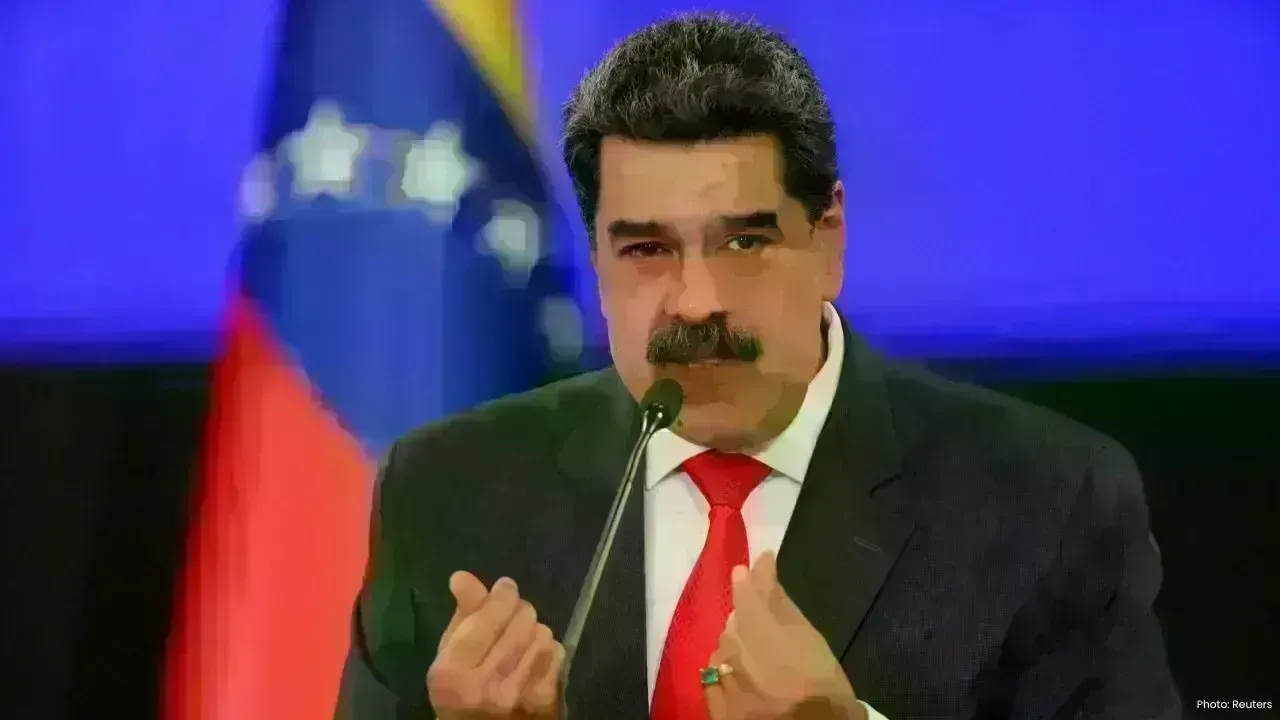
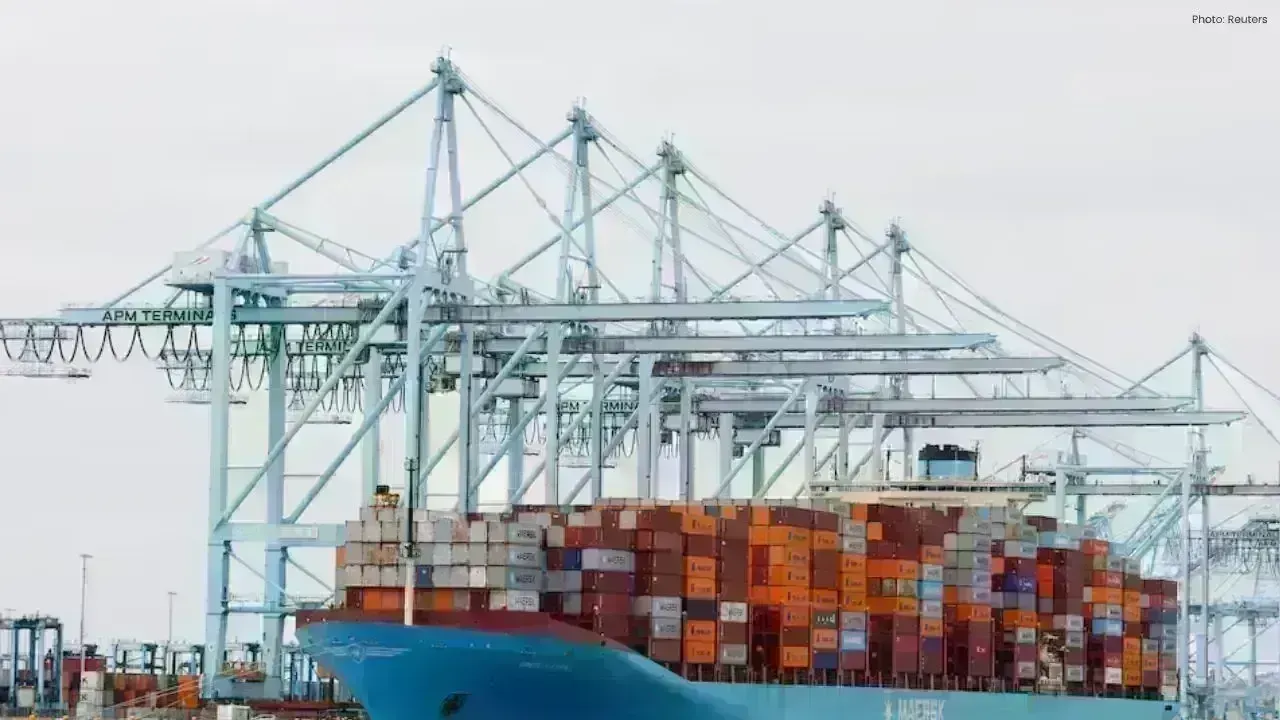
The U.S. Treasury has unveiled new sanctions against several relatives and close associates of Venezuelan President Nicolas Maduro, marking a notable uptick in pressure on the Caracas government. This action coincides with an increased military presence by the U.S. near Venezuelan waters, following a string of assertive operations close to the coastline. Recent U.S. military activities have involving strikes on ships that reportedly led to over 100 deaths, the confiscation of a Venezuelan oil tanker, and a naval blockade affecting ports under U.S. sanctions.
According to the Treasury's statement, these sanctions target seven individuals linked to Maduro's nephew, Malpica Flores, identified as one of the Venezuelan leader's so-called “narco-nephews.” The sanctions list also features Panamanian businessman Ramon Carretero. Washington asserts that these measures aim to dismantle the networks it believes support Maduro's “illegitimate dictatorship.” The U.S. has consistently claimed its actions focus on combating corruption and drug trafficking in its larger campaign against the Venezuelan regime.
While the U.S. cites drug trafficking as its central justication for military and economic actions, many critics contend that the approach is increasingly centered on Venezuela's abundant oil resources, the largest globally. Homeland Security adviser Stephen Miller, a prominent aide to the Trump administration, has declared that Venezuela’s oil “belongs to Washington,” labeling nationalizations of the oil sector as “the largest theft of American wealth and property.” Such statements have sparked debates regarding the U.S.'s actual motivations—whether they are resource control rather than anti-drug efforts.
In response, President Maduro has vehemently condemned the sanctions and American military actions, claiming these efforts are aimed at regime change and acquiring Venezuela’s oil. He asserts that the U.S. is fabricating justifications to facilitate increased intervention in Venezuelan affairs, accusing the Trump administration of conducting an “eternal war” to destabilize his government and infringe upon the country's sovereignty.
Meanwhile, the European Union has also proceeded with its targeted sanctions against Venezuela, prolonging measures initially imposed in 2017 through 2027. These measures include travel bans, asset freezes, and an embargo on arms shipments aiming to address human rights violations and repression by the state.
The latest U.S. sanctions signify a deepening of international pressure on Maduro's regime, which continues to grapple with extensive economic difficulties, social unrest, and increasing discontent among the Venezuelan populace. As military operations persist and diplomatic tensions rise, this situation illustrates the intricate relationship between geopolitical aspirations, economic assets, and humanitarian issues in the region.


 English