Post by : Mikhael
Al-Saeed
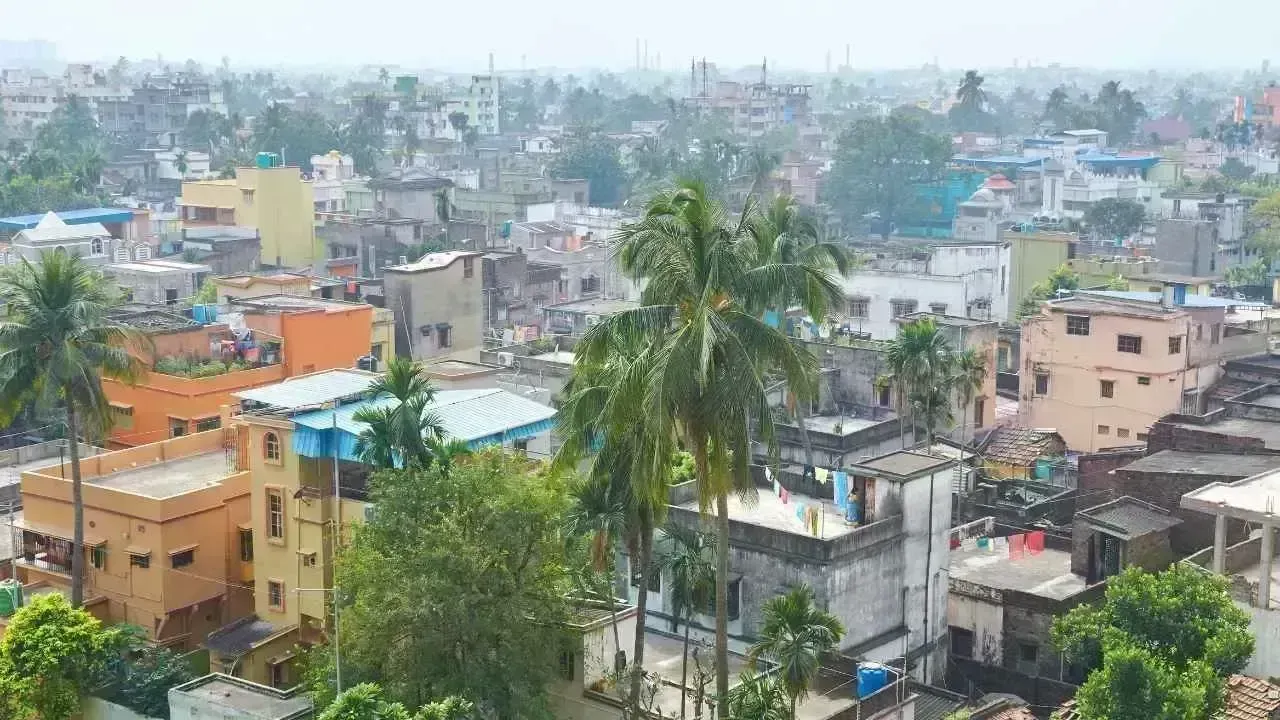
West Bengal: India’s Unique State with Seven Bordering Districts
Situated in eastern India, West Bengal is distinct in that it boasts seven districts so close to international borders that residents can walk into neighboring countries. This unique geographical trait sets it apart from other Indian states.
The state neighbors three countries: Bangladesh, Nepal, and Bhutan, making its borders an integral aspect of daily life for those living near them.
A Special State with Three Borders
West Bengal's elongated shape allows proximity to these nations at various points, which is rare in India, where most states touch just one foreign land.
Seven districts share international borders:
North 24 Parganas
South 24 Parganas
Nadia
Murshidabad
Malda
Darjeeling
Jalpaiguri
For residents, these borders are not just lines on a map; they are part of their community fabric.
Where Borders Are Close Friends
In many border towns, daily activities occur in close proximity to another country. Roads may separate India from Bangladesh, and people often refer to family members as living just “across the border,” highlighting strong ties that predate national divisions.
Before 1947, these regions were unified; borders have since disrupted local connectivity but not cultural bonds.
Residents continue to share languages, culinary traditions, and festivals—making borders feel like natural extensions of their communities.
Security Near the Borders
Although neighboring countries are a short walk away, crossing borders is strictly regulated. Security measures, such as fences and patrols, ensure that unauthorized crossings are prevented.
To cross legally, valid documents like visas and passports are required, with entry allowed only at designated points. Border markers are often starkly close to homes and farmland, reminding residents of the boundaries.
This reality often contrasts with common perceptions of borders as remote areas.
Life Along the Frontiers
Living near borders presents both rewards and challenges.
Benefits include:
Natural cultural exchange
Shared food and languages
Local economies thrive through border trade
Challenges faced:
Despite these difficulties, life continues with children attending school, vibrant markets operating, and celebrations occurring regularly.
Connecting with Nepal and Bhutan
In northern West Bengal, areas such as Darjeeling and Jalpaiguri share borders with Nepal and Bhutan, where paths tread through diverse terrain.
Visitors are often astounded by how close these three countries are, making these regions significant for tourism and trade.
Historical Context of the Borders
The presence of numerous border districts is a legacy of historical events, notably the Partition of India in 1947. This event divided Bengali territories, forming West Bengal and East Pakistan (now Bangladesh), leading to complex border delineations.
This division has lasting impacts on culture and geography, with families often divided.
Significance of the Borders to India
The border districts of West Bengal are crucial for:
National security
Facilitating international trade
Upholding cultural connections
Fostering relationships with neighbors
West Bengal acts as a bridge to eastern South Asia, with vital roadways, railways, and river routes linking it with its neighbors.
This positioning is significant for India's strategic and developmental initiatives.
Unique Geography of West Bengal
No other Indian state shares such extensive borders with multiple foreign countries in such a concentrated area. For locals, proximity to international boundaries is a norm, while for others, it showcases how nations can closely cohabit.
West Bengal's rich culture, literature, and culinary heritage are well-known, and its distinctive border geography adds another layer of significance. The state exemplifies that borders are not merely lines—they are intersections of history, culture, and daily existence.
Though legal restrictions exist, the closeness of these nations in West Bengal demonstrates the deep, historical connections in this region, illustrating how geography can profoundly influence local lives.
Disclaimer
This article is intended for informative and educational purposes. It presents geographical and historical insights in an accessible format. The content does not advocate for or support illegal border crossings or activities violating national or international laws. International borders remain strictly managed by security agencies, and compliance with legal protocols is essential. Readers should respect border regulations, adhere to official travel guidelines, and seek reliable sources for updated information regarding border movements and travel stipulations.


 English