Post by : Mariam
Al-Faris
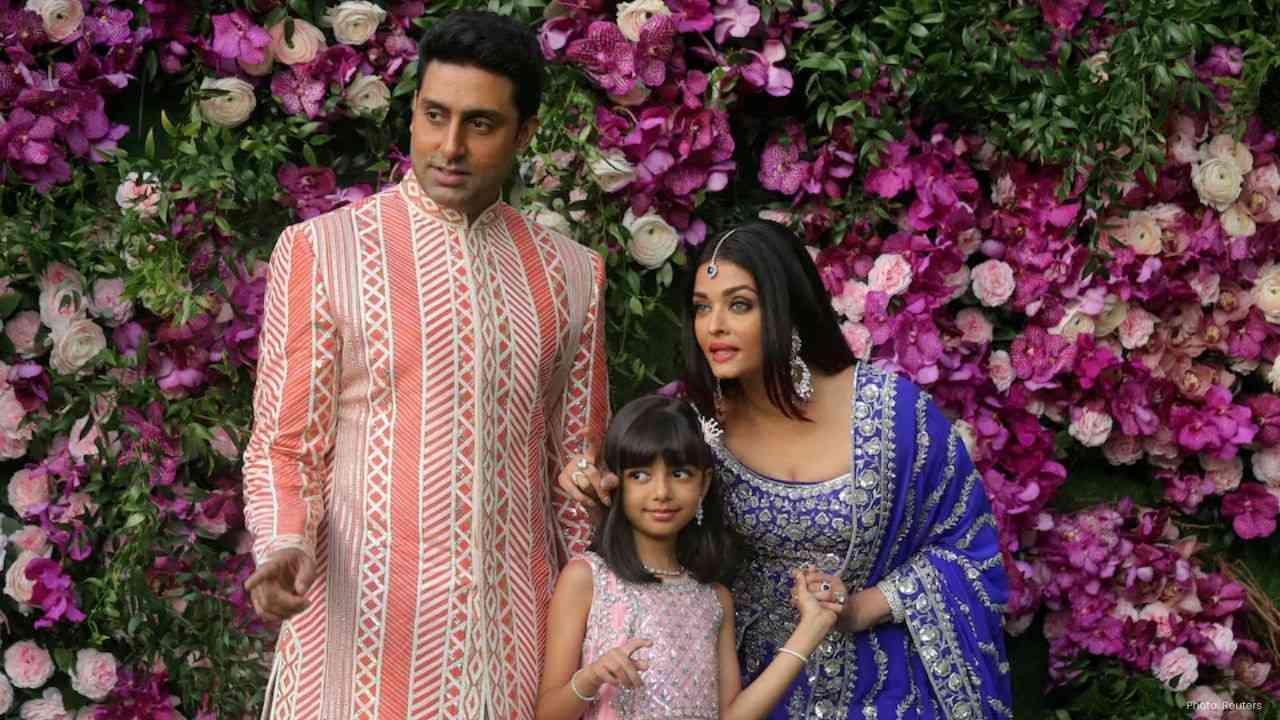
Bollywood stars Abhishek Bachchan and Aishwarya Rai Bachchan have gone to court in India to protect their voices, images, and personality rights in the era of artificial intelligence. The couple has filed a case against Google’s YouTube, arguing that the platform hosts and spreads AI-generated videos that misuse their identity. They have asked the judge to order YouTube to remove the content and prevent such videos from being used to train AI models.
Court Filings Raise AI Concerns
According to court papers reviewed by Reuters, the Bachchans are not only targeting existing infringing videos but also want safeguards against their content being used in AI training. They argue that YouTube’s policy, which lets creators allow their videos to train rival AI models, risks spreading misleading or false portrayals further online. The actors believe this could harm their reputation and intellectual property rights.
No Clear Law in India
India does not yet have a specific law protecting personality rights like some U.S. states do. However, in recent years, a few Bollywood stars have started approaching courts to safeguard their names, images, and voices. The Bachchans’ case is one of the most high-profile to date, especially because it focuses on deepfake and AI-generated content. Their legal team highlighted that once harmful content is uploaded, it can multiply if used for AI training.
YouTube’s Growing Role in India
With around 600 million users, YouTube is India’s largest video platform. Its country head recently described it as “the new TV for India.” Bollywood videos and celebrity content are among the most popular categories. The couple argues that YouTube has a responsibility to protect artists from harmful and misleading AI creations, especially given its influence in India.
Lawsuit Targets Google and Others
The Bachchans’ lawsuits span more than 1,500 pages. Apart from targeting YouTube videos, they also challenge smaller sellers who misuse their images on items like posters, mugs, stickers, and even fake autographs. They are demanding $450,000 in damages and a permanent injunction to stop such exploitation. The court has already ordered the removal of 518 links and posts that contained offensive or harmful material against the couple.
Examples of Misleading AI Content
Some of the AI-generated videos cited in the filings are bizarre and damaging. One clip shows Abhishek suddenly kissing an actress using AI manipulation. Another depicts Aishwarya and Salman Khan dining together while Abhishek fumes in the background. Yet another shows a crocodile chasing Abhishek with Khan trying to save him. These AI creations blur the line between reality and fiction, risking damage to the couple’s dignity and reputation.
Risk of AI in Bollywood
YouTube hosts channels that specialize in AI-generated Bollywood content. One such channel, “AI Bollywood Ishq,” has uploaded more than 250 videos with millions of views. These clips often show AI versions of Bollywood stars in love stories or dramatic scenes that never happened. The Bachchans argue that if AI platforms are trained on such biased or misleading content, false narratives could spread widely, harming public figures.
Legal Experts Weigh In
Law experts believe the case will be difficult to pursue directly against YouTube since the platform itself does not create the content. However, courts may pressure YouTube to tighten its rules or speed up takedowns for celebrities facing personality rights violations. One professor of intellectual property law in Delhi noted that while YouTube might not be directly liable, the court could push it to make changes in policy to protect public figures.
The issue highlights a bigger problem facing the entertainment industry worldwide. Generative AI can create convincing fake videos, images, and voices within minutes. For celebrities, the risk is not just about false stories but also about their likeness being misused for profit. YouTube has said creators themselves choose whether to allow their videos to train third-party AI models, but this leaves celebrities exposed when infringing content becomes popular.
The Delhi High Court has asked Google to submit a formal response, with the next hearing scheduled for January 15. Until then, the Bachchans’ legal fight marks an important moment in India’s debate over AI and personality rights. The outcome could influence how online platforms operate in the country and may shape future policies to protect artists in the age of artificial intelligence.


 English