Post by : Meena
Hassan
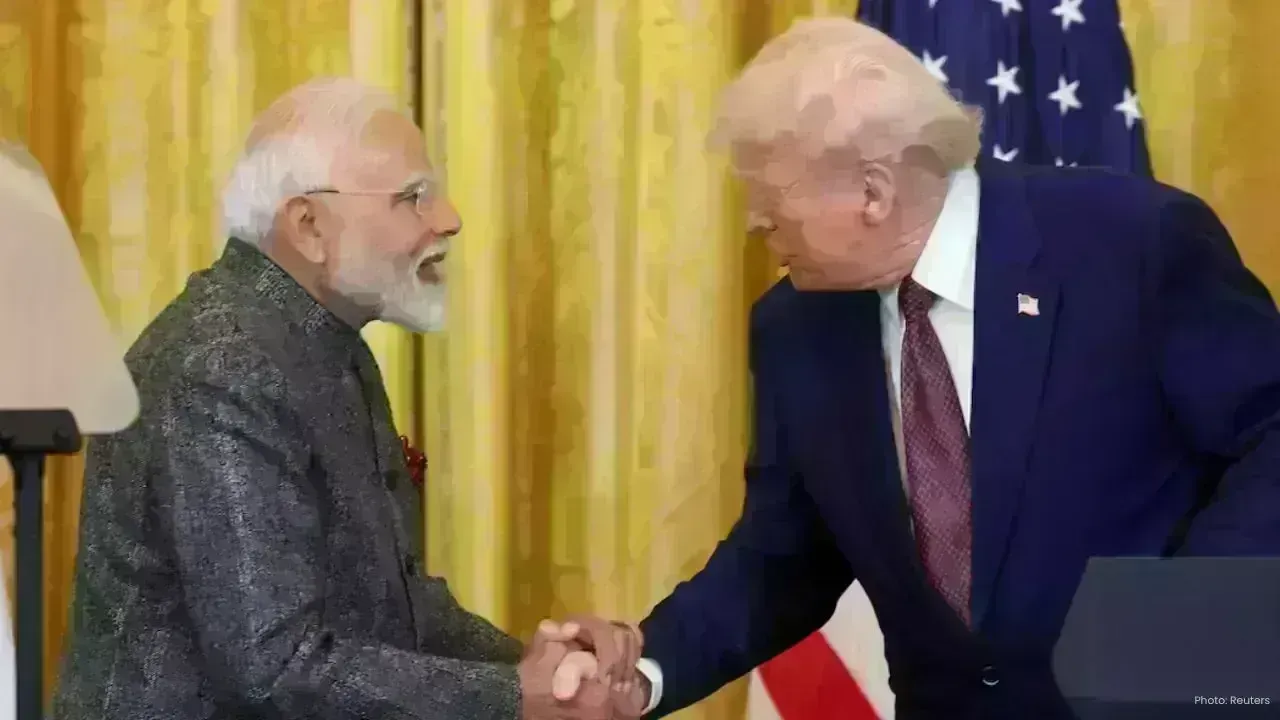
Following US President Donald Trump’s assertion of mediating peace during the recent India-Pakistan military conflict, China has now positioned itself as a crucial peace mediator. Chinese Foreign Minister Wang Yi stated that Beijing played a significant role in easing tensions, not only between India and Pakistan but also across various global conflicts this year.
During an international relations symposium in Beijing, Wang Yi emphasized the escalating local and cross-border tensions globally. He reinforced China’s dedication to peace, addressing both the immediate and underlying causes of these conflicts. “Our strategies have helped us mediate in sensitive areas, including the India-Pakistan situation, issues in northern Myanmar, the Iranian nuclear talks, Palestine-Israel disputes, and the recent Cambodia-Thailand border conflicts,” said Wang Yi.
In response, India has firmly rejected any claims of third-party mediation concerning its disputes with Pakistan. New Delhi asserts that the ceasefire, concluding the clashes from May 7-10, resulted from direct communications between the Director Generals of Military Operations (DGMOs) of both countries. The Indian Ministry of External Affairs confirmed that the truce was agreed upon through a May 10 phone call between the military chiefs, underscoring the absence of outside involvement.
China’s role has sparked considerable controversy, especially regarding its military support to Pakistan. Reports indicate that more than 81% of Pakistan’s military hardware originates from China. India has accused Beijing of employing the May operation as a strategic exercise, with senior military officials referencing ancient Chinese tactics aimed at indirectly compromising India by aiding Pakistan.
On the diplomatic front amidst the crisis, China urged restraint from both nations, expressing sorrow over India’s airstrikes while condemning acts of terrorism. This stance reflects Beijing’s intricate balancing act, maintaining close relations with Pakistan while fostering diplomacy with India.
Despite the prevailing tensions, China noted encouraging developments in its relationship with India. Wang Yi mentioned China’s invitation to Prime Minister Narendra Modi for the Shanghai Cooperation Organisation (SCO) summit, which facilitated fruitful discussions. He characterized China-India relations as exhibiting “positive momentum” with ongoing collaborative efforts to shape a shared future in the region.
Globally, Wang Yi also addressed the strained relations between China and the US. He criticized the unilateral tariffs levied by the US, which he argues disrupt international trade and global economic stability. Nevertheless, he highlighted the necessity for dialogue and cooperation between the two global powers, advocating for mutual respect and practical engagement to positively influence world history.


 English