Post by : Meena
Hassan
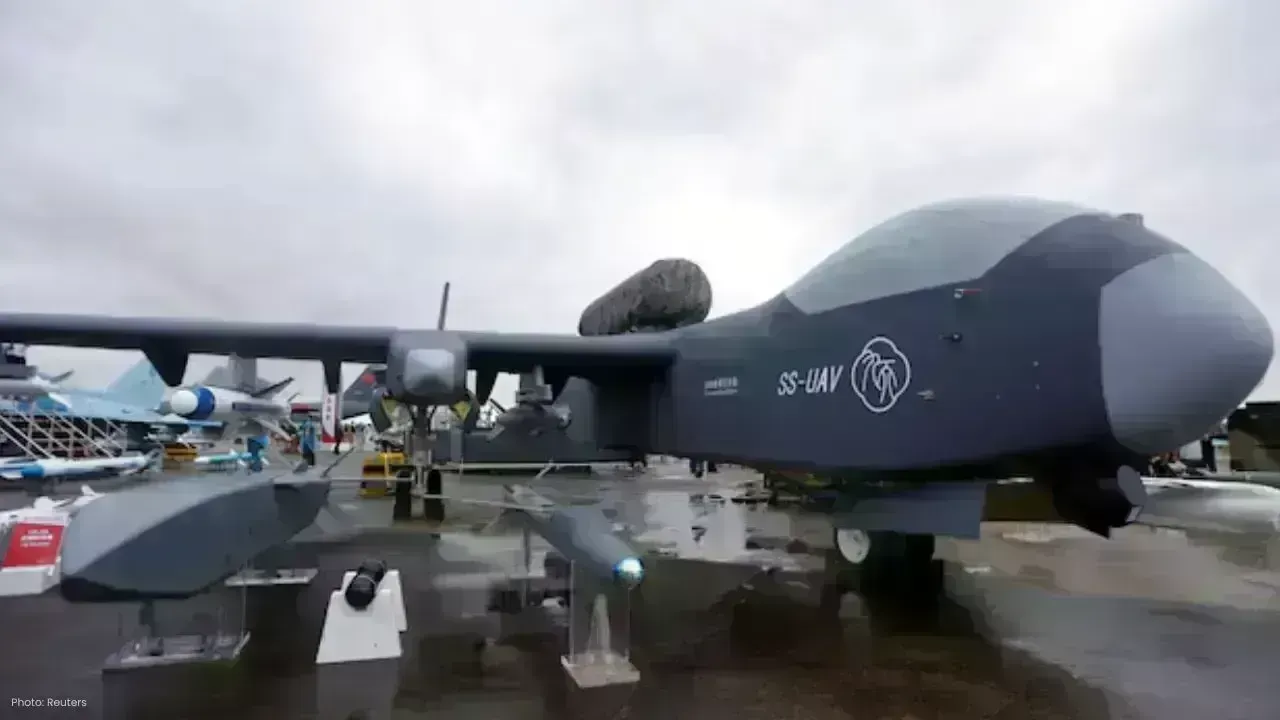
China has enacted a landmark update to its Civil Aviation Law, marking a historical moment as unmanned aerial vehicles, or drones, are now subject to formal regulation within the nation. This pivotal legislation received approval from the Standing Committee of the National People's Congress on December 27, heralding significant progress in overseeing China’s expanding drone sector and its burgeoning low-altitude economy.
The update introduces a comprehensive legal framework aimed at the production, utilization, and management of drones throughout China's extensive airspace. One of the key features of this law is the mandate for airworthiness certification for drones, a crucial regulatory element missing from previous statutes. This process ensures that all drones comply with rigorous safety and technical criteria before they are permitted to fly, thereby closing a vital safety loophole and mitigating risks of accidents or misuse.
China’s drone industry is growing at an unprecedented rate, with diverse applications including agriculture, logistics, emergency response, and city planning. By implementing unambiguous regulations, the government aspires to spur innovation and growth across these sectors while guaranteeing responsible and secure drone operations. The new law incentivizes manufacturers and operators to maintain high standards and strengthens the oversight functions of relevant aviation authorities.
Industry experts assert that the legislation will greatly enhance the management of low-altitude airspace, which has been increasingly congested due to the proliferation of drone usage. This regulation aims to diminish hazards linked to uncontrolled drone flights, such as potential collisions with manned aircraft, privacy breaches, and disruptions to critical infrastructure. The clarity that this law provides is expected to serve the interests of all involved parties—manufacturers, service providers, regulators, and the general populace.
Additionally, this legislation brings China in line with international aviation regulations and standards, establishing the nation as a key player in the global drone landscape. This alignment is particularly significant as drones become vital instruments in contemporary economies, facilitating activities such as disaster response, delivery services, and environmental monitoring.
In conclusion, the formal regulation of unmanned aircraft signifies a crucial advancement towards the safe and efficient integration of drones into the national airspace framework. This initiative is anticipated to foster sustainable development in the drone and low-altitude economy while prioritizing public safety and advancing innovations in aerial operations.


 English