Post by : Bianca
Haleem
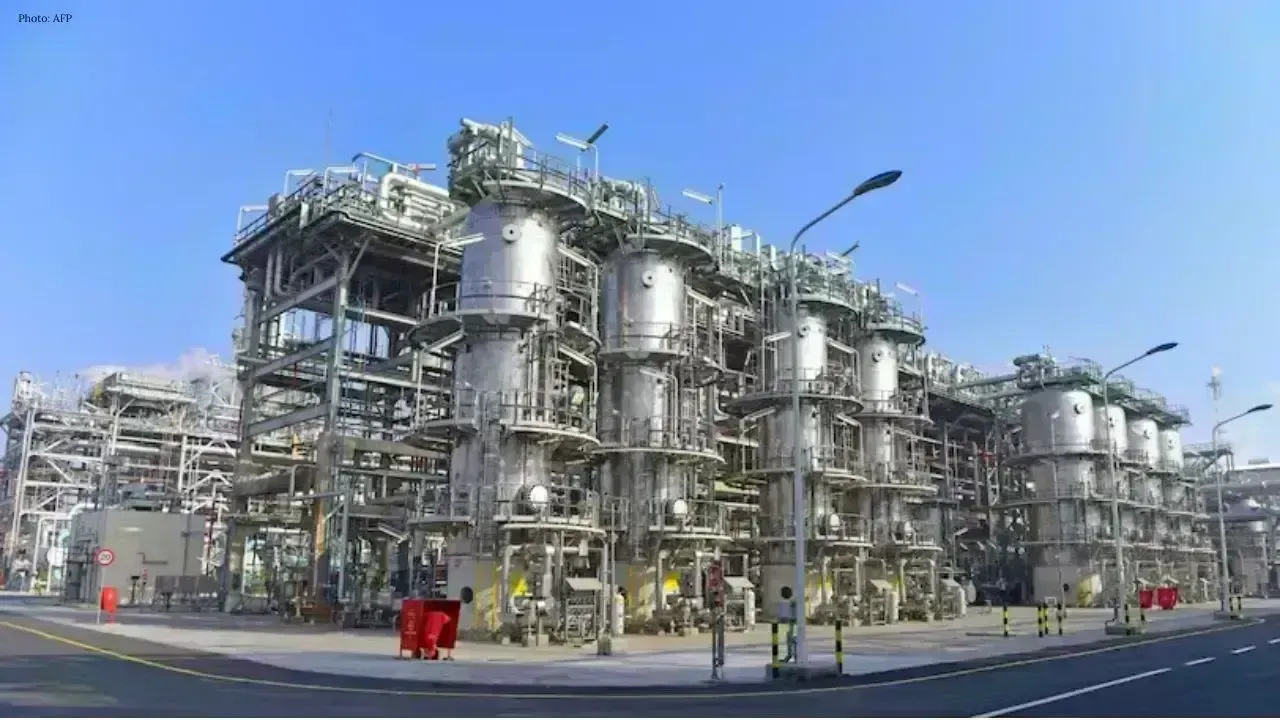
A drone attack targeted Kuwait’s major oil facility, the Mina al-Ahmadi Refinery, early Friday, triggering fires in several operational units and sending plumes of smoke into the sky. The incident has once again highlighted growing security concerns around critical energy infrastructure in the Gulf region, which remains highly sensitive amid ongoing geopolitical tensions.
According to Kuwait Petroleum Corporation, emergency response teams were immediately deployed to the site and managed to bring the fires under control within a short time. Firefighting units worked swiftly to prevent the flames from spreading to nearby facilities, ensuring that the situation did not escalate into a larger industrial disaster. Despite the seriousness of the attack, officials confirmed that no injuries or casualties were reported among workers or staff at the refinery.
Authorities have not yet identified who was behind the drone strike, and no group has claimed responsibility so far. Security agencies have launched a detailed investigation to trace the origin of the drones and assess whether the attack was part of a broader coordinated attempt to disrupt oil production in the region. Experts believe such incidents could be linked to rising instability and conflicts affecting several Middle Eastern countries.
The Mina al-Ahmadi Refinery is one of Kuwait’s largest and most strategically important oil processing facilities, handling a significant portion of the country’s crude output and exports. Any disruption to its operations, even temporary, can have ripple effects on global energy markets and oil prices. However, officials have reassured that refinery operations are being stabilized and production levels are expected to return to normal soon.
This latest incident adds to a series of attacks targeting energy infrastructure across the region in recent years, raising alarms among international stakeholders about the vulnerability of oil supply chains. Analysts warn that repeated disruptions could impact global fuel availability and increase volatility in already fluctuating energy markets.
Kuwaiti authorities have also indicated that security measures around key oil installations will be further strengthened in the wake of the attack. Surveillance systems, air defense mechanisms, and emergency preparedness protocols are expected to be upgraded to prevent similar incidents in the future and ensure uninterrupted energy production.


 English