Post by : Bianca
Haleem
Gulf nations have expressed strong disapproval of the recent US decision to implement travel bans against five European nationals, escalating tensions between the United States and its European allies.
This move, declared by the US State Department, targets individuals accused by the Trump administration of pressuring tech companies to suppress American perspectives online. The response from Gulf leaders has been swift, as they view this as an infringement on the regulatory autonomy of nations.
The European Commission has taken official steps to seek clarification from Washington, stating it would respond accordingly to any perceived unjust actions against European representatives.
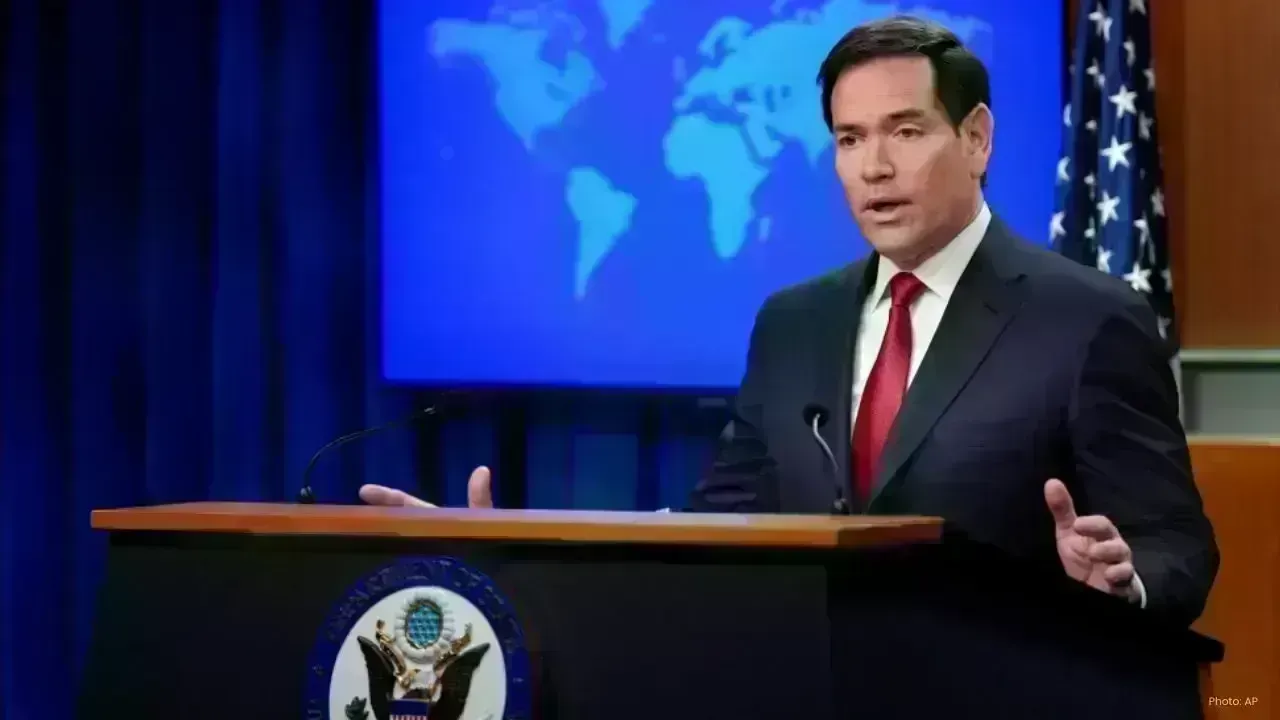
Defending the bans, US Secretary of State Marco Rubio labelled the five barred individuals as "radical" activists linked with "weaponized" NGOs, claiming that they seek to coerce US platforms into silencing dissenting views.
One bans target Thierry Breton, a notable former European commissioner and business figure, who has previously challenged tech leaders on content moderation practices in light of political sensitivities.
French President Emmanuel Macron emphasized his support for Breton, asserting that France stands united with its European counterparts. Through a message posted on social media, Macron reinforced that EU digital regulations are shaped democratically and aim to protect its constituents from undue external influence.
Germany's Foreign Minister also condemned the bans, especially those affecting leaders within German organizations. He pledged that Berlin would address these issues with Washington to safeguard transatlantic relations.
Other European figures affected include Imran Ahmed, Josephine Ballon, Anna-Lena von Hodenberg, and Clare Melford, each prominent in their fields related to digital governance and free speech.
EU Council President António Costa stated that such restrictions between allies are unacceptable and reiterated the EU's commitment to uphold expressive freedoms and set its own market regulations.
The UK government echoed similar sentiments, affirming its support for efforts ensuring the internet remains free from harmful content, despite recognizing the sovereign right to determine visa policies.
These travel bans follow a new visa policy enacted in May that penalizes foreign nationals allegedly complicit in censoring free speech protected by US law. Rubio noted that these individuals contribute to foreign government censorship efforts that pose threats to both American citizens and businesses.
European officials contest this portrayal, with Breton asserting that the Digital Services Act was a collective decision by all EU member states aimed at fostering responsible discourse. He chastised US critics by stating, "Censorship isn’t where you think it is."
This situation highlights the rising tensions regarding online speech regulation, signaling a new front in an ongoing dialogue between Washington and Europe.


 English