Post by : Meena
Hassan
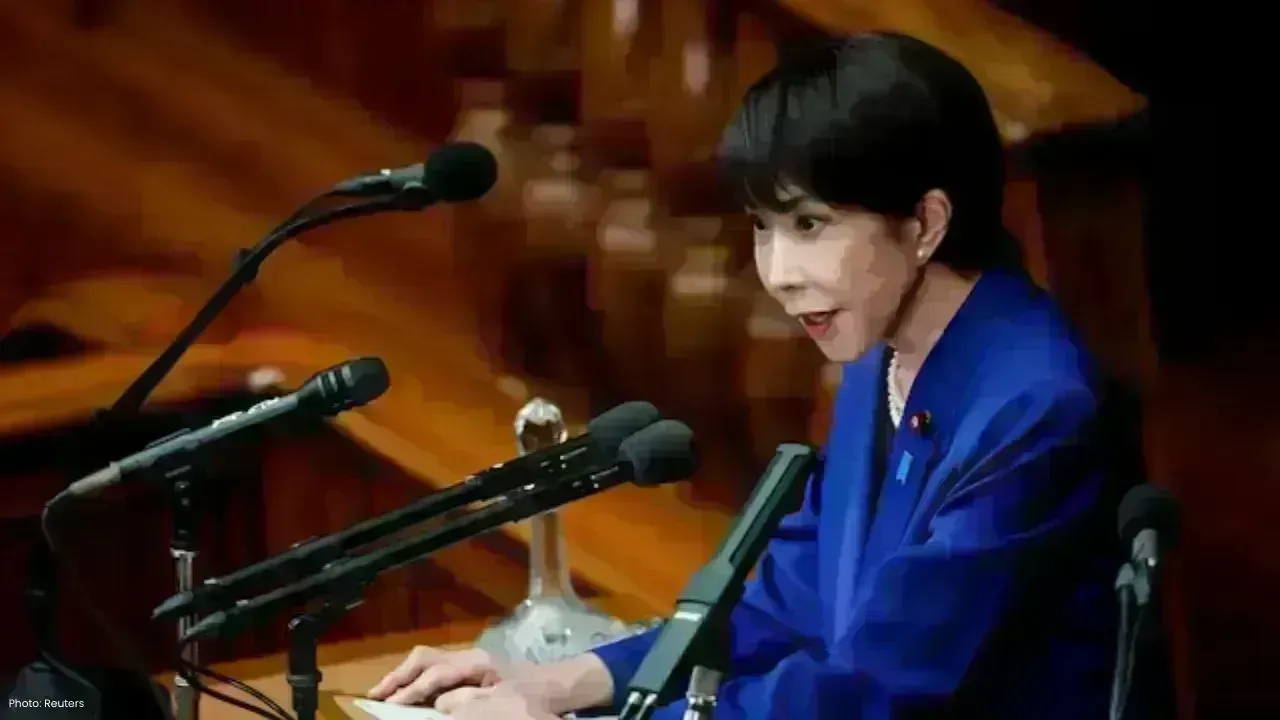
Japan is on the threshold of a pivotal political moment as Prime Minister Sanae Takaichi announces her plan to dissolve the lower house of parliament right at the beginning of its regular session. This audacious decision is aimed at pursuing a renewed public mandate by initiating an early general election that could dramatically alter the country's political narrative.
Sources within the political sphere reveal that PM Takaichi has briefed senior ruling party officials regarding her intention to dissolve the lower chamber as parliament reconvenes on January 23. Should this strategy come to fruition, Japan may witness a snap election as early as February, likely between February 8 and February 15. Such a rapid electoral process is uncommon, and historically reflects a government's confidence in its public backing.
The possibility of an early election has sparked fervent discussions among political factions and media outlets alike. Analysts speculate that PM Takaichi's call for a snap poll at this juncture is designed to leverage favorable political conditions, consolidating her authority and advocating key policies under a renewed electoral mandate.
This upcoming election is expected to highlight urgent national concerns, including Japan's recovery following the pandemic, security issues amidst escalating geopolitical tensions, and essential domestic social policies. Takaichi's strategic decision also underscores an intent to uphold political stability while addressing both internal and external challenges.
In anticipation of this accelerated election timeline, the ruling party is preparing for a vigorous campaign, while the opposition is bracing for tough contests. This fast-evolving political landscape may foster increased public interest and scrutiny, as citizens closely observe how parties tackle pressing issues that will shape the nation’s future.
If the dissolution occurs as planned, it will activate a constitutional mandate requiring the lower house to dissolve within a specified timeframe, resulting in national elections. This election will serve as a significant test for PM Takaichi's administration and a crucial juncture for Japanese democracy.
Japan finds itself at a crucial political juncture as Prime Minister Takaichi’s intentions to dissolve the lower house signal the potential for an imminent general election. The results of this election will critically shape Japan's domestic policy routes and its positioning on the global stage in the years to come.


 English