Post by : Shakul
Kuwait has once again found itself at the center of growing regional security concerns after its military announced the interception of 24 Iranian unmanned aerial vehicles (UAVs) during a fresh wave of attacks. The latest incidents come amid heightened tensions across the Gulf region, where several countries have reported increased aerial threats targeting strategic locations and national infrastructure.
According to figures released by Kuwait’s Army General Staff Headquarters and carried by the state news agency KUNA, the interceptions took place over the past 48 hours. Military officials confirmed that the country's air defense systems successfully neutralized the incoming drones before they could reach their intended targets, preventing any reported casualties or major damage.
How Extensive Have the Recent Attacks Been?
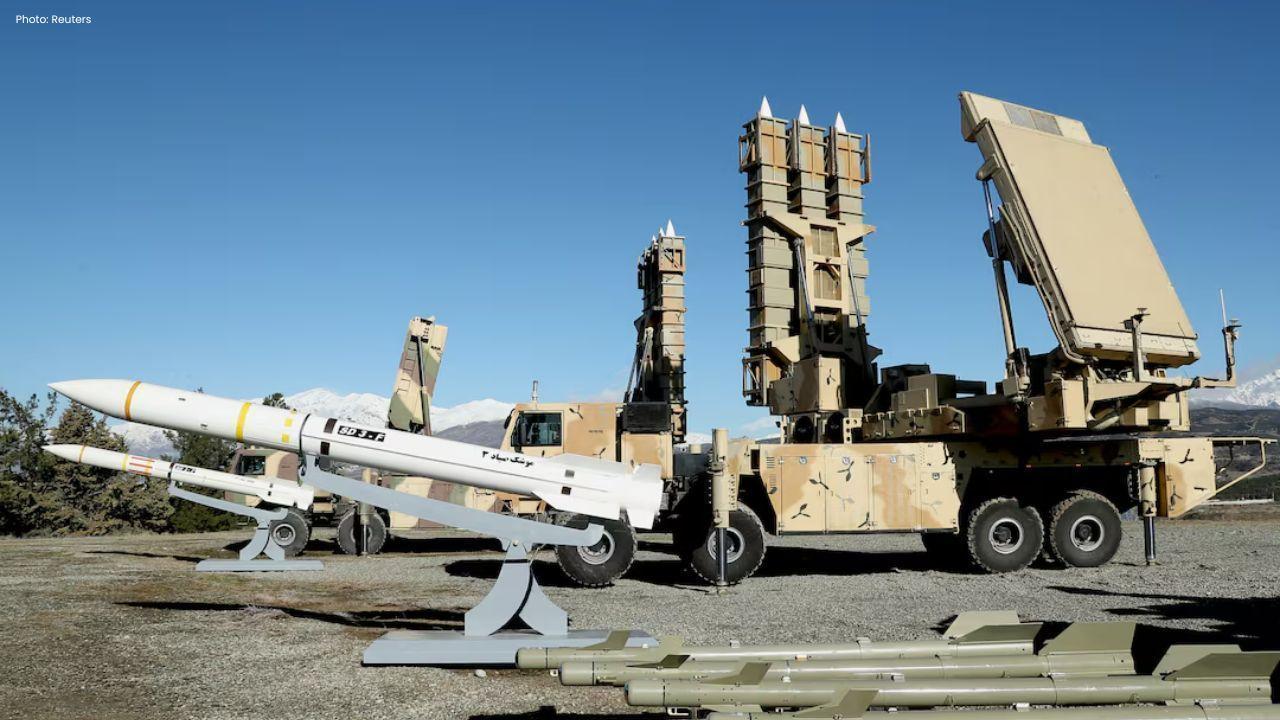
The latest drone interceptions are part of a much larger pattern of attacks that Kuwait says it has faced in recent weeks. Military authorities revealed that since the beginning of what they described as Iranian aggression, Kuwait’s air defense network has intercepted and destroyed 379 ballistic missiles, 893 drones, and 15 cruise missiles.
These figures highlight the scale of the security challenge facing the country and demonstrate the critical role played by advanced defense systems in protecting national airspace. Defense analysts believe that the increasing use of drones and missile technology in regional conflicts is changing the nature of modern warfare, requiring countries to constantly strengthen their surveillance and interception capabilities.
Protecting National Infrastructure and Civilian Areas
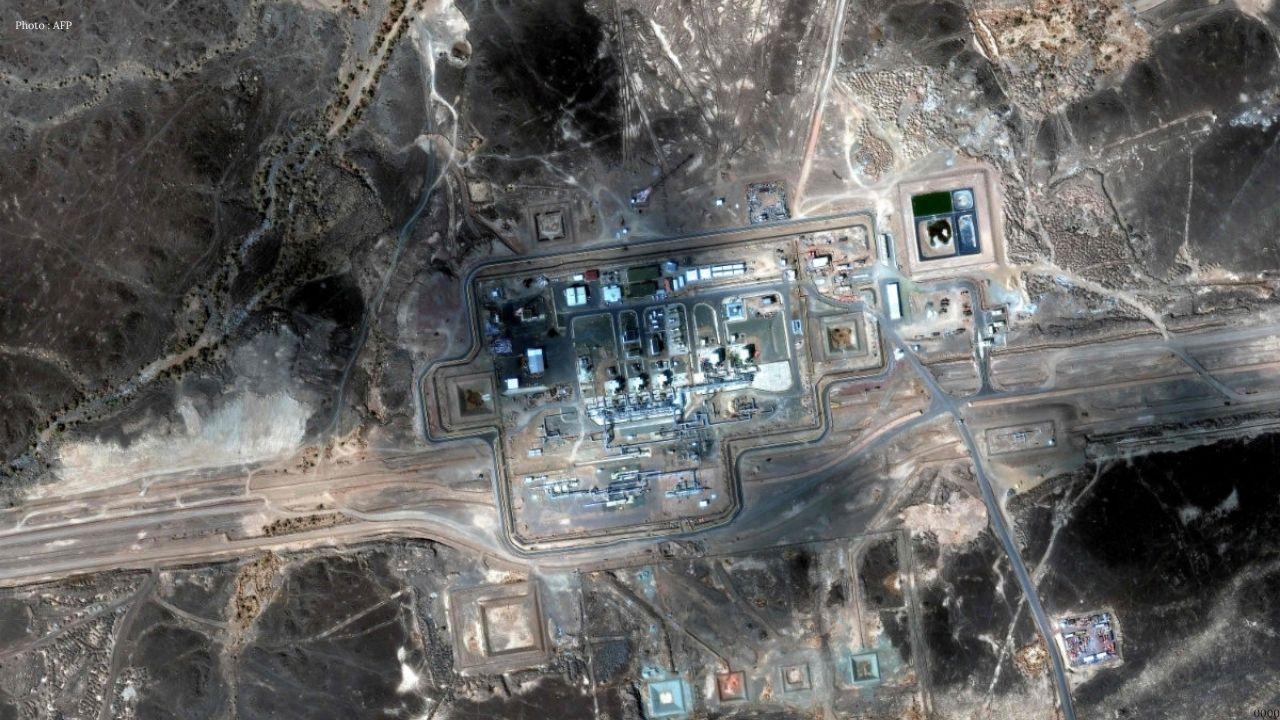
Kuwaiti officials stressed that safeguarding civilian populations and strategic infrastructure remains a top priority. Vital facilities including energy installations, transportation hubs, communication networks and public service centers remain under heightened security monitoring as authorities seek to minimize risks from future attacks.
The government emphasized that protecting these critical assets is essential not only for national security but also for maintaining economic stability and public confidence. Any disruption to these sectors could have significant consequences for both Kuwait and the wider Gulf region.
Airspace Operations Return to Normal
Despite the security threats, Kuwait has moved quickly to restore normal operations across its transportation network. The Directorate General of Civil Aviation announced that air traffic has resumed following a temporary precautionary closure of the country's airspace earlier in the day.
Officials confirmed that Kuwait International Airport is operating according to approved schedules and that authorities continue to coordinate closely with regional and international aviation bodies. The decision reflects confidence in the country's security measures while ensuring minimal disruption to travelers and commercial activities.
Regional Support and International Reactions
The latest developments have drawn strong reactions from neighboring Gulf nations. Several countries, including the UAE, Saudi Arabia, Bahrain and Qatar, have reiterated their support for Kuwait and condemned attacks targeting civilian areas and sovereign territories.
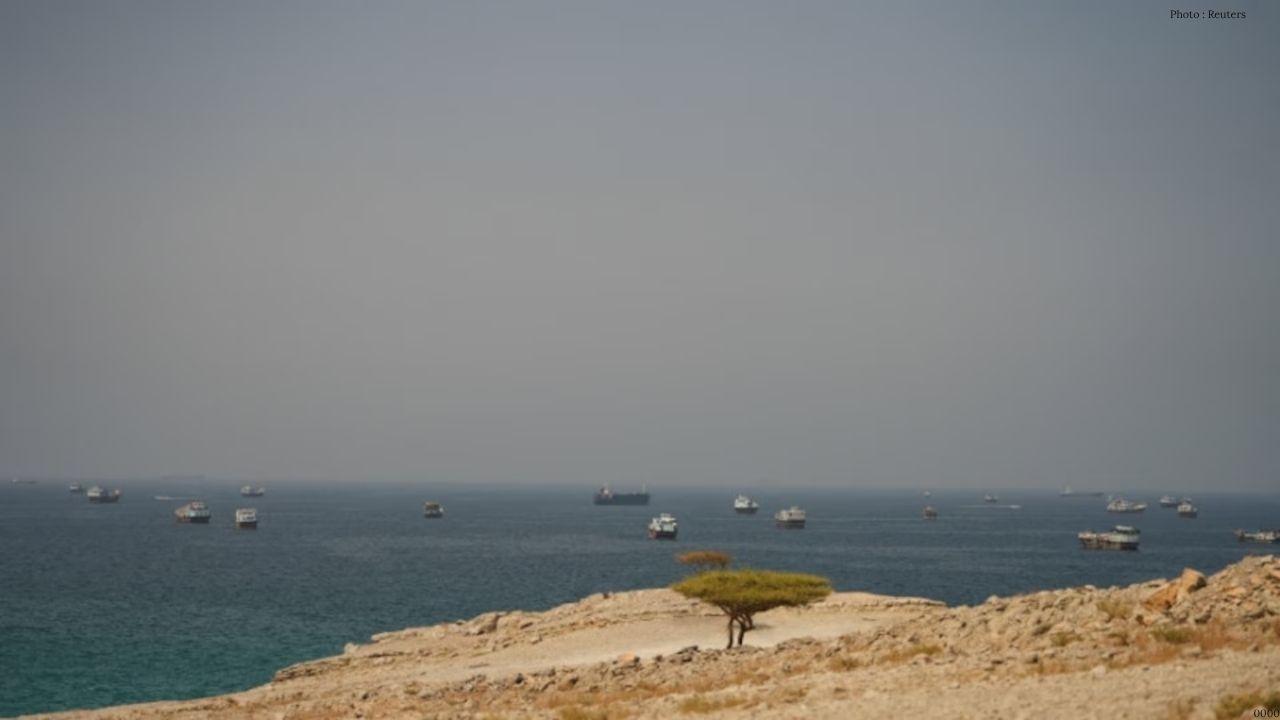
Regional leaders have called for de-escalation and renewed diplomatic efforts to prevent further instability. Security experts warn that continued attacks on Gulf nations could impact international shipping routes, energy supplies and broader economic interests across the Middle East.
What Does This Mean for Gulf Security?
The repeated use of drones and missiles against Gulf states has reinforced concerns about the region’s long-term security environment. Experts believe that countries across the Gulf Cooperation Council will continue investing heavily in integrated defense systems, intelligence sharing and joint security initiatives to address emerging threats.
As tensions remain high, Kuwait’s successful interception of the latest wave of drones demonstrates the importance of preparedness and regional cooperation. While authorities have prevented casualties and major damage so far, the situation continues to underscore the fragile security balance across the Gulf.
Looking Ahead
Kuwaiti officials have pledged to maintain the highest levels of military readiness while continuing to monitor developments around the clock. The government has assured citizens and residents that all necessary measures are being taken to protect national security and preserve stability.
With regional tensions still evolving, Kuwait remains focused on strengthening its defenses, safeguarding critical infrastructure and working with international partners to ensure peace and security across the Gulf.
Read More :-
Regional Tensions
Air Traffic Operations
Strait of Hormuz Security


 English