Post by : Mariam
Al-Faris
Photo: AFP
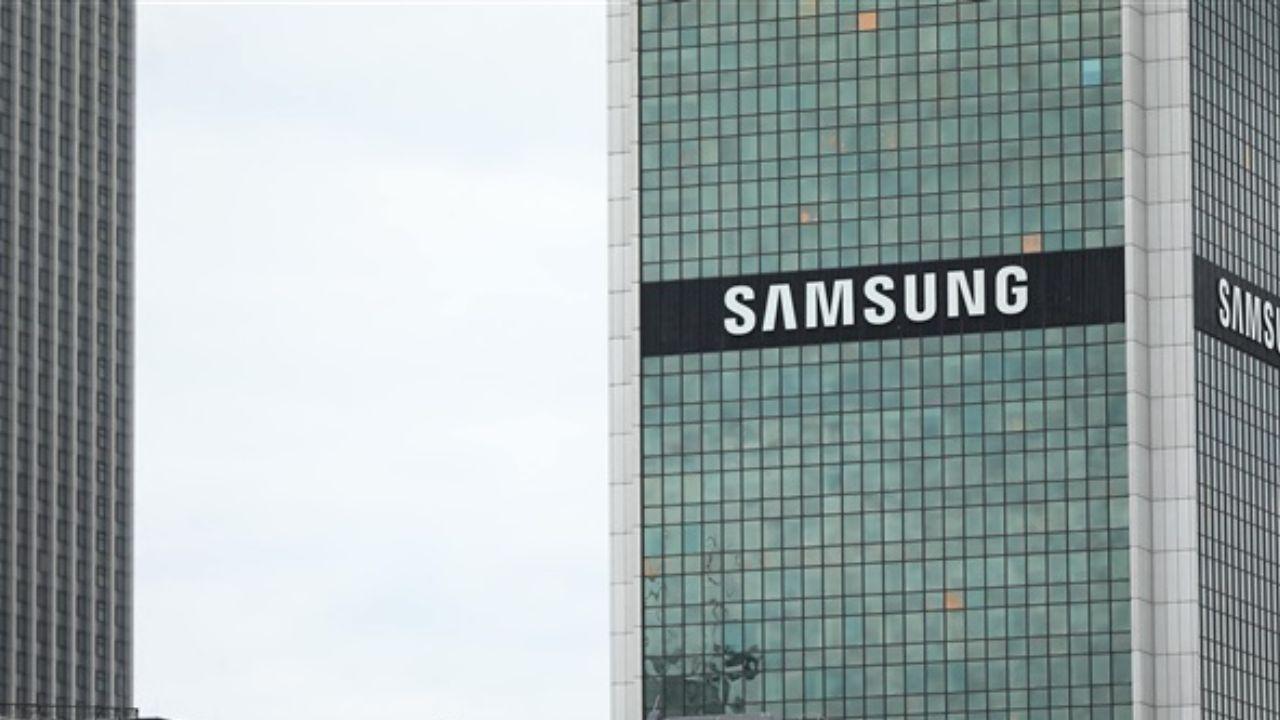
South Korea’s biggest technology company, Samsung Electronics, announced on Tuesday that it expects its second-quarter operating profit for 2025 to fall sharply—by more than 56% compared to the same period last year. This dramatic drop is mainly the result of tough export rules and tariff threats coming from the United States government, which are impacting Samsung’s ability to do business with some of its most important markets, particularly China.
The company said it estimates its operating profit for the April to June period will be around 4.6 trillion Korean won, which is approximately $3.4 billion USD. That’s a significant decline from the 10.44 trillion won Samsung earned in the same quarter in 2024.
These figures, while only preliminary, are much lower than what financial analysts were expecting. According to a survey conducted by the South Korean news agency Yonhap, Samsung’s projected profit came in about 23% below analysts’ average forecasts, raising concerns across the global tech and investor communities.
Export Restrictions on AI Chips to China Are a Major Blow
Samsung said that one of the biggest factors behind this sharp drop in profit is the export restrictions placed by the United States government, especially those related to the export of artificial intelligence (AI) chips and other advanced semiconductor technologies to China.
The U.S. has been tightening its rules to limit the sale of high-end chips to China, claiming that such technologies could be used for military or surveillance purposes. However, these rules don’t just affect American companies. Foreign firms like Samsung are also impacted if their products include even a small amount of U.S.-made technology or components.
This is particularly damaging to Samsung because China is one of its largest markets, especially for memory chips, AI hardware, and mobile components. Without access to this massive customer base, Samsung’s revenue from exports has taken a serious hit.
In addition to the AI chip restrictions, Samsung is also facing issues related to inventory management. Industry insiders suggest that the company had to scale back on production and shipments after overstocking in previous quarters. This step was necessary to adjust to weaker demand, but it has also contributed to the company’s reduced profit margins.
U.S. Tariff Threats Add More Uncertainty
On top of the export restrictions, Samsung is also under pressure from the threat of new tariffs from U.S. President Donald Trump. Trump, who has taken a firm stance on trade during his administration, has threatened to impose tariffs of up to 40% on imports from more than a dozen countries—including South Korea.
Although the tariffs have not been implemented yet, the threat alone is enough to create an atmosphere of uncertainty for businesses like Samsung. If these duties come into effect, it could raise the cost of selling Samsung products in the U.S. and reduce overall competitiveness in one of the world’s biggest consumer markets.
For a company that operates on a global scale, dealing with unstable trade policies adds a layer of complexity and risk to business planning. Executives and economists alike are now watching closely to see how Samsung—and the broader South Korean tech industry—will respond to these growing challenges.
Not Final Yet—Official Earnings Coming Soon
It’s important to remember that Samsung’s profit numbers released on Tuesday are still just estimates. These are called “earnings guidance,” where companies give early projections to help investors prepare.
The final and official earnings report will be published later in July 2025, which will include detailed information on revenues, operating costs, business unit performance, and net income. Until then, these early numbers give us a snapshot of what to expect—and it doesn’t look very encouraging.
What’s Going on in the Tech World?
Samsung’s gloomy forecast is not just about one company’s performance—it’s a reflection of wider global issues in the technology and trade industries.
The ongoing tensions between the United States and China over technology leadership are at the heart of the problem. Over the past few years, the U.S. has taken steps to limit China’s access to advanced chips, especially those used for AI, supercomputing, and military purposes. These actions are part of a broader effort by Washington to slow down China’s growth in key technology sectors.
Unfortunately, this trade war has spillover effects. Global companies like Samsung, which build products using parts and software from many different countries, often find themselves stuck in the middle. If a chip contains even a small portion of U.S. technology, it may be blocked from being sold to Chinese buyers.
As a result, companies are being forced to rethink their supply chains, limit certain exports, and, in some cases, even move production facilities to different regions to comply with shifting regulations.
How Is Samsung Responding?
Samsung has not yet made any public announcements about major changes in its business strategy, but industry watchers say the company may need to adapt quickly to protect its long-term future.
Some possible steps include
-
Expanding business in other regions, such as Southeast Asia, India, and the Middle East.
-
Investing in new kinds of chips or technologies that are not restricted by U.S. laws.
-
Building or partnering with non-U.S. suppliers to avoid the impact of American export bans.
-
Ramping up local production in foreign markets to reduce the need for exports and avoid tariffs.
Whatever steps Samsung chooses, one thing is clear—the company will have to be more agile than ever before.
What Does This Mean for the Tech Industry?
Samsung’s forecast serves as a wake-up call for the global tech industry. As geopolitical tensions rise and trade restrictions become more common, even the biggest and most successful companies are being forced to recalculate risks.
Other chipmakers and tech giants may soon face similar issues, especially if the U.S. tightens its export controls further or other countries begin to retaliate with their own trade barriers.
For consumers, this could mean slower product launches, higher prices, or delays in getting new technologies. For investors, it’s a reminder that political decisions can have a real and immediate impact on company performance.
Looking Ahead
The next few months will be crucial for Samsung as it navigates through this storm. Once the company releases its full earnings report later in July, we’ll have a clearer understanding of how bad the situation really is—and how Samsung plans to fight back.
Until then, the early numbers are a strong signal that international politics, technological innovation, and business economics are becoming more tightly linked than ever before.


 English