Post by : Bianca
Haleem
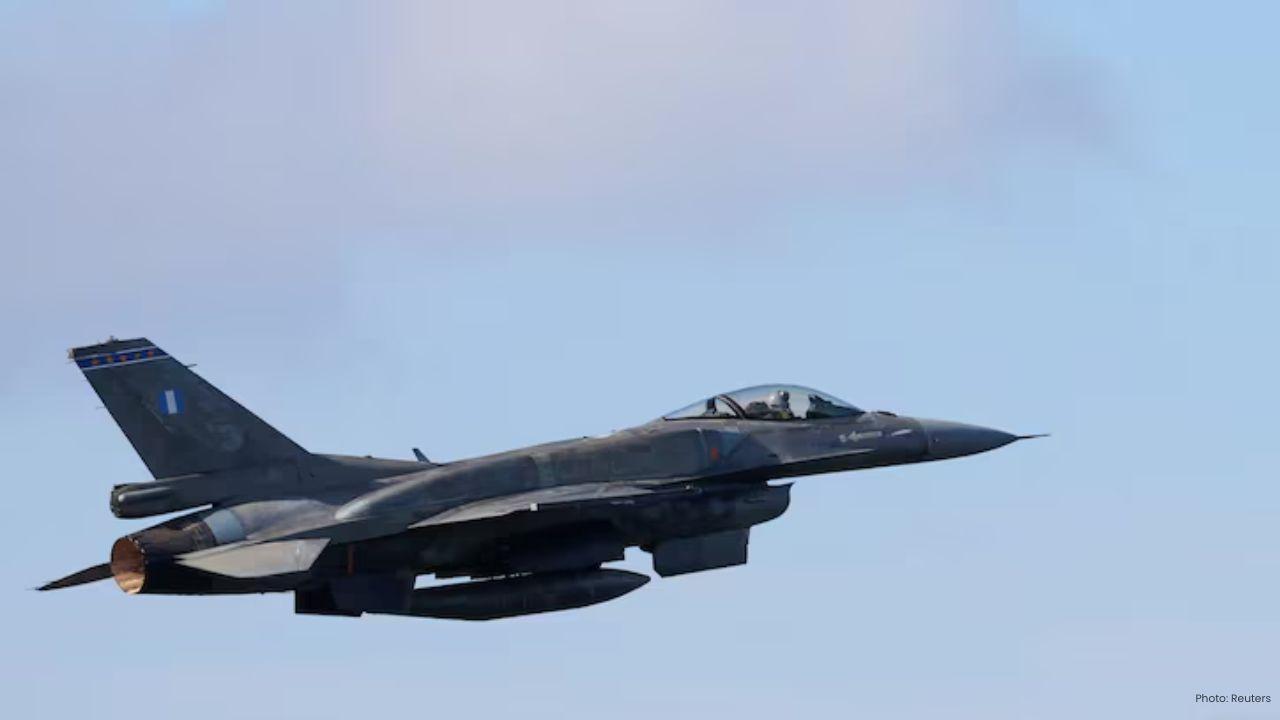
Ukraine’s air defence capabilities faced a critical setback late last year when its fleet of F-16 fighter jets ran dangerously low on missiles for several weeks, leaving pilots struggling to counter Russian drone and missile attacks during a major winter offensive.
According to three sources familiar with the situation, Ukraine’s stock of air-to-air missiles dried up between late November and mid-December, just as Russia intensified its aerial assault on the country’s energy infrastructure. During this period, the fighter jets reportedly had only a handful of U.S.-made AIM-9 Sidewinder missiles available for their entire squadron.
The temporary shortage highlighted Kyiv’s continued dependence on Western partners for air defence systems and ammunition. Since the war began, Ukraine has repeatedly warned about the risk posed by limited weapons supplies, but specific details about shortages affecting frontline capabilities are rarely disclosed.
One source said that during the peak of the shortage, Ukrainian F-16 pilots had virtually nothing to arm their aircraft with for nearly a month. The sources, who requested anonymity due to the sensitivity of military information, said the problem emerged just as Moscow was preparing one of its most aggressive winter air campaigns.
Throughout the conflict, Russia has launched large waves of drones and missiles targeting Ukraine’s power plants and energy distribution network. These strikes have repeatedly left millions of civilians without electricity, heating, or running water during harsh winter conditions.
During the missile shortage, Ukrainian pilots attempted alternative tactics to counter incoming threats. One source said pilots flew daytime sorties and tried to shoot down drones using rotary cannons mounted on the F-16s. However, such missions were considered too risky at night, when most Russian drone attacks typically occur.
In some cases, crews also attempted to reuse missiles that had previously failed to launch during earlier missions, hoping maintenance checks would make them operational again. According to one of the sources, a few of these attempts were successful.
Ukraine’s F-16 pilots have primarily relied on older versions of the AIM-9 Sidewinder missile, particularly the Lima and Mike variants produced in the 1970s and 1980s. Despite their age, these missiles have proven effective for intercepting drones and cruise missiles at relatively low cost.
The shortage was eventually resolved in December when Ukraine received additional Sidewinder missiles from partner countries. The sources declined to name the nations involved, citing security concerns, but said the delivery arrived shortly before Russia launched another major aerial assault.
While the exact impact of the temporary shortage remains unclear, one source said it did not coincide with the largest Russian attacks of the winter.
A fourth source confirmed that NATO members Germany and Canada had supplied Sidewinder missiles to Ukraine in recent months and acknowledged there had been a brief drop in available stocks. However, the reasons behind the disruption were not disclosed.
Officials in Germany declined to comment on specific weapons deliveries for security reasons. Berlin has been among Kyiv’s most significant military and financial supporters since Russia’s invasion in 2022.
Canada’s Department of National Defence confirmed that Ottawa is donating additional AIM-9M-8 missiles from its military reserves. The department said the new shipment will complement hundreds of Canadian-supplied AIM missiles and components already in use by Ukraine’s air defence forces.
The United States has also introduced a new framework for supplying weapons to Ukraine under President Donald Trump’s administration. Known as the Prioritised Ukraine Requirements List (PURL), the system allows the U.S. to sell weapons to NATO allies, who then deliver them to Ukraine.
A NATO official said the program has become a crucial channel for maintaining Ukraine’s air defence capacity. Since last summer, it has supplied roughly 75 percent of the missiles used by Ukraine’s Patriot air defence systems and around 90 percent of ammunition for other air defence platforms.
Despite these efforts, Ukraine continues to face difficulties securing enough missiles for its extensive defence network. Russia regularly launches hundreds of drones and missiles in a single attack, forcing Ukraine to rely on a combination of air defence systems, electronic warfare, interceptor drones, and fighter aircraft to defend its skies.
Ukrainian President Volodymyr Zelenskyy warned earlier this year that ammunition shortages remain a serious concern, particularly for the U.S.-made Patriot system used to intercept Russia’s Iskander ballistic missiles.
The F-16 fighter jets, delivered by European allies in 2024, have become a key component of Ukraine’s air defence strategy. According to one source, the aircraft have already intercepted about 2,000 drones and missiles during defensive missions.
The exact number of F-16s currently operating in Ukraine has not been publicly disclosed. However, one source indicated that the fleet consists of several dozen aircraft.
The jets can carry both AIM-9 Sidewinder missiles and the more advanced AIM-120 air-to-air missile. The latter, manufactured by Raytheon, costs more than one million dollars per unit, making it less practical for routine use against relatively cheap attack drones.
AIM-120 missiles are also used in NASAMS air defence systems supplied by Norway, meaning operations of those systems were reportedly limited during the supply shortage.
One source also noted that Ukraine experienced a lack of U.S.-made RIM-7 missiles, which have been adapted for use in modified Soviet-era air defence systems since the early stages of the war.
Norway’s defence ministry said it had delivered a substantial number of interceptors for NASAMS earlier this winter to ensure the system could continue protecting Ukrainian cities from Russian air strikes.
With the war showing no clear sign of ending, Ukraine’s need for a steady flow of Western weapons is expected to remain a central challenge for Kyiv and its allies in the months ahead.


 English