Post by : Saif
Al-Najjar
The political turmoil in Yemen has escalated as the nation’s anti-Houthi leadership has ousted a significant separatist figure. This decision exposes the internal divisions within the governing body overseeing regions free from Houthi control, raising alarms about the stability of this war-torn country.
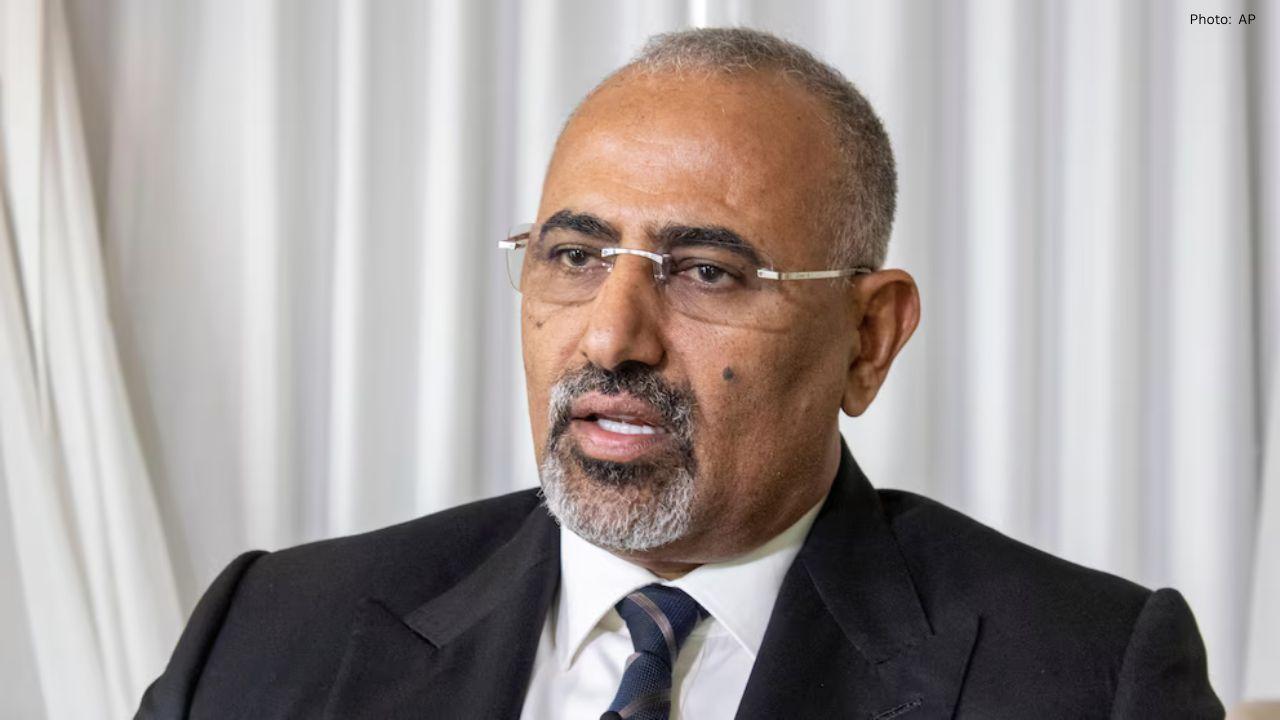
This recent development was confirmed by Yemen's Presidential Leadership Council, which aims to consolidate various forces against the Houthis. Officials claimed that the expelled leader had acted unilaterally on military matters, undermining the collective strength of allied factions. They accused him of challenging the central leadership, especially critical at a moment when unity is essential.
The ousted leader was at the helm of the Southern Transitional Council, which governs significant areas in southern Yemen and seeks the region's independence. Despite its opposition to the Houthis, the council has consistently clashed with the government over Yemen's future trajectory. These differing ambitions have led to ongoing tensions among allies.
Political analysts assert that this move reveals the precarious nature of Yemen’s anti-Houthi coalition. While they all share common opposition to the Houthis, unresolved issues concerning governance, territory, and authority hinder any meaningful progress. Additionally, the regional dynamics, with Saudi Arabia favoring a unified Yemen and the UAE supporting southern factions, further complicate the situation.
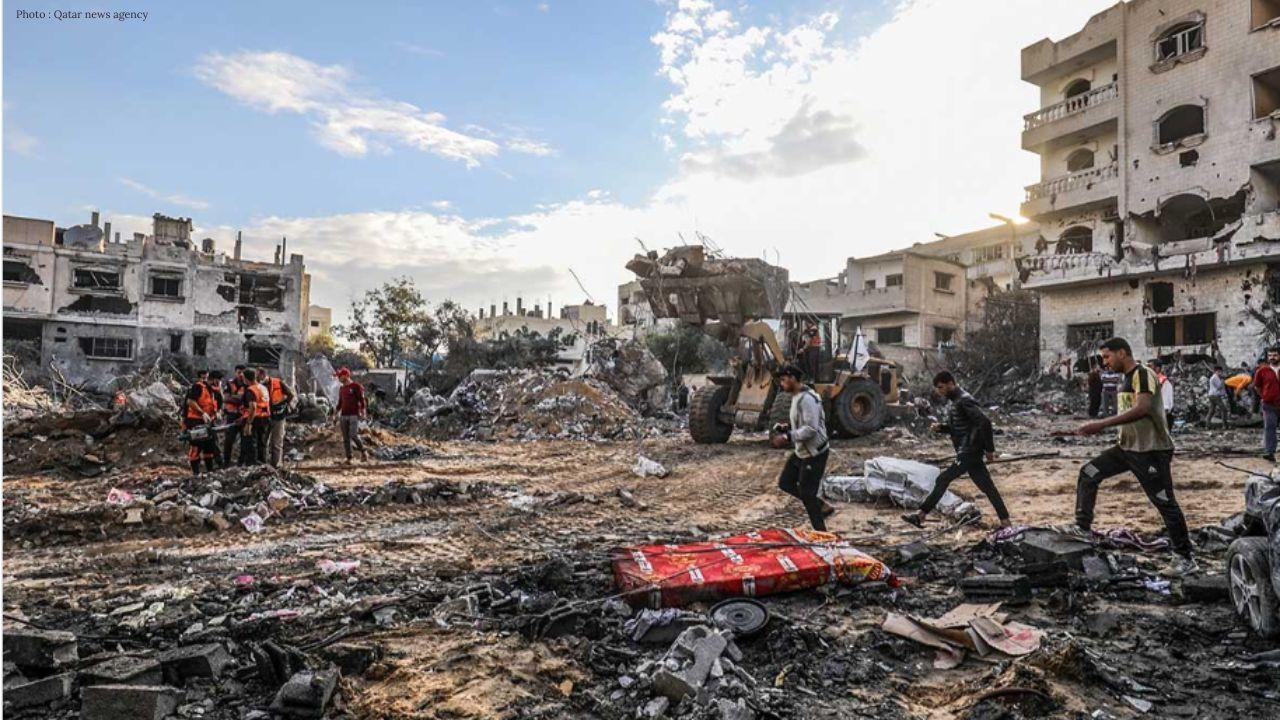
This latest action may undermine efforts to broker a peace deal, as the civil war stretches beyond a decade, resulting in significant loss of life and widespread humanitarian distress. Aid organizations caution that political disputes detract from the pressing humanitarian crises, including severe food shortages, healthcare deterioration, and the absence of basic services.
Experts warn that these internal conflicts could inadvertently aid the Houthis, who maintain strong control over extensive areas in the north, including the capital, Sanaa. A fracture among anti-Houthi entities may lessen pressure on the rebels and prolong the violence.
For many Yemenis, the situation brings heightened uncertainty. Citizens express frustration over the ongoing power struggles, urging leaders to prioritize peace, recovery, and the basic needs of daily life instead of engaging in political conflicts. Without cooperation and trust among leaders, the prospect of stability and recovery remains bleak.


 English