Post by : Anis
Al-Rashid
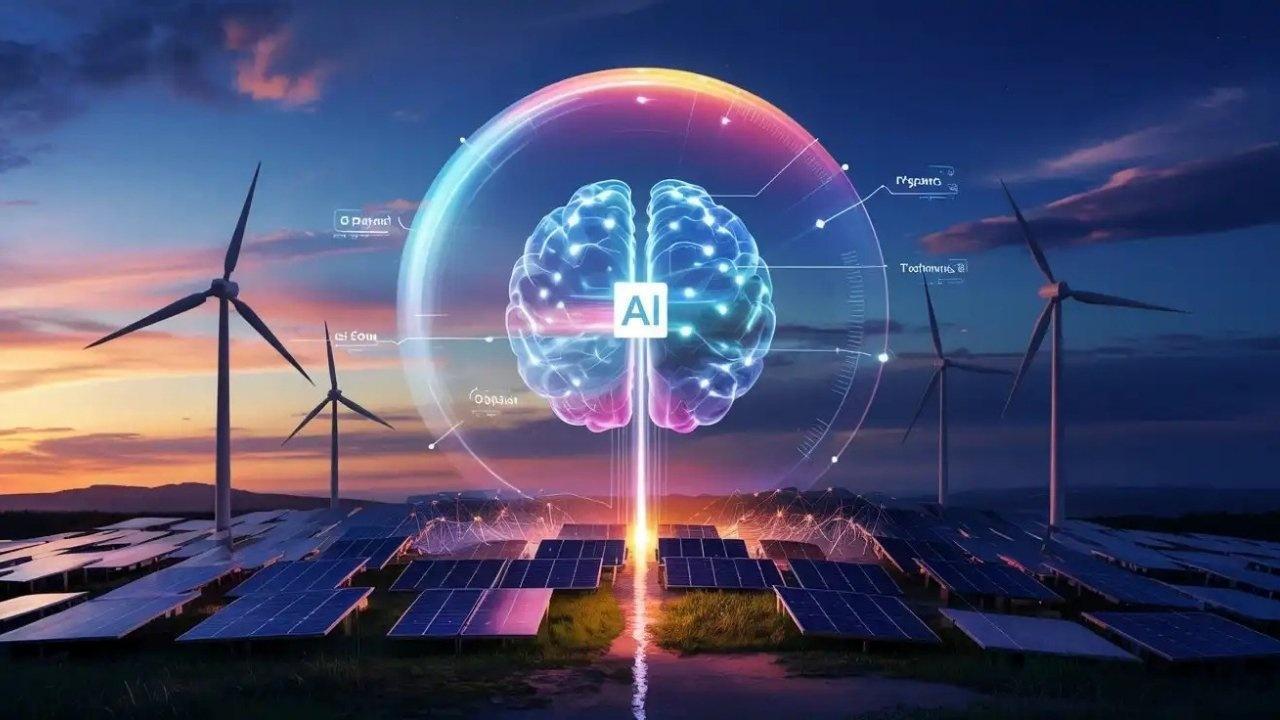
The energy sector is undergoing a transformative shift as artificial intelligence (AI) becomes a driving force behind smart grids and consumption management. The global focus on renewable energy, sustainability, and efficiency has created a pressing need for intelligent systems capable of analyzing large-scale energy data, optimizing distribution, and predicting consumption patterns. In 2025, AI-powered solutions are revolutionizing how energy is generated, distributed, and consumed, offering benefits ranging from cost reduction and operational efficiency to environmental sustainability. This article explores the role of AI in energy, its applications in smart grids, consumption management, challenges, and future potential in reshaping the energy landscape.
The Emergence of AI in the Energy Sector
Artificial intelligence involves using algorithms and machine learning techniques to analyze data, identify patterns, and make informed predictions. In the energy sector, AI applications have expanded rapidly due to the increasing complexity of modern energy networks and the integration of renewable energy sources such as solar, wind, and hydroelectric power.
AI enables energy providers to:
-
Monitor energy consumption in real-time.
-
Predict demand and optimize supply.
-
Detect anomalies and prevent system failures.
-
Reduce energy wastage through precise management.
By leveraging AI, utilities and energy companies can enhance the efficiency, reliability, and sustainability of energy systems while responding effectively to dynamic demand patterns.
Smart Grids: The Backbone of Modern Energy Systems
Smart grids are next-generation electrical grids that use digital technology and AI to improve the efficiency, reliability, and sustainability of electricity distribution. Unlike traditional grids, which rely on static, manual processes, smart grids are dynamic systems that collect and analyze data continuously to optimize energy flow.
Key Features of Smart Grids:
-
Real-Time Monitoring: Sensors and AI algorithms monitor the grid continuously, detecting faults, inefficiencies, or potential overloads.
-
Predictive Maintenance: AI predicts equipment failures before they occur, reducing downtime and maintenance costs.
-
Demand Response Management: Smart grids adjust energy distribution based on real-time consumption patterns, preventing energy shortages or wastage.
-
Integration of Renewables: AI balances intermittent renewable energy sources with conventional power generation to maintain grid stability.
Smart grids provide a foundation for sustainable energy management, enabling utilities to respond proactively to challenges while maximizing operational efficiency.
AI in Energy Consumption Management
Efficient energy consumption management is a critical goal for utilities, industries, and households alike. AI facilitates intelligent energy usage through several mechanisms:
1. Load Forecasting:
AI analyzes historical consumption data, weather patterns, and economic factors to predict future energy demand. Accurate forecasting allows utilities to adjust generation, reduce costs, and prevent energy shortages.
2. Energy Optimization in Buildings:
Smart buildings equipped with AI-controlled HVAC systems, lighting, and appliances optimize energy usage based on occupancy and activity patterns, lowering electricity bills and carbon footprints.
3. Industrial Energy Management:
AI monitors energy-intensive industrial processes, identifying inefficiencies and suggesting optimization strategies to reduce energy consumption without compromising productivity.
4. Personalized Consumer Insights:
AI provides consumers with actionable insights on energy usage patterns, encouraging behavioral changes that promote energy efficiency.
By using AI to monitor and optimize consumption, energy systems become more sustainable, reliable, and cost-effective.
Benefits of AI in Energy Systems
The integration of AI into energy management and smart grids offers multiple advantages:
-
Operational Efficiency: Automation reduces human intervention, streamlines processes, and ensures optimal energy distribution.
-
Cost Savings: AI minimizes energy wastage, improves predictive maintenance, and reduces operational expenses.
-
Environmental Sustainability: Efficient energy usage and integration of renewables reduce carbon emissions and environmental impact.
-
Reliability and Resilience: AI enhances the ability to respond to outages, fluctuating demand, or unexpected disruptions.
-
Consumer Empowerment: Personalized insights and smart home solutions give users control over their energy consumption, encouraging eco-friendly behavior.
These benefits collectively strengthen the energy ecosystem, making it more resilient and sustainable for the future.
Real-World Applications of AI in Energy
Several energy companies worldwide are successfully implementing AI to enhance smart grid operations and consumption management:
1. Predictive Maintenance in Utilities:
Utility companies use AI to monitor transformers, generators, and power lines. Predictive maintenance reduces unexpected outages and extends the lifespan of critical equipment.
2. Renewable Energy Integration:
Wind and solar farms employ AI to predict generation levels, manage storage systems, and balance energy supply with real-time demand.
3. Smart Meter Analytics:
AI-enabled smart meters provide consumers with real-time usage data, facilitating efficient energy consumption and dynamic pricing.
4. Industrial Energy Optimization:
Manufacturing plants utilize AI to analyze machinery performance, identify inefficiencies, and optimize energy consumption without compromising productivity.
These applications highlight AI’s transformative potential across various segments of the energy sector.
Challenges in Implementing AI in Energy
Despite its benefits, AI adoption in energy systems faces several challenges:
-
Data Quality and Availability: Accurate AI predictions depend on reliable, high-quality data. Inconsistent or incomplete data can lead to inefficiencies.
-
Cybersecurity Concerns: Connected smart grids are vulnerable to cyberattacks, requiring robust security protocols.
-
High Implementation Costs: AI infrastructure, software, and skilled personnel require significant initial investment.
-
Regulatory Compliance: Energy providers must navigate complex regulations while deploying AI-driven systems.
-
Workforce Adaptation: Employees must be trained to understand AI outputs and collaborate effectively with automated systems.
Addressing these challenges is essential to ensure that AI implementation delivers its full potential in energy efficiency and grid management.
The Role of Renewable Energy and AI
Renewable energy sources, while sustainable, are often intermittent and variable. AI plays a critical role in addressing these challenges:
-
Predicting Solar and Wind Generation: Machine learning models forecast energy output based on weather conditions, ensuring reliable integration into the grid.
-
Storage Management: AI optimizes battery storage and energy distribution, balancing periods of high generation with peak consumption times.
-
Demand-Supply Matching: Smart grids use AI to align renewable energy supply with fluctuating demand patterns, reducing dependency on fossil fuels.
Through intelligent management, AI maximizes the benefits of renewable energy while maintaining stability and efficiency across energy networks.
Future Trends in AI-Driven Energy Systems
As AI continues to evolve, the energy sector will witness several emerging trends:
-
Edge Computing for Energy Analytics: AI algorithms will process data closer to the source, reducing latency and enabling real-time decision-making.
-
Decentralized Energy Networks: AI will manage distributed energy resources, microgrids, and peer-to-peer energy trading efficiently.
-
Integration with Smart Cities: AI will optimize energy usage across urban infrastructure, including transportation, lighting, and public services.
-
Enhanced Consumer Engagement: Gamification, predictive insights, and dynamic pricing will encourage energy-efficient behavior among consumers.
-
Sustainable Grid Expansion: AI will support global energy transitions, enabling the expansion of smart grids in developing regions with renewable resources.
These trends indicate that AI will play a central role in shaping the future of sustainable, intelligent, and resilient energy systems.
Balancing AI Innovation with Human Oversight
While AI offers remarkable capabilities, human expertise remains crucial. Engineers, grid operators, and energy managers must interpret AI recommendations, make critical decisions, and ensure ethical and regulatory compliance. The optimal approach combines:
-
AI for Data Analysis and Automation: Streamlining operations, monitoring grids, and predicting energy trends.
-
Humans for Strategic Decisions: Overseeing critical infrastructure, managing emergencies, and ensuring long-term sustainability.
-
Continuous Learning: Feedback loops between AI systems and human experts enhance accuracy, reliability, and system performance.
This synergy ensures that AI enhances energy management without replacing essential human judgment and oversight.
Conclusion
AI is revolutionizing energy management by enabling smarter grids and optimizing consumption patterns. In 2025, AI-driven energy systems offer unparalleled efficiency, reliability, and sustainability. By automating research, forecasting demand, integrating renewables, and providing real-time insights, AI empowers energy providers, industries, and consumers to achieve their energy goals responsibly and cost-effectively. While challenges such as cybersecurity, data quality, and implementation costs remain, the benefits of AI in energy far outweigh the risks. As technology continues to advance, AI will remain an indispensable tool in creating resilient, intelligent, and eco-friendly energy systems worldwide.
Disclaimer
This article is for informational purposes only and does not constitute professional energy or investment advice. Organizations and individuals should consult energy experts, AI specialists, and regulatory authorities before implementing AI-driven solutions in energy management systems.


 English