Post by : Anis
Al-Rashid
Why This Trade Agreement Is Seen as Revolutionary
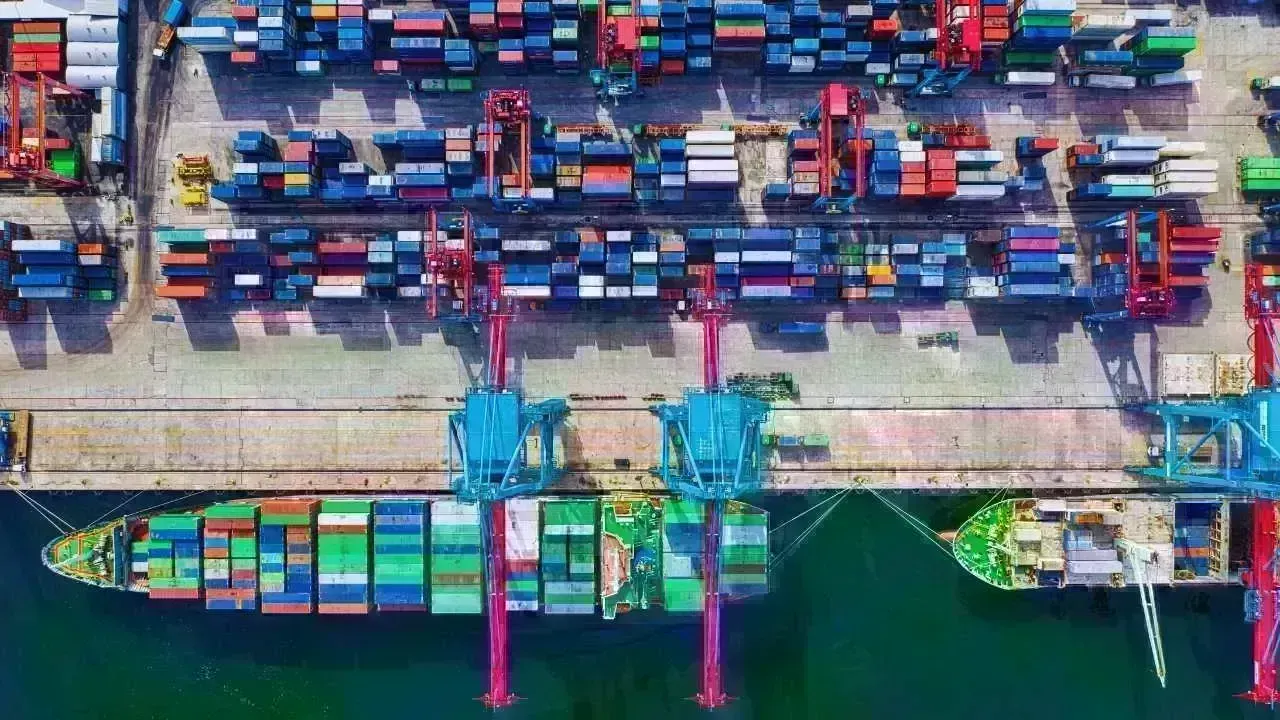
The landscape of global trade has consistently mirrored power dynamics, geography, and economic considerations. Recent disruptions—from pandemics and wars to sanctions and climate shifts—have laid bare the vulnerabilities of established trade pathways. In this context, the newly struck international agreement aimed at enhancing cross-border connectivity is more than just a trade deal; it signifies a crucial strategic transformation.
Contrary to traditional free trade agreements that typically focus on tariffs and market entry, this pact emphasizes logistics integration, alternative transit corridors, digital trade facilitation, and long-term infrastructure investments. Its ambition encompasses regions that collectively account for a substantial portion of global manufacturing, energy, and consumer markets.
The Background: Challenges Facing Global Trade Routes
Ongoing Supply Chain Disruptions
In recent years, global supply chains have encountered relentless shocks, from factory shutdowns to port congestions, making reliability paramount over cost efficiency.
Impact of Geopolitical Conflicts on Logistics
Geopolitical tensions and sanctions have compelled businesses and governments to reassess previously stable routes, turning certain chokepoints into politically sensitive areas, thus increasing risks for traders.
Influence of Climate Constraints
Climate change repercussions and stringent regulations are altering shipping patterns, prompting a reassessment of routes vulnerable to environmental disturbances while garnering attention for greener logistics corridors.
Core Proposals of the Agreement
A Multi-Modal Trade Corridor Strategy
This agreement advocates for an interconnected network that integrates sea, rail, road, and digital pathways instead of focusing solely on maritime transport. Such diversification mitigates reliance on singular routes or regions.
Unified Trade and Customs Procedures
A pivotal aspect of the agreement involves harmonizing customs documentation, digital clearance systems, and logistics standards, potentially cutting down transit times and costs significantly.
Commitments for Infrastructure Investments
Participating nations have pledged to collaborate on investments in ports, rail connections, logistics hubs, and energy corridors, ensuring continuous operation across borders.
Redefining Traditional Trade Geography
Moving Beyond Legacy Maritime Pathways
For many years, global trade has relied heavily on extensive maritime routes. This agreement introduces feasible alternatives aimed at minimizing congestion and political vulnerabilities.
Strategic Importance for Landlocked Regions
Nations previously overlooked due to geographical constraints may emerge as pivotal transit hubs, leveraging logistics, warehousing, and industrial development.
Emergence of New Economic Corridors
This agreement effectively alters economic maps by establishing new trade routes that directly link production centers with consumer markets.
Geopolitical Outcomes of the Trade Pact
Counterbalancing Established Alliances
Beyond mere economic implications, the agreement holds significant geopolitical clout, offering member states an alternative framework for trade collaboration independent of any single superpower.
Trade as a Diplomatic Instrument
By entrenching economic interests across borders, the pact enhances diplomatic relationships and lessens the risk of unilateral trade interruptions.
Intensified Competition for Influence
Major global powers are closely monitoring this agreement, recognizing that control over trade routes often equates to significant political capital.
Global Supply Chain Impact
Prioritizing Resilience Instead of Efficiency
The agreement emphasizes resilience, allowing businesses to swiftly reroute shipments during crises, marking a departure from traditional just-in-time models.
Faster Transit Times for Essential Goods
By simplifying customs and alleviating bottlenecks, this pact has the potential to accelerate delivery timelines for crucial commodities including energy, food, and electronics.
Incentives for Regional Manufacturing
Easier cross-border trade encourages companies to establish regional manufacturing centers instead of centralizing production in a single location.
Gainers and Losers in the New Trade Era
Nations with Strategic Locations Will Benefit
Countries situated along the new trade routes are anticipated to attract investments, create jobs, and enhance export capabilities.
Traditional Hubs May Encounter Challenges
Ports and transit routes that once dominated the global trade landscape may experience declining traffic unless they adapt promptly.
Enhanced Negotiating Power for Smaller Economies
Participation in a comprehensive, rules-based framework bolsters the bargaining position of smaller nations in global trade dialogues.
Projected Economic Advantages from the Agreement
Long-term Lower Logistics Expenses
Despite high initial costs, integrated corridors are likely to diminish transportation expenses over time.
Growth in Trade Volumes
Streamlined procedures and quicker goods movement may significantly enhance trade volumes among participating nations.
Attraction of Sustained Investment
Stabilized infrastructure encourages institutional funders to invest in logistics, energy, and industrial projects.
Challenges and Risks Tied to the Agreement
Implementation Hurdles
Large-scale agreements frequently encounter delays due to political shifts, funding limitations, or bureaucratic barriers.
Unequal Benefits Across Participating Regions
Not every member country may gain equally, potentially igniting internal discord within the alliance.
Concerns Over Security and Data Sovereignty
Integrated digital trade frameworks raise significant questions about data sovereignty, cybersecurity, and infrastructure protection.
Sustainability and Environmental Considerations
Pursuit of Greener Trade Options
The agreement encompasses commitments to reduce emissions through more efficient logistics and the incorporation of cleaner energy sources.
Harmonizing Growth with Environmental Safeguards
Expansion of infrastructure must take into account environmental nuances, especially in ecologically delicate areas.
Trade Planning with Climate Resilience
The new corridors are strategically designed to endure climate-related disruptions, securing long-term sustainability.
Implications for Businesses and Consumers
Stabilized Pricing Over Time
By minimizing disruptions, this agreement may help stabilize the prices of imported goods, ultimately benefiting consumers globally.
Broader Market Access for Enterprises
Small and medium-sized businesses will enjoy easier pathways into international markets through simplified trade regulations.
Increased Transparency in Supply Chains
The digitization of processes enhances traceability, accountability, and regulatory compliance across borders.
Why This Agreement Holds Importance Beyond Trade
A Framework for Future Global Cooperation
This agreement signifies a move from fragmented trade arrangements to cohesive connectivity strategies.
Focus on Economic Security
By broadening routes and partnerships, countries can mitigate possible vulnerabilities to external pressures.
A Reflection of Shifting Global Power Structures
Trade pathways often reflect power relations; revamping them indicates substantial shifts in global influence.
The Future Path: Will This Agreement Achieve Its Goals?
Implementation to Determine Impact
The actual effectiveness hinges on how nations convert commitments into practical actions.
Importance of Private Sector Engagement
Businesses must align their investment and logistics plans with the updated trade framework.
Adaptability as a Key Factor
The relevance of the agreement will depend on its capacity to evolve with advancements in technology, climate realities, and geopolitical landscapes.
Final Reflections
This new international agreement set to reshape global trade routes is not merely about efficiency in moving goods; it indicates a more profound shift in nations’ perspectives on economic security, collaborations, and resilience amid uncertainties. By transforming connectivity, the pact has the potential to reshape global commerce for decades, redefining players, alliances, and the geographical map of international trade.
The determination of whether it succeeds or becomes a lost chance hinges on political resolve, execution, and the collective understanding that trade may not be a zero-sum affair but rather an essential infrastructure for global stability.
Disclaimer:
This article serves as informational and analytical content only. It is not to be construed as trade, investment, or policy guidance. Readers are encouraged to consult official sources and experts for decision-making.


 English