Post by : Anis
Al-Rashid
A Beloved Icon Takes Its Leave
For countless Indonesians, the joyful figure of Doraemon has been a hallmark of their childhood. The futuristic blue cat didn’t just air on TV; it was a beloved companion that appeared weekly, shaping the lives and emotions of those who grew up with it. After a remarkable 37-year presence on Indonesian screens, Doraemon has discreetly exited, stirring feelings of nostalgia and reflection among its fans.
The unexpected removal from TV schedules surprised many who had come to rely on its presence. For many, it’s the first time in decades that their screens won’t showcase the adventures of Doraemon, Nobita, and their friends. This moment signifies more than just another show’s end; it feels like a chapter of shared childhood memories has abruptly closed.
As people took to social media to share their feelings, it became clear that Doraemon's departure symbolized the end of an influential era in Indonesian pop culture.
Doraemon's Arrival in Indonesia
A Journey Begins
Doraemon first arrived in Indonesia in the late 20th century, coinciding with the rise of Japanese animation throughout Southeast Asia. It seamlessly integrated into Indonesian television, quickly becoming a weekend staple, its stories resonating with viewers through relatable themes centered on school life, friendships, and family dynamics.
Children loved the imaginative gadgets introduced by Doraemon, while parents found solace in the endearing moral lessons delivered in each episode, allowing the show to appeal across entire families.
A Tradition Built on Consistency
Doraemon's longevity can be attributed to its consistent airing schedule, fostering habits that transcended generations. Viewers from the 1990s shared episodes with their own children, transforming the cartoon into a cherished family tradition.
What Made Doraemon Special?
Simplistic Yet Profound
At its heart, Doraemon thrived on straightforward narratives, each episode highlighting relatable dilemmas and inventive solutions filled with life lessons. Nobita's academic struggles and insecurities resonated with many, making the themes accessible to the audience.
Shunning rapid action, the anime chose a path that emphasized empathy, kindness, and growth, remaining relevant despite the evolution of entertainment trends.
Universal Appeal
While originating in Japan, Doraemon's themes translated beautifully into Indonesian culture, emphasizing friendship, honesty, and perseverance—values everyone appreciates. Although its tools were fictional, the emotional challenges faced by its characters felt tangible.
The Role of Doraemon in Family Life
Unifying Families
For many years, Doraemon provided a reason for families to gather around the TV. Kids eagerly awaited episodes, while parents reminisced about their own childhoods alongside their children.
In the pre-digital age, this collective viewing experience played a significant role in nurturing familial bonds, transforming quiet moments into meaningful traditions.
The Marker of Time
Many Indonesians link Doraemon with various life stages—school breaks, lazy weekends, and special holidays. Over time, its presence represented the transition from childhood to adulthood, cementing an emotional connection.
The Silent End of an Era
Viewers' Realizations
The understanding that Doraemon was no longer airing came without announcements or pomp. Instead, viewers slowly noticed its absence, initially suspected to be temporary, but soon cemented as the end.
Feeling the Loss
The abruptness of Doraemon’s exit, without the closure fans hoped for, made the departure all the more poignant. After having been a staple for so long, many felt the show deserved a grand farewell, one befitting its legacy in Indonesian television.
Fans Share Their Heartfelt Responses
A Collective Sentiment
As news of Doraemon’s exit spread, social media exploded with emotions. Viewers shared cherished memories, favorite episodes, and heartfelt messages, reflecting on how the show shaped their youth. A varied audience came together, from teenagers to grandparents, underscoring its multigenerational appeal.
Connecting Through Nostalgia
The shared experience of watching Doraemon created connections among fans online, establishing bonds through recollections of specific episodes and emotional moments, transforming the farewell into a communal experience.
Doraemon's Cultural Impact
Characters That Resonated
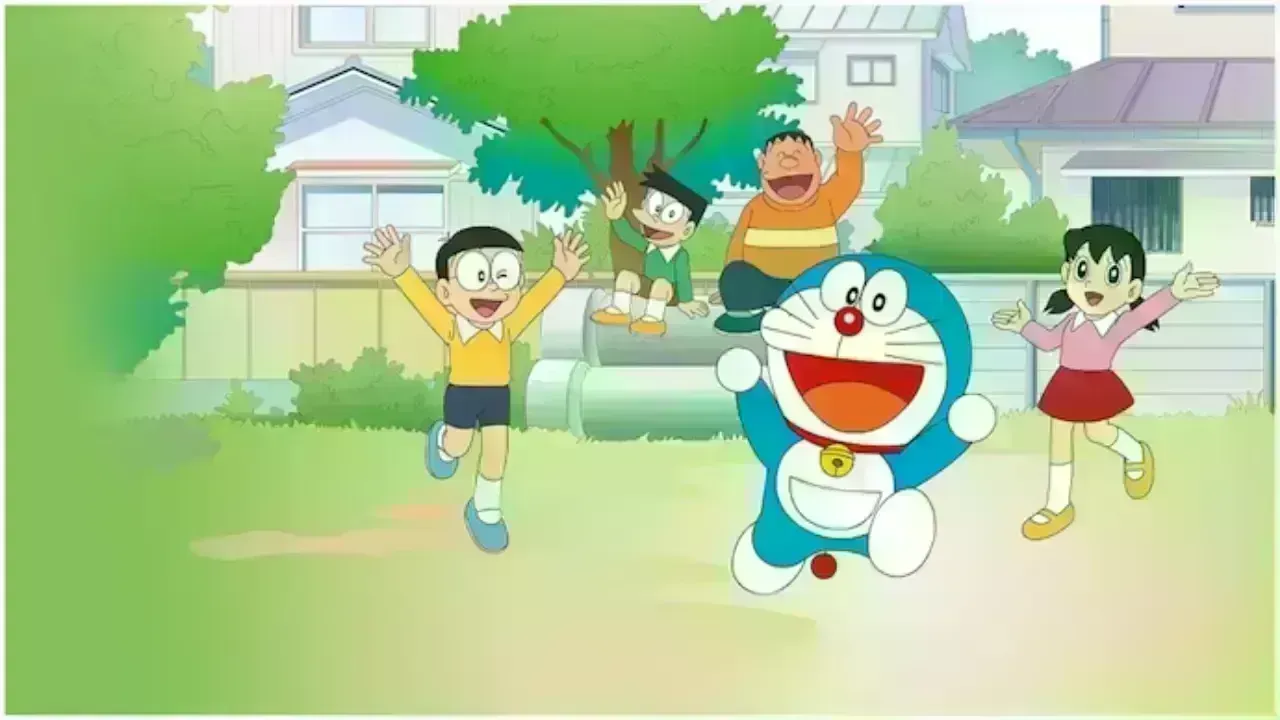
Characters like Nobita, Shizuka, Gian, and Suneo have become household names in Indonesia, embodying relatable personalities that lingered in collective memory. Over time, their influence seeped into daily conversations and humor.
Inspiring Wonder
Doraemon’s futuristic gadgets ignited curiosity in science and innovation, introducing children to creativity and problem-solving from a young age and nurturing imaginative thinking.
Finding Local Resonance
Adapting to Connect
Thoughtful localization was essential for Doraemon’s triumph. Dialogue was tailored to resonate culturally, facilitating a strong connection with characters while preserving the narrative's essence.
Accessibility Across Ages
The language and storytelling style rendered the show appealing to both young children and adults, supporting its broad audience appeal over the years.
Reflections on Changing Media Landscapes
A Shift in Viewing Habits
Doraemon’s conclusion on traditional media mirrors the evolving landscape of how we consume content today, with audiences favoring digital platforms and on-demand options.
Balancing Nostalgia and Convenience
The emotional responses to, and nostalgia surrounding, Doraemon's finale illustrate the tension between timely viewing and shared experiences that once defined family engagement.
Concluding Thoughts on Doraemon
Beyond Entertainment
For many, Doraemon provided companionship during tough times. It served up laughter while teaching valuable life lessons. Losing such a presence is profoundly personal.
Marking the Passage of Time
The conclusion of Doraemon on air serves as a reminder of how swiftly time passes, with each absence prompting reflections on growth and the ethereal nature of childhood.
The Enduring Legacy of Doraemon
Stories That Live On
Despite no longer airing, Doraemon’s influence persists through memories, dialogues, and cultural nuances that affect those who cherished watching it.
A Timeless Impact
Doraemon's legacy remains strong. Few shows have traversed generations so seamlessly. Its exit from TV doesn’t diminish its significance; instead, it cements its place in the hearts of many.
Final Thoughts: A Fond Farewell
The ending of Doraemon’s extensive broadcast run brings a significant chapter in entertainment to a close. It encapsulates nostalgia, gratitude, and reflection. Though the blue robot no longer graces our screens, its spirit will forever dwell in the hearts of millions.
Doraemon was more than just a cartoon; it was a confidant, an educator, and a trusted childhood partner. Its departure serves as a reminder that even though shows may dissolve, the memories linger eternally.
Disclaimer
This piece serves solely for informational and editorial purposes. Broadcast timelines and programming adjustments may vary over time due to licensing regulations.


 English