Post by : Samir
Qureshi
The True Secret to Longevity: Eat Plants, Not Processed Foods
Have you ever wondered why some people seem to defy the effects of aging, living active, vibrant lives well into their 90s and even past 100? While genetics play a role, science is increasingly showing that the most significant factor is something you have full control over: your diet. The true secret to longevity isn't in a magic pill or an extreme workout routine; it lies in filling your plate with mostly plants, not processed foods.
This isn't just a fleeting fad. It’s a well-established principle backed by decades of research into the world’s longest-living populations. This longevity diet is a powerful tool that can protect your heart, reduce disease risk, and significantly slow down the biological processes of aging.
Lessons from the Blue Zones: The World’s Longevity Hotspots
To understand the connection between diet and longevity, researchers have looked to the world’s so-called "Blue Zones." These are five distinct geographic regions where people routinely live to be over 100 years old at rates far higher than the global average. The key to their long lives isn't a shared climate or culture, but a common lifestyle, with diet at its very core.
The Blue Zones include:
Okinawa, Japan: Known for a diet rich in sweet potatoes, soy, and other vegetables.
Sardinia, Italy: A region where the diet is centered on beans, whole grains, and sourdough bread.
Ikaria, Greece: Inhabitants consume a modified Mediterranean diet with lots of potatoes, wild greens, legumes, and olive oil.
Nicoya, Costa Rica: The diet is based on the "three sisters" of Mesoamerican agriculture: beans, squash, and corn.
Loma Linda, California: A community of Seventh-day Adventists who adhere to a largely vegetarian diet.
Despite their differences, the diets of these populations share a common thread: over 95% of their daily calories come from plant-based foods. They eat very little meat, dairy, or refined sugars. This simple, plant-heavy approach is the foundation of their exceptional health.
Science-Backed Benefits of Plant-Based Eating
Shifting your focus to plant-based eating provides a wealth of benefits that combat the very issues that shorten lives in the modern world.
Reduces Chronic Inflammation
Chronic inflammation is a silent threat, driving the development of heart disease, cancer, and other age-related illnesses. Studies, including those from Harvard, have shown that a diet rich in fruits, vegetables, whole grains, and legumes can significantly lower key inflammatory markers. This makes a whole foods, plant-based diet a powerful anti-inflammatory diet.
Protects Heart Health
The leading cause of death worldwide is heart disease. A 2019 meta-analysis published in the Journal of the American Heart Association found that a healthy plant-based diet can reduce the risk of heart disease by an impressive 32%. The fiber, antioxidants, and healthy fats found in plants work together to keep arteries clear, lower cholesterol, and regulate blood pressure.
Boosts Gut Microbiome
Your gut is home to trillions of bacteria that influence everything from your immune system to your mood. A diverse diet of plant foods feeds the beneficial bacteria, leading to a more robust and resilient gut microbiome. Research published in Nature Medicine found a strong link between a diverse plant diet and living longer, highlighting the critical role of gut health in healthy aging.
Lowers Cancer Risk
The World Cancer Research Fund consistently links diets rich in legumes, fruits, and vegetables to a reduced risk of various cancers. Conversely, the World Health Organization (WHO) classifies processed meats as Group 1 carcinogens, putting them in the same category as tobacco smoking for their cancer-causing potential.
The Dangers of Processed Foods That Steal Years from Your Life
While nutrient-dense plants promote health, a steady diet of packaged snacks, sugary cereals, and fast food does the opposite. A 2022 study published in the British Medical Journal (BMJ) found that people who ate the highest amounts of ultra-processed foods faced a 25% higher risk of premature death.
These foods are engineered to be hyper-palatable but are stripped of fiber and nutrients while being loaded with refined sugars, unhealthy fats, and artificial additives. They cause rapid blood sugar spikes, contribute to oxidative stress, and lead to long-term cellular damage. They may satisfy a craving in the moment, but they offer little more than empty calories that fuel weight gain and disease.
Practical Tips for Adopting a Longevity Diet
Making the transition to a more plant-based diet doesn't require an all-or-nothing approach. Start with small, manageable changes that build over time.
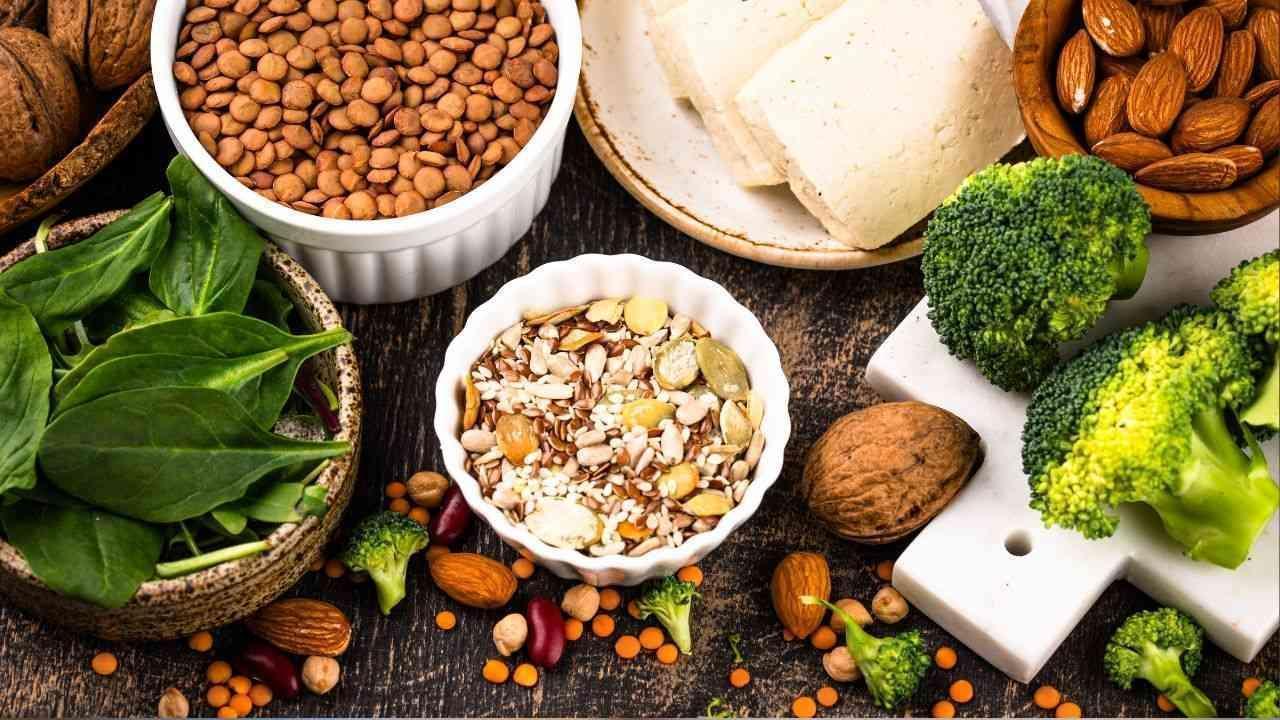
Fill Most of Your Plate with Plants: Aim for your plate to be at least 80% full of vegetables, fruits, whole grains, legumes, and nuts. Use meat or dairy as a side dish or condiment, not the main event.
Make Smart Swaps: Replace sugary drinks with water infused with fruit. Swap chips and cookies for fresh fruit or a handful of roasted nuts. Choose whole grains like quinoa or brown rice over white rice.
Prioritize Legumes: Beans and lentils are a staple in all the Blue Zones for a reason. They are packed with protein, fiber, and nutrients and are incredibly affordable. Try adding them to soups, stews, salads, or main dishes.
Focus on Diversity: Eat a wide variety of plant foods to ensure you get a broad spectrum of vitamins, minerals, and antioxidants. Aim to "eat the rainbow" every day.
The longevity diet is not about deprivation; it's about abundance—filling your life with nutritious, flavorful foods that make you feel good and give you energy. It's about a lifestyle that allows you to live not just longer, but better, with more vitality, a sharper mind, and fewer diseases.
To learn more about plant-based protein, anti-aging foods, and lifestyle tips to enhance your health, stay tuned to our upcoming guides. The journey to a long and healthy life starts on your plate.
Disclaimer
This article is for educational purposes only. It is not a substitute for professional medical advice. Always consult a healthcare professional before making major dietary or lifestyle changes.


 English