Post by : Anis
Al-Rashid
Focus on Emerging Infectious Diseases
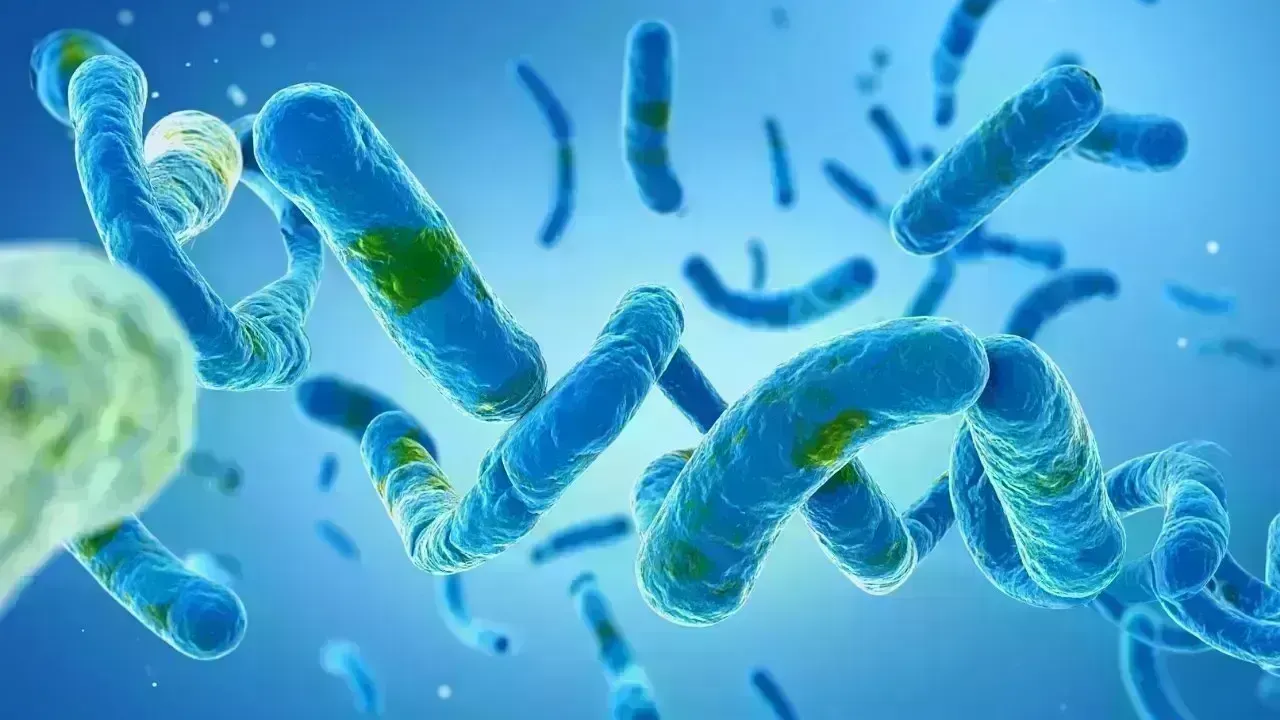
Despite moving past recent pandemic emergencies, new infectious disease threats continue to loom large. Experts caution that the likelihood of outbreaks is climbing, rather than falling.
Factors like rapid urbanization, climate fluctuations, global mobility, deforestation, and closer human-animal interactions provide fertile ground for pathogens to evolve and spread quickly. Diseases that historically affected isolated locales can now reach distant continents in mere hours.
Consequently, global health organizations maintain a vigilant stance, continuously monitoring, modeling, and preparing for potential threats that may not grab headlines but could escalate swiftly if left unchecked.
Understanding Emerging Infectious Diseases
Emerging infectious diseases are defined as illnesses that:
-
Are newly discovered in humans
-
Have recently surged in incidence or expanded geographically
-
Possess the potential for rapid transmission
They may stem from viruses, bacteria, fungi, or parasites, often originating in animals before adapting for human transmission.
Notably, over 60 percent of emerging infectious diseases are zoonotic, indicating they transfer from animals to humans.
Agencies Leading Disease Surveillance
The effort to monitor global diseases is coordinated by a network of national and international entities, including the World Health Organization, Centers for Disease Control and Prevention, and various regional health organizations in Europe, Asia, and Africa.
These organizations work to:
-
Monitor outbreaks in real-time
-
Analyze genetic variations
-
Provide early warnings
-
Coordinate response strategies internationally
Today’s surveillance heavily utilizes data science, genomic analysis, and AI technologies.
Key Emerging Diseases Under Observation
Prioritizing Zoonotic Viruses
Rising Spillover Events
Zoonotic viruses remain the primary concern for health authorities as human encroachment into wildlife habitats increases the likelihood of spillover events.
Viruses that once circulated among animals are now finding ample opportunity to infect humans, sometimes with serious implications.
Health organizations are focusing on zoonotic pathogens that exhibit:
Avian Influenza: A Consistent Concern
Strains of highly pathogenic avian influenza continue to evolve and spread among birds and mammals. While human transmission remains limited, agencies remain vigilant for mutations that could facilitate sustained human-to-human transmission.
Even isolated outbreaks trigger concern due to:
-
High fatality rates among humans
-
Widespread impact on the food supply
-
Potential for global pandemic
Antibiotic-Resistant Bacteria: An Invisible Crisis
While viral outbreaks often dominate news cycles, antimicrobial resistance ranks among the most grave emerging health threats.
Drug-resistant infections claim millions of lives globally each year. Health organizations are monitoring:
-
Superbugs resistant to last-resort antibiotics
-
Infections acquired in hospital settings
-
Community spread of resistant strains
Unlike viruses, resistant bacteria can cause significant threats even without explosive spread—rendering routine infections potentially life-threatening once again.
Climate Change and Mosquito-Borne Diseases
Warmer Waters, Wider Reach
Diseases carried by mosquitoes are extending into new areas as the planet warms.
Health authorities are tracking the spread of:
-
Dengue
-
Zika
-
Chikungunya
-
Yellow fever
Previously unexposed regions are facing outbreaks, often lacking immunity and readiness.
Climate change is redefining mosquito-borne diseases as a global threat rather than a localized issue.
Fungal Infections: A Growing Concern
New fungal pathogens are gaining attention, especially those resistant to antifungal treatments.
These infections now affect:
Fungal diseases can be hard to diagnose and treat, making them particularly dangerous.
The Unknown: A Placeholder for Future Threats
Health organizations refer to an unknown pathogen that could lead to a major epidemic as “Disease X.”
This term serves as a reminder that:
-
The next significant outbreak may emerge from an unidentified source
-
Preparedness must allow for flexibility
-
Surveillance systems must be capable of identifying anomalies, not just known threats
Planning for Disease X emphasizes readiness over prediction.
Increased Frequency of Outbreaks
A confluence of global trends is advancing the frequency of outbreaks:
International Travel and Trade
A person can transport a virus across the world before showing any symptoms. The movement of goods and animals also aids in disease spread.
Urbanization
Crowded cities provide optimal conditions for swift transmission once a pathogen is introduced.
Environmental Disruption
Activities such as deforestation and agricultural expansion increase human proximity to wildlife reservoirs.
Evolution of Surveillance Techniques
Contemporary disease surveillance is not what it used to be.
Health agencies now implement:
-
Genomic analysis to monitor mutations
-
AI to spot outbreak trends
-
Wastewater analysis for early detection
-
Digital systems for swift alerts
These advancements allow for detection earlier than traditional methods.
The Importance of Global Collaboration
No nation can singularly tackle emerging disease threats; pathogens ignore borders.
Global partnerships facilitate:
-
Swift information sharing
-
Coordinated travel recommendations
-
Collaborative research and vaccine development
When collaboration falters, outbreaks can escalate more quickly.
Advancements in Vaccines and Therapeutics
Innovations in vaccine technology have notably reduced development timelines. Yet, access to these vaccines remains inequitable.
Organizations are prioritizing:
-
Creating adaptable platform-based vaccines
-
Stockpiling essential medical resources
-
Enhancing global manufacturing capabilities
Equitable access remains a prominent hurdle.
The Vital Role of Public Trust
Effective surveillance and readiness depend significantly on public cooperation.
Misinformation, skepticism towards institutions, and hesitancy regarding vaccines can:
Health authorities are prioritizing transparent communication and community involvement.
Economic Repercussions of Emerging Diseases
Even minor outbreaks can carry significant economic ramifications:
Being prepared is not only a health priority but an economic essential.
Government Initiatives to Enhance Preparedness
Nations are channeling investments into:
-
Early-warning methodologies
-
National disease surveillance frameworks
-
Emergency response exercises
-
Expanding the public health workforce
The focus is shifting towards preparedness rather than reactive measures.
Integrating One Health Strategy
Health organizations are increasingly embracing the “One Health” philosophy, acknowledging that:
are deeply interconnected.
Preventing outbreaks often requires ecological preservation and vigilance of animal health.
Implications for Daily Life
The majority of emerging diseases may not escalate to pandemics. However, their monitoring:
-
Staves off major outbreaks
-
Shields healthcare systems
-
Saves lives quietly and efficiently
Effective preparedness often goes unnoticed.
Are We More Prepared Now?
Indeed—yet also not quite.
Technological advancements, surveillance techniques, and collaborative scientific efforts have seen tremendous growth. Nonetheless, global inequities, political divides, and environmental challenges persist, continuing to foster vulnerability.
Preparedness is indeed a moving target.
Remaining Vigilant
Emerging infectious diseases are not anomalies—they are part of our modern reality.
Ignoring these threats will not make them vanish. Early monitoring can frequently stop potential catastrophes.
Concluding Thoughts: Staying Alert to Avert Future Crises
Emerging infectious diseases pose one of the most formidable ongoing challenges to global stability. Though most will never make the news, a select few can significantly affect societies, economies, and the course of history.
Health authorities across the globe are in a perpetual race against time—detecting threats promptly, understanding their dynamics, and neutralizing them before they amplify.
The future of global health will hinge not on reacting during crises but on assured preparedness in calmer times.
Currently, the world watches with due diligence.
Disclaimer:
This article serves informational purposes only and does not represent medical advice. Disease risks and monitoring priorities may adjust as new data becomes available.


 English