Post by : Saif
Al-Najjar
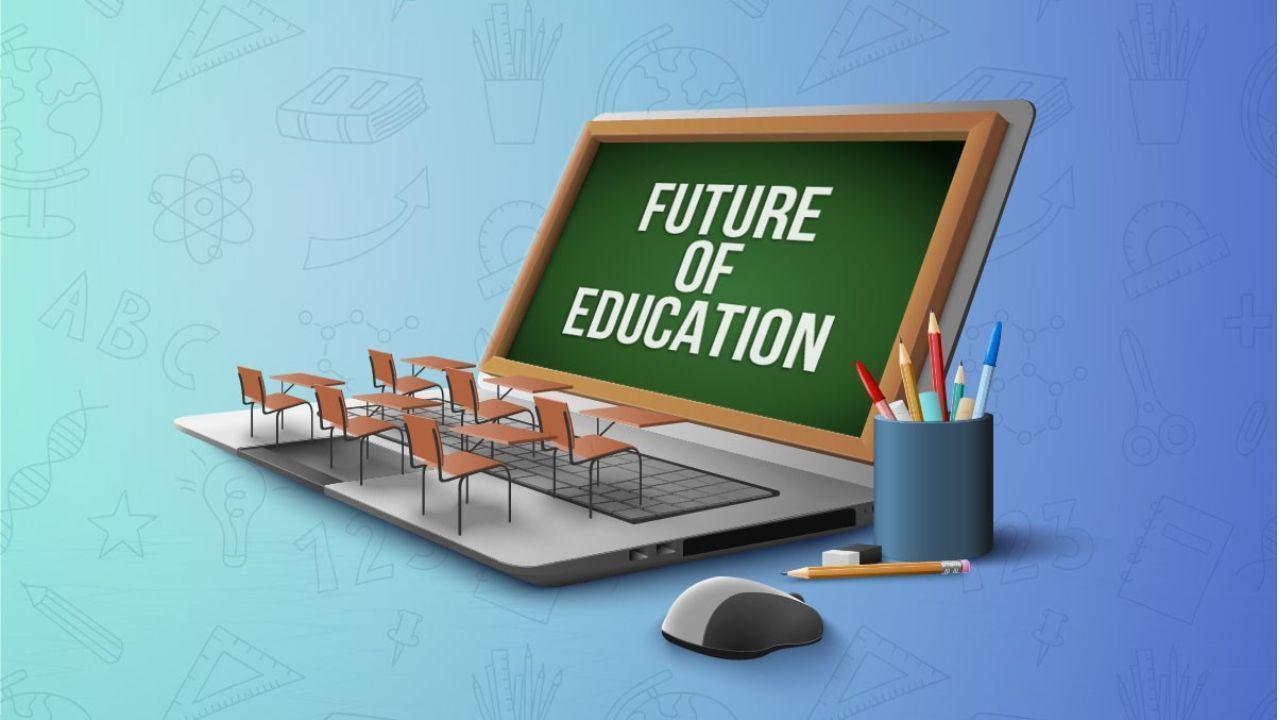
Education is one of the most powerful tools that can change a person’s life. For many years, learning happened only inside classrooms. Students needed to attend school or college to gain knowledge from teachers. But today, things are changing very fast. The rise of online learning platforms has brought a new way of education that reaches millions of people across the world.
Online learning is no longer just an option; it has become a big part of how people study, work, and grow in their careers. In this article, we will explore how online learning platforms are changing the future of education in simple terms.
1. What Are Online Learning Platforms?
Online learning platforms are websites or apps where students can take classes on almost any topic. These platforms offer video lessons, reading materials, quizzes, and certificates after completing courses. Popular platforms include Coursera, Udemy, Khan Academy, edX, and BYJU’S.
They make it possible for students to learn from anywhere, at any time. All that is needed is a smartphone, tablet, or computer with an internet connection.
2. Learning Becomes Easier and Flexible
In traditional schools, students follow fixed schedules. They must attend classes at specific times. But online learning gives students the power to learn at their own pace.
A student can watch recorded lessons whenever they want. If they don’t understand something, they can replay the video as many times as needed. This helps slow learners gain confidence and fast learners move ahead quickly.
For example, a working adult can take an online course after office hours. A school student can learn math or science on weekends. Online learning gives freedom to learn without pressure.
3. Access to Global Knowledge
Online platforms connect students with teachers and experts from all over the world. A student from a small town in India can learn coding from a professor in the United States. A farmer’s child can learn business skills from top universities without leaving home.
This global access helps everyone, no matter where they live, to learn from the best minds. It also helps people understand different cultures and ideas, which makes education more meaningful and modern.
4. Affordable Education for Everyone
Education can be expensive, especially when it involves books, uniforms, or travel. Online learning solves this problem. Many online courses are free or available at low cost.
Even when some platforms charge fees, it is much less than regular college tuition. Because of this, more people can afford to study new subjects and improve their skills.
For example, many unemployed youth now use free online courses to learn digital marketing, computer skills, or foreign languages to find better jobs.
5. Technology Makes Learning Fun
Online learning platforms use technology to make studying more exciting. Instead of just reading textbooks, students can watch animations, join live classes, or play learning games.
Some platforms use virtual reality (VR) or artificial intelligence (AI) to make lessons interactive. For example, in science courses, students can explore the human body in 3D. In history classes, they can take virtual tours of ancient cities.
These tools make learning enjoyable and help students remember lessons better.
6. New Opportunities for Teachers
Online platforms don’t only help students; they also help teachers. A teacher can reach thousands of students from different countries without leaving their home.
Many teachers now record their lessons and upload them to platforms like YouTube or Udemy. They earn money based on the number of students who enroll. This gives teachers financial independence and global recognition.
7. Challenges in Online Learning
Even though online learning has many benefits, it also has some challenges. Not everyone has a fast internet connection or access to digital devices.
Some students miss the classroom environment where they can talk to teachers and friends in person. Others struggle to stay focused while studying alone at home.
To solve this, schools and governments are working to provide better internet access, free digital tools, and guidance for online learning.
8. The Future of Education
The future of education will likely be a mix of both online and offline learning. This is called “blended learning.” It means students will learn some subjects in classrooms and others through online platforms.
In the coming years, more schools and colleges will use online tools for teaching. Students will no longer be limited by geography or classroom walls. Education will become more open, flexible, and personalized.
For example, a student in a remote village can attend a live class from a top university. A homemaker can learn new skills online and start a small business.
Online learning is giving everyone a chance to learn and grow.
Disclaimer
Online learning platforms have changed the way people see education. They have made learning easier, cheaper, and more flexible. Students can now choose what they want to study, when they want to study, and how fast they want to learn.


 English