Post by : Sami
Al-Rahmani
Impact of Environmental Changes on Everyday Life
Environmental changes are not just distant forecasts anymore; they are directly visible and impactful in our daily existence. From the quality of our air and food to how we manage our work and wellness, these shifts are transforming everyday practices globally. Alarmingly, the incremental nature of these changes makes them easy to overlook—until they manifest in profound ways.
This article delves into the significant environmental changes influencing daily living, their manifestation in routine tasks, and why grasping these shifts is crucial for individuals and communities alike.
Rising Temperatures and Heat Impact
The most apparent shift is the gradual increase in temperatures both globally and locally.
Effects of Elevated Temperatures on Daily Routines
-
Greater incidence of heat illness and dehydration
-
Increased utility costs due to cooling
-
Decreased productivity in physical labor jobs
-
Problems sleeping during warmer nights
Heatwaves are more frequent and prolonged, impacting comfort, health, and economic stability.
Specific Risks for Vulnerable Populations
Individuals such as the elderly, children, and outdoor workers face a higher risk of complications due to heat. Daily schedules are progressively being altered to avoid extreme heat.
Declining Air Quality and Respiratory Issues
Air contamination has evolved into a silent menace, negatively impacting health even in previously clean locales.
Factors Impacting Urban Air Quality
Consequences for Daily Life
-
Rise in allergy and asthma symptoms
-
Eye irritation and headaches
-
Less outdoor activity
-
Increased reliance on air purification devices
The repercussions of poor air quality impact work efficiency, school participation, and health care expenses.
Unpredictable Rainfall and Water Challenges
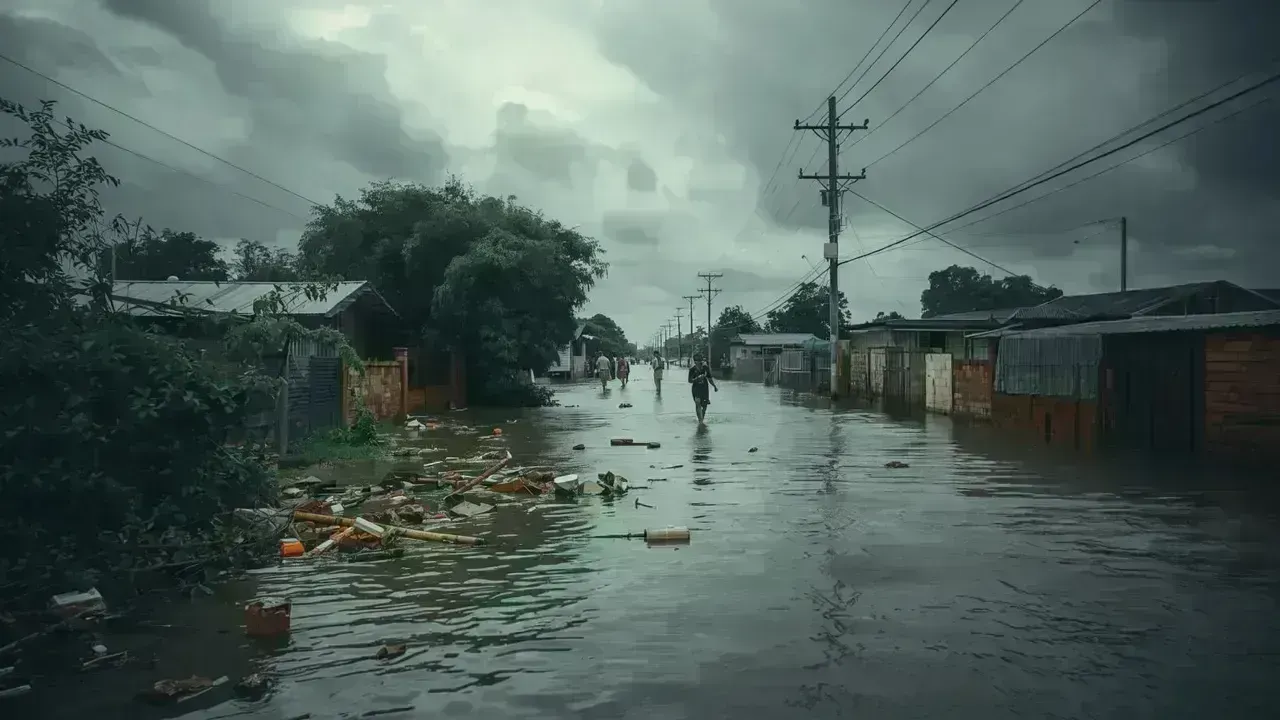
Rain patterns have turned erratic, swinging between surplus and scarcity.
Implications of Irregular Rain Patterns
-
Urban flooding affecting transportation
-
Water shortages during dry spells
-
Infrastructure damage
-
Increased costs for water treatment and storage
Everyday activities such as commuting and hygiene are now influenced by available water resources.
Challenges with Water Quality and Accessibility
Environmental degradation has deteriorated both surface and groundwater.
Influence on Daily Practices
-
Greater dependence on filtration systems
-
Increased bottled water consumption
-
Fears over contamination and associated health risks
-
Rising household expenses
Guaranteed access to clean water is diminishing in many areas, turning a basic necessity into a daily concern.
Effects on Food Supply and Costs
Environmental transformations are reshaping food production, transportation, and pricing.
Climate Impact on Food Systems
-
Crop failures stemming from extreme heat or flooding
-
Declining nutritional quality in produce
-
Increased reliance on imported food
-
Soaring food prices
These shifts influence daily meal planning, nutrition standards, and household finances.
Unpredictable Seasons
Seasonal changes are becoming more erratic.
Daily Life Implications
-
Uncertainty regarding seasonal clothing
-
Health problems from sudden temperature changes
-
Agricultural planning difficulties
-
Increased illnesses during seasonal shifts
People are facing diverse weather challenges in short spans, impacting physical and mental health.
Environmental Stress and Mental Well-being
Ongoing environmental uncertainties foster a state of chronic anxiety.
Mental Health Ramifications
-
Anxiety over severe weather patterns
-
Stress from escalating living expenses
-
Concerns regarding enduring environmental instability
-
Declining sense of security
This type of anxiety, termed environmental or climate distress, disrupts concentration, sleep, and emotional balance.
Increased Frequency of Extreme Weather
Extreme weather occurrences are becoming commonplace.
Common Disruptions
-
Flooded cities and damaged properties
-
Power disruptions
-
Disrupted internet and communication services
-
Evacuations
These incidents hinder work, educational opportunities, and overall daily mobility.
Urban Vulnerability
Cities are particularly susceptible to environmental transitions.
Urban Challenges
-
Heat islands raising local temperatures
-
Drainage systems overwhelmed by heavy rainfall
-
Reduced green spaces
-
Higher exposure to pollution
Urban living now demands adaptive strategies, from commute timings to housing decisions.
Energy Consumption and Cost Implications
Changes in the environment directly influence energy needs.
Daily Effects
-
Higher electricity consumption
-
Growing fuel prices
-
Increased focus on energy-efficient devices
-
Shift towards renewable energy sources
Households are becoming increasingly aware of energy use due to fluctuating costs and reliability.
Increasing Waste and Environmental Consciousness
Environmental pressures have heightened waste awareness among the public.
Shifts in Daily Habits
-
More meticulous waste segregation
-
Lower plastic consumption
-
Turn towards reusable options
-
Community recycling initiatives
Daily decisions now carry environmental weight, and many are thoughtfully considering their choices.
Health Hazards Linked to Environmental Exposure
Shifts in the environment heighten the risk of health issues.
Health Risks Include
Transportation Changes
Environmental elements affect mobility patterns.
Mobility Challenges
-
Road damage attributed to flooding
-
Increased fuel demands
-
Trend towards public transport or EVs
-
Travel delays influenced by weather
Planning for mobility now includes environmental factors.
Work Environments and Productivity
Environmental alterations have a substantial impact on workplace conditions.
Challenges in the Workplace
-
Decreased productivity during extreme heat
-
Higher rates of sick leave
-
Increased remote work due to environmental disturbances
-
Costs for adapting infrastructures
Employers and employees need to modify work environments to align with changing conditions.
Environmental Disparities
Environmental impacts do not affect everyone equally.
Disparities Include
-
Limited access to clean air and water
-
Higher exposure levels in disadvantaged communities
-
Insufficient resources for coping
Environmental challenges can widen socioeconomic gaps, making life increasingly difficult for those already vulnerable.
Daily Adaptations Individuals Are Making
Individuals are modifying their routines in small yet significant manners.
Common Adjustments
-
Close monitoring of weather forecasts
-
Shifting meal selections
-
Investing in health and protection tools
-
Supporting eco-friendly products
Daily decision-making now increasingly embraces adaptation.
The Importance of Awareness Over Fear
Understanding environmental changes empowers effective response rather than emotional reaction.
Awareness facilitates:
Future Considerations for Daily Life
As environmental shifts persist, they will continue to shape societal patterns. The focus should be on preparedness, resilience, and informed strategies rather than fear. Minor changes today can alleviate stress and enhance quality of life going forward.
Final Thoughts
The impact of environmental transformations on daily life is profound yet subtle. From health concerns to food security, awareness of these shifts is vital for individual adaptation and decision-making that aligns with both personal stability and ecological health.
Note
This article serves solely for educational and informational purposes. Environmental effects vary by region, lifestyle, and individual factors. The content does not substitute professional environmental, medical, or policy advice. Readers should consult experts for localized or healthcare-related inquiries.


 English