Post by : Anis
Al-Rashid
Significance of the Economic Triangle in 2026
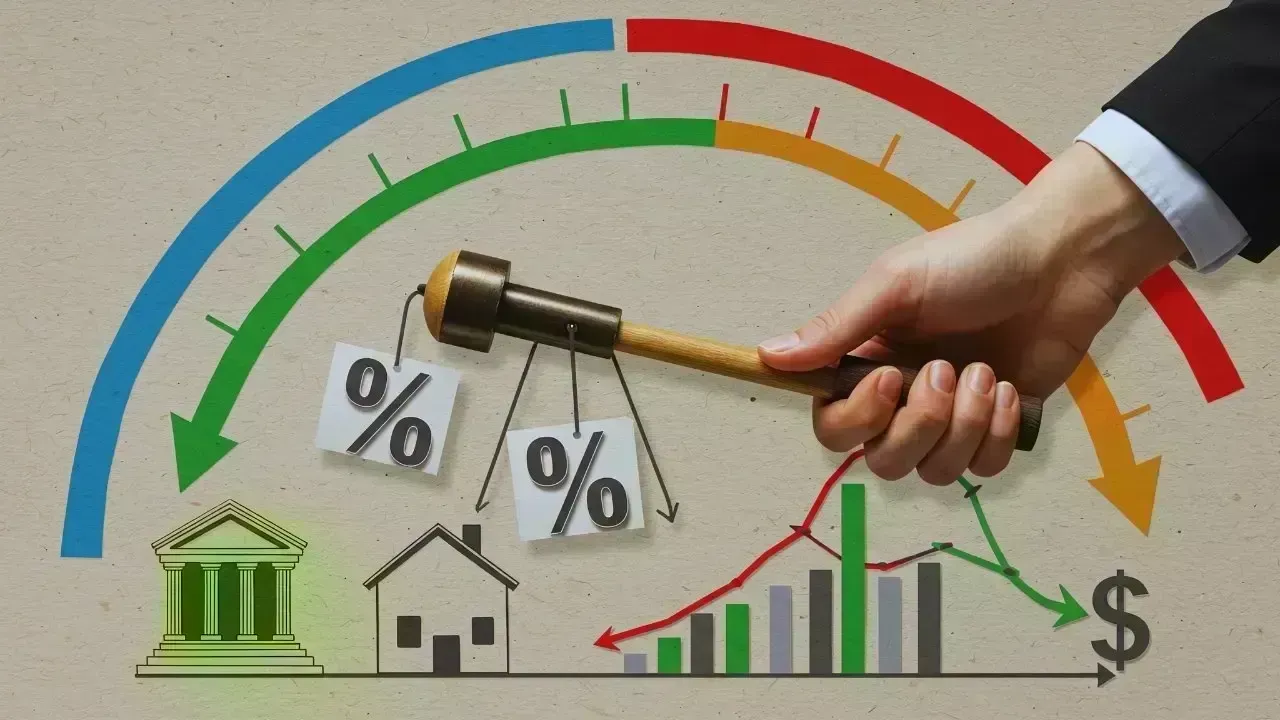
In 2026, the interplay of three decisive economic forces—inflation, interest rates, and employment—shapes the global economic landscape. Each factor influences the others, creating a complex equilibrium that governments and central banks strive to maintain. Rising inflation typically prompts an increase in interest rates to temper demand; in turn, higher rates slow job growth, which impacts consumer spending and inflation once more.
This intricate relationship forms what many describe as an economic triangle, a concept that is particularly critical this year. After a period marked by pandemics, conflicts, disrupted supply chains, and aggressive monetary policies, economies are on a path to recovery. Policymakers find themselves balancing price stability, job preservation, and growth. For individuals, this triangle affects everything from living costs to employment security and future opportunities.
Deciphering Inflation in 2026
Household Implications of Inflation
Inflation represents the gradual rise in the cost of goods and services. This trend directly diminishes the purchasing power of money. When inflation escalates, families notice increased costs for essentials like groceries, fuel, and healthcare, often without corresponding wage increases.
In 2026, while many regions have seen inflation stabilize compared to previous spikes, it remains a pressing issue. Price increases continue in essential areas such as food, housing, and energy, and even a slight rise in inflation can have a significant impact on household finances.
The Challenge of Controlling Inflation
Various factors have contributed to persistent inflation challenges. Supply chains are still adjusting post-disruption, geopolitical tensions elevate energy costs, and climatic changes affect agricultural outputs. In parallel, strong consumer demand in certain areas keeps prices high.
International organizations like the IMF emphasize that a swift return to pre-crisis inflation levels seems unlikely. Economies may face protracted periods of price instability, necessitating caution among policymakers.
Interest Rates as a Countermeasure to Inflation
The Mechanics of Interest Rates
Interest rates denote the expense of borrowing funds. When central banks elevate rates, loans become pricier, leading to a decrease in spending and investment, which helps temper inflation. Conversely, lowering rates makes borrowing easier, stimulating spending and job creation.
For 2026, interest rates remain higher than the historically low levels of the last decade, with central banks exercising caution in rate cuts to combat potential inflation resurgence.
The Caution of Central Banks
Recent lessons have made central banks wary. Premature rate reductions can reignite inflation, while prolonged high rates risk growth and employment. Institutions like the Federal Reserve and the Reserve Bank of India are meticulously analyzing data before undertaking any policy adjustments.
Their policy decisions have global implications, affecting capital flows and currency strength, with higher interest rates attracting foreign investments but making exports from developing countries less competitive.
Job Market Trends in 2026
Employment Landscape
The job market displays a mixed picture in 2026, with some sectors actively recruiting while others face hiring slowdowns. Industries such as technology, renewable energy, and healthcare are strong, yet sectors dependent on borrowing, like real estate and construction, are stressed by elevated interest rates.
While unemployment rates are low, job security appears fragile. The shift toward gig work and short-term contracts has left many workers seeking stability rather than just job availability.
Wage Dynamics Amidst Inflation
Wages play a crucial role in linking jobs to inflation. Tight labor markets generally lead to wage increases as companies compete for talent. This uptick in wages boosts spending power, potentially driving prices higher. In 2026, policymakers are acutely aware of this wage-price relationship.
Although wage growth has improved, it hasn't consistently kept pace with living expenses, resulting in public dissatisfaction and escalating calls for government intervention in income disparities.
The Interconnected Impact of Inflation, Interest Rates, and Jobs
Interaction Between Inflation and Interest Rates
Typically, high inflation triggers increases in interest rates. Central banks aim to reduce demand, thereby slowing price increases, but the effects of such measures can take considerable time to manifest in economic performance.
Policymakers in 2026 face the lagging repercussions of prior rate hikes. Despite some easing in inflation, the economic deceleration stemming from stringent monetary policies is still evident.
Effects of Interest Rates on Employment
Elevated interest rates hinder business borrowing and expansion capabilities. Companies may postpone investments and hiring, which can adversely affect workforce levels and wage growth.
Small enterprises are particularly affected; restricted access to credit can jeopardize their survival during high borrowing periods, resulting in local job losses.
Consumer Spending and Inflation Correlation
Strong employment and rising wages generally lead to increased consumer demand, potentially pushing prices higher, especially if supply falls short. Conversely, a weakened job market curtails spending, easing inflationary tensions.
This cyclical interplay complicates the management of the economic triangle. Any policy intervention aimed at one vertex inevitably influences the others.
Impact on Various Societal Groups
Effects on Middle-Class Families
Middle-income households experience the direct impacts of this economic triangle. Rising inflation raises living costs, while high interest rates escalate mortgage and loan payments, fostering concerns regarding job stability and long-term financial planning.
As a result, many families in 2026 are prioritizing savings while cutting discretionary spending, a trend that further influences overall economic growth.
Challenges for Young Workers and Job Seekers
Young individuals entering the job market confront significant challenges. Though opportunities exist, competition is fierce, and entry-level wages often fail to meet rising living costs. High interest rates compound the challenges related to student loans and housing affordability.
These factors affect career choices, with many younger individuals leaning towards stable positions over riskier options.
Business Strategies for Employers
Companies face the task of juggling rising expenses, wage demands, and borrowing costs. A significant shift toward automation and efficiency over workforce expansion is noted. While this boosts productivity, it raises concerns over long-term job availability.
Beyond Interest Rates: Government Policy Responses
Fiscal Initiatives to Stimulate Job Creation
Governments are increasingly deploying fiscal policy as a tool to bolster employment and economic growth. Investments in infrastructure, healthcare, and clean energy projects are recognized as job-generating avenues that do not excessively inflate prices.
Specific subsidies and tax incentives are also utilized to protect vulnerable groups from the adverse impacts of rising costs.
Importance of Social Safety Nets
Social support systems, including unemployment benefits, food aid, and healthcare access, are vital in cushioning the adverse effects of economic tightening. Many governments, in 2026, are reviewing these safety nets to ensure their effectiveness amid ongoing uncertainties.
Differing Economic Dynamics Globally
The Experience of Developed Economies
Developed nations focus on curbing inflation without provoking recessions. Their challenge involves managing aging populations, significant debts, and slower growth while ensuring job availability.
Emerging Economies: Unique Challenges
Emerging markets contend with added layers of complexity. They navigate through inflation and interest rate challenges while grappling with currency fluctuations and capital mobility. Elevated global interest rates risk draining critical investments and stymieing job growth.
Key Indicators Under Expert Observation
Economists are monitoring critical indicators in 2026, including:
-
Core inflation excluding food and energy
-
Wage growth relative to productivity levels
-
Participation rates in the labor force
-
Trends in business investment and credit growth
These metrics serve as indicators of whether the economic triangle is moving towards equilibrium or experiencing instability.
Outlook for the Remaining Year
As 2026 progresses, a mix of cautious optimism is likely. Gradual cooling of inflation may provide central banks the opportunity to adjust interest rates. Nevertheless, job market conditions could weaken before the full benefits of policy shifts are felt.
For individuals and businesses alike, adaptability remains essential as they navigate the intertwined forces of the economy.
Conclusion: A Frail Balance Ahead
Inflation, interest rates, and job markets are intricately linked. They create a powerful triangle that delineates economic reality in 2026. Policymakers must carefully navigate these relationships to avert economic recessions or uncontrolled inflation.
For citizens, grasping this interplay is crucial amid uncertainty. The actions undertaken by governments and central banks will greatly impact living standards and economic stability for many years to come.
Disclaimer:
This article is intended for information purposes only and does not offer financial advice. Economic conditions are subject to rapid changes; readers should consult professionals for personal financial guidance.


 English