Post by : Anis
Al-Rashid
The Quiet Crisis of Plastic Dependency
What was once hailed as an innovative marvel, plastic has become a pervasive health issue. Its lightweight, affordability, and versatility saw it replace traditional materials like glass and metal in many products. For years, it was synonymous with modern living.
However, this progress has a dark side.
Plastics are not constrained to packaging and among us. They infiltrate ecosystems, contaminating air, soil, and waterways—culminating in a disturbing realization: they have entered our bodies. Evidence shows plastic particles in blood, lungs, the digestive system, and even within fetuses.
This isn’t a dystopian tale.
This is today’s reality.
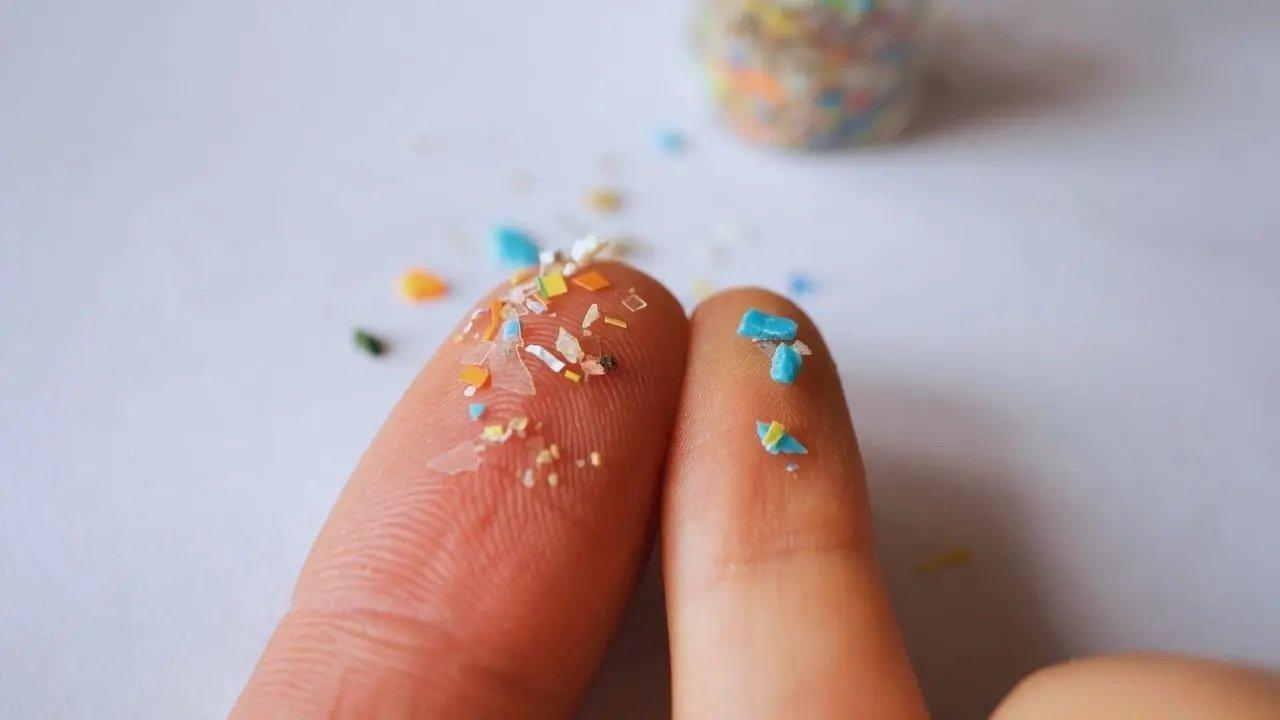
Plastic's insidious nature lies in its invisibility. Unlike immediate toxins, it decomposes into minuscule fragments unnoticed. Once dispersed, these particles infiltrate essential biological functions.
The repercussions are not apparent overnight.
They unfold over years.
Plastic’s prevalence alters our existence.
It also transforms our bodily functions.
The Body's Response to Plastic Invasion
From Waste to Biological Substance
Plastic holds no place inside us. Yet, it infiltrates through digestion, air, and skin, merging into our bloodstream.
The human body cannot metabolize or dispose of plastic.
It builds up.
These minuscule particles act as invaders. The immune system combats them, but since they don’t degrade biologically, elimination becomes impossible.
This leads to chronic exposure.
Plastic's intrusion leads to:
-
Triggering inflammation
-
Transporting harmful chemicals
-
Disrupting hormonal balance
-
Putting stress on organs
-
Presenting a long-standing health challenge
Plastic doesn’t have an immediate lethal effect.
It drains vitality over time.
Microplastics: The Hidden Hazard
The Deceptive Nature of Smaller Plastics
Plastic does not vanish. It disintegrates.
Gradually, it breaks down into:
These minute particles find their way into:
-
The bloodstream
-
Vital organs
-
The brain
-
The placenta
At this scale, plastic transforms from waste to a toxin.
It traverses biological barriers.
It moves between cells.
It integrates discreetly.
Plastic's Role as a Toxin
Plastics absorb environmental toxins, acting like sponges. When they invade the body, they introduce these chemicals directly to tissues.
This redefines plastics as slow-acting chemical agents.
Exposure Pathways: How Plastics Become Ubiquitous
Contamination via Food and Water
Packaging and containers frequently release microplastics into our meals.
Heat accelerates their degradation.
Hot meals + plastic = chemical migration.
Even bottled water is tainted.
Plastic is no longer just a pollutant of food.
It has become part of it.
Airborne Plastic
Indoor environments contain plastic fibers from:
-
Rugs
-
Drapes
-
Upholstery
-
Synthetic garments
Inhaling indoors exposes lungs to plastic dust.
Outdoor air carries fibers from industrial and urban waste.
Breathing plastic is now normal, not preventable.
Plastic Absorption Through Skin
Cosmetics often contain microplastics and plastic-based constituents.
Skin absorbs these substances, albeit slowly and continuously.
Lotions and facial products deliver plastic directly onto the largest organ of the body.
The Effects of Plastic on Organs
Chronic Inflammation
Plastic in circulation triggers persistent immune reactions.
The body:
This leads to:
-
Chronic inflammation
-
Diminished immunity
-
Tissue degradation
-
Hormonal disruptions
Hormonal Disruption by Plastic
Many types of plastics leak substances that mimic or obstruct natural hormones.
This has implications for:
-
Growth
-
Fertility
-
Metabolism
-
Developmental stages
-
Emotional regulation
Hormones govern life.
Plastic disrupts that balance.
Strain on Organs
The kidneys and liver are pressured into filtering contaminated blood.
Over time, this strain contributes to:
-
Kidney dysfunction
-
Liver complications
-
Heart disease
The heart circulates whatever blood has absorbed.
Plastic forces the heart to work harder.
Plastic's Impact on Reproductive Health
Exposure to plastic has been linked to reproductive issues globally.
In men, it impacts:
-
Sperm viability
-
Sperm quality
-
Hormonal stability
In women, plastic influences:
-
Hormonal patterns
-
Ovarian operations
-
Pregnancy experiences
Infertility rates are climbing globally.
Plastic is a significant factor, even among many.
Unborn Babies and Plastic Absorption
Plastic particles have entered placental tissue.
This suggests that unborn infants face exposure even before birth.
As toxins enter critical development stages:
-
Organ development incurs stress
-
Cognitive growth risks elevate
-
Immune systems weaken for the future
Plastic is not a legacy of wealth.
It’s a burden of biological debt.
Potential Cancer Risks from Plastic
Exposure to plastics induces cellular stress.
Over the years, this leads to:
Cancer isn’t instantaneous.
It develops quietly over time.
Plastic creates the foundation for that growth.
A Universal Challenge
No nation is immune to plastic pollution.
Plastic transcends:
-
Geographies
-
Climates
-
Legal frameworks
It spreads via:
-
Trade
-
Environmental currents
-
Aquatic routes
-
Food chains
-
Human migrations
What one country discards can become another nation’s health hazard.
The WHO has deemed environmental pollutants—plastic-derived included—as emerging health dangers.
This isn't mere conjecture.
It’s a pressing public health emergency.
The Regulation Gap
Plastic spread faster than oversight or regulation.
Manufacturers produced recklessly.
Governments reacted belatedly.
Consumers adapted unthinkingly.
No universal regulations governed production initially.
Now, removal is a more daunting task than initial creation.
Recycling assists, but can't keep pace.
Plastic is indifferent to sustainability messages.
It conforms to profit-driven motives.
Recycling Alone Cannot Solve the Problem
Plastic diminishes in quality with each recycling.
Eventually, it becomes:
-
Subpar
-
Difficult to recycle
-
More hazardous
Recycling without curbing production is akin to using a broom to sweep away rising floodwaters.
It merely slows down accumulation.
It doesn’t avert exposure.
The Hidden Costs of Convenience
Plastic gained popularity due to:
-
Affordability
-
Durability
-
Versatility
Now, it comes at a price:
Nothing remains free indefinitely.
Convenience has extracted its toll.
Paid for through circulatory systems.
Children's Vulnerability
Children:
-
Breathe faster
-
Consume more food per body weight
-
Experience developmental growth
-
Struggle with detox capabilities
Plastic exposure leads to:
-
Learning difficulties
-
Hormonal disruptions
-
Behavioral challenges
-
Autoimmune ailments
A child affected today bears the consequences as an adult tomorrow.
The Psychological Toll of Plastic
Beyond physical health, plastic instills anxiety.
Society grows increasingly wary of:
-
Personal care items
-
Beverage containers
-
Packaged foods
-
Daily essentials
This situation cultivates an invisible yet profound mental strain—a constant dread of unseen threats.
Consumer trust is eroding from store shelves.
Taking Control: Steps You Can Implement Now
Revamp Kitchen Practices
Smart Beverage Choices
Reduce Use of Synthetic Fabrics
Simplify Cosmetic Use
Foster Awareness Among Family
Children mirror habits.
When adults modify their behavior, kids often follow suit.
Industry and Government's Role
Plastic's menace is not solely a personal matter.
It requires:
-
Changes in production processes
-
Bans on toxic components
-
Corporate accountability
-
Mandatory product labeling
-
Investment in waste management
Individual efforts are valuable.
Systematic change is crucial.
The Plastic Penetration
It's everywhere.
From coastal areas to aquatic life, from the atmosphere to our physical well-being.
Plastic does not merely envelop life.
It has embedded itself within.
Consequences of Inaction
Plastic accumulates faster than regulations can address.
Health systems will buckle under the pressure.
Chronic illnesses will proliferate.
Healthcare expenses will soar.
Life expectancies may dwindle.
Forthcoming generations will carry the burden of this debt alongside their birthright.
Every Decision Matters
Decisions about plastic represent more than ecological considerations.
They're health-related.
Every selected bottle.
Every unwrapped item.
Every heated treat.
Daily life has become an ongoing medical inquiry.
Final Thoughts: A Material That Shapes Lives
Plastic has constructed infrastructures.
It’s also modifying cellular structures.
It made life cheaper.
But it jeopardizes health standards.
Plastic streamlined tasks.
Yet, it convolutes biological processes.
The snags are apparent.
The accountability is urgent.
Plastic should not be a part of blood, breath, or birth.
Unless our consumption shapes a new future, plastic constitutes a transition inside society—not with morals, but biologically.
Disclaimer:
This content serves to enlighten and inform. It does not replace professional medical guidance. For personalized health inquiries, please consult a recognized healthcare professional.


 English