Post by : Mikhael
Al-Saeed
Discover the Remarkable Calcium Content of Sesame Seeds: Health Perks Unveiled
Typically, when discussing calcium, milk is first on the list. For years, it has been the go-to calcium source for robust bones and teeth. However, health professionals are now highlighting that certain plant-based foods, including sesame seeds (or til), actually boast higher calcium levels than milk by weight.
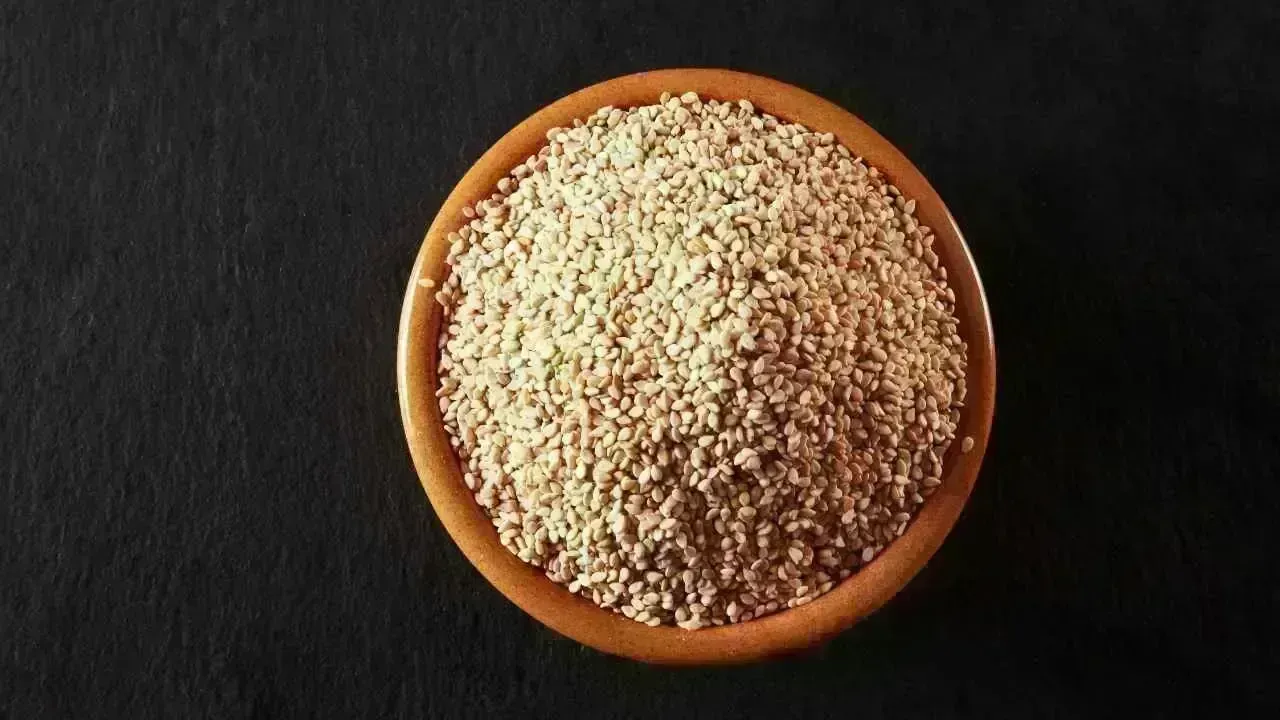
Despite their tiny size, sesame seeds are packed with essential nutrients. These seeds have been staple ingredients in traditional cuisines across Asia, the Middle East, and India for centuries. Today, their impressive nutritional profile and health benefits are garnering renewed attention from health experts.
Calcium Concentration in Sesame Seeds
While milk is a known calcium source, sesame seeds are significantly richer in minerals. Even a small quantity of these seeds provides a substantial calcium dose, making them an excellent alternative for those who avoid dairy.
For vegans, vegetarians, and individuals with lactose intolerance, sesame seeds present a natural route to fulfilling daily calcium requirements.
Supports Bone and Dental Health
Among the core benefits of sesame seeds is their positive impact on bone and dental health. Calcium is vital for maintaining strong bones, especially as individuals age.
Additionally, the magnesium and phosphorus found in sesame seeds enhance calcium’s efficacy, providing robust bone support for all ages.
Promotes Heart Wellness
Rich in healthy fats, sesame seeds contribute to heart health. Consuming them can help balance cholesterol levels within the body, potentially lowering harmful cholesterol and promoting heart function.
Moreover, they contain elements that encourage smooth blood flow and maintain healthy blood vessels.
Enhances Digestive Health
High in fiber, sesame seeds play a crucial role in digestion. They help prevent constipation and maintain regular bowel movements.
Incorporating sesame seeds into daily diets can promote a healthy digestive system and foster beneficial gut bacteria.
Increases Energy Levels
Known as a natural energy booster, sesame seeds contain healthy fats, proteins, and essential minerals that combat fatigue.
Individuals often find benefits from consuming sesame seeds during colder seasons or after exhausting workdays.
Supports Joint and Muscle Wellness
Traditionally, sesame seeds have been recommended for joint and muscle health, especially during winter. Their mineral content helps maintain flexibility in joints while strengthening muscles.
Those experiencing stiffness or discomfort may find regular, moderate consumption of sesame seeds beneficial.
Beneficial for Skin and Hair
The antioxidants and healthy fats in sesame seeds help keep skin hydrated and nourished, combating dryness, particularly in winter.
For hair vitality, these seeds promote scalp health and strength. Regular consumption may alleviate nutrient-induced hair weakness.
Strengthens Immune Response
Rich in zinc and antioxidants, sesame seeds fortify the immune system. A robust immune system is essential for fighting infections and recovering swiftly from ailments.
Incorporating sesame seeds into a balanced diet can bolster the body’s natural defense mechanisms.
Aids in Weight Management
Though high in fats, sesame seeds can support weight management when consumed wisely. Their fiber and protein content promote satiety, curbing excessive snacking.
Thus, they serve as a nutritious addition to the diet rather than a weight gain factor.
Easy Ways to Incorporate Sesame Seeds
There are numerous simple methods to enjoy sesame seeds. They can be lightly toasted and added to salads, veggies, bread, or snacks, or mixed into warm dishes.
Soaking them prior to consumption can enhance digestion and nutrient absorption.
A small daily intake of one to two teaspoons can yield significant health benefits.
Precautionary Measures
Individuals with sesame seed allergies should steer clear of them altogether.
Those with sensitive digestive systems should introduce them slowly and monitor their body's response.
As with all foods, moderation is essential.
In summary, sesame seeds may be small in size but pack a punch when it comes to health benefits. With a higher calcium content than milk, they support various aspects of health including bones, heart, digestion, immunity, and skin.
Incorporating sesame seeds into your meals in modest amounts can be an excellent way to enhance overall health. The key to optimal benefits lies in balance and awareness of one’s body.
For many, sesame seeds are not just a culinary ingredient but a significant nutritional ally that deserves more attention in daily diets.
Disclaimer
This article provides general information and is based on widely accepted nutrition knowledge and traditional dietary customs. It’s not a substitute for professional medical advice, diagnosis, or treatment. Individual health needs vary, and readers are encouraged to consult health professionals before making significant dietary changes, particularly those with allergies or pre-existing health issues.


 English