Post by : Anis
Al-Rashid
The Quiet Threat of Disease
Typically, people connect illness with visible signals like fever, pain, or general discomfort. We view symptoms as our body's warning signs.
However, some health risks remain undetected.
They may go unnoticed altogether—until they reach an advanced stage that complicates treatment.
These ailments can insidiously damage critical organs such as the heart, kidneys, or brain without initial disruption to daily activities. You might feel perfectly fine, engage in your usual routine, and sleep soundly, all while the disease is progressing unnoticed.
This subtlety makes these threats particularly perilous.
They disrupt nothing in your life.
They don’t announce their presence aloud.
They simply exist.
This article highlights five perilous diseases that often fly under the radar and includes crucial questions to ask your healthcare provider to catch them early.
The Shared Traits of Silent Threats
Why These Illnesses Go Unnoticed
Silent diseases exhibit three characteristics:
-
They offer minimal to no pain in the initial phases
-
They evolve slowly and gradually
-
They can cause irreversible damage to vital organs if neglected
Because there are no alarming symptoms, people tend to put off medical check-ups. Minor signs get overlooked, and in our busy lives, preventive care is postponed.
Upon sudden breakdown—when it’s too late—serious complications arise.
1. Hypertension
The Invisible Danger
Hypertension brings no discomfort, no fatigue, and no signs of concern.
Yet, it steadily destroys:
-
Heart muscles
-
Arteries
-
Kidneys
-
Brain
-
Eyes
Countless individuals live with dangerously high levels, unaware that something is amiss.
Why It's a Killer
When blood pressure remains elevated:
-
The vessel walls weaken
-
The heart enlarges abnormally
-
Blood flow to the brain gets restricted
-
Kidney function deteriorates painlessly
In time, it can lead to:
-
Heart attacks
-
Stroke
-
Vision loss
-
Kidney failure
-
Sudden death
Often, the first symptom manifests as a medical crisis.
Who Is Vulnerable?
Even younger adults may find their pressure levels creeping higher.
Key Questions for Your Doctor
Essential Inquiries to Make
-
“What’s my current blood pressure?”
-
“Is it within the normal range?”
-
“How frequently should I have it checked?”
-
“Do I need to modify my diet or lifestyle?”
-
“Should I consider continuous monitoring?”
Don’t assume “no symptoms” means “no risks.”
2. Type 2 Diabetes
Deadly Sugar Issues
Initially, diabetes rarely causes pain.
Rather, it:
-
Thickens your blood
-
Damages nerves
-
Impairs your sight
-
Harms kidneys
-
Weakens immune response
The progression is quiet.
Many discover they have diabetes only after experiencing:
Why It Can Be Fatal
Uncontrolled blood sugar can lead to:
-
Stiffened arteries
-
Heart diseases
-
Possible amputations
-
Loss of sensation
-
Permanent vision issues
Early detection makes management straightforward.
Symptoms Often Overlooked
-
Chronic fatigue
-
Blurry vision
-
Frequent urination
-
Slow-healing wounds
-
Slight weight loss
-
Increased thirst
These are often confused with everyday stress or aging.
Key Questions for Your Doctor
Critical Questions for Screening
-
“What’s my blood sugar level?”
-
“What’s my HbA1c count?”
-
“Am I at risk of prediabetes?”
-
“Should I make lifestyle changes now?”
-
“How frequently do I need monitoring?”
With commitment, early diabetes can often be reversed.
However, later stages can only be managed; they cannot be reversed.
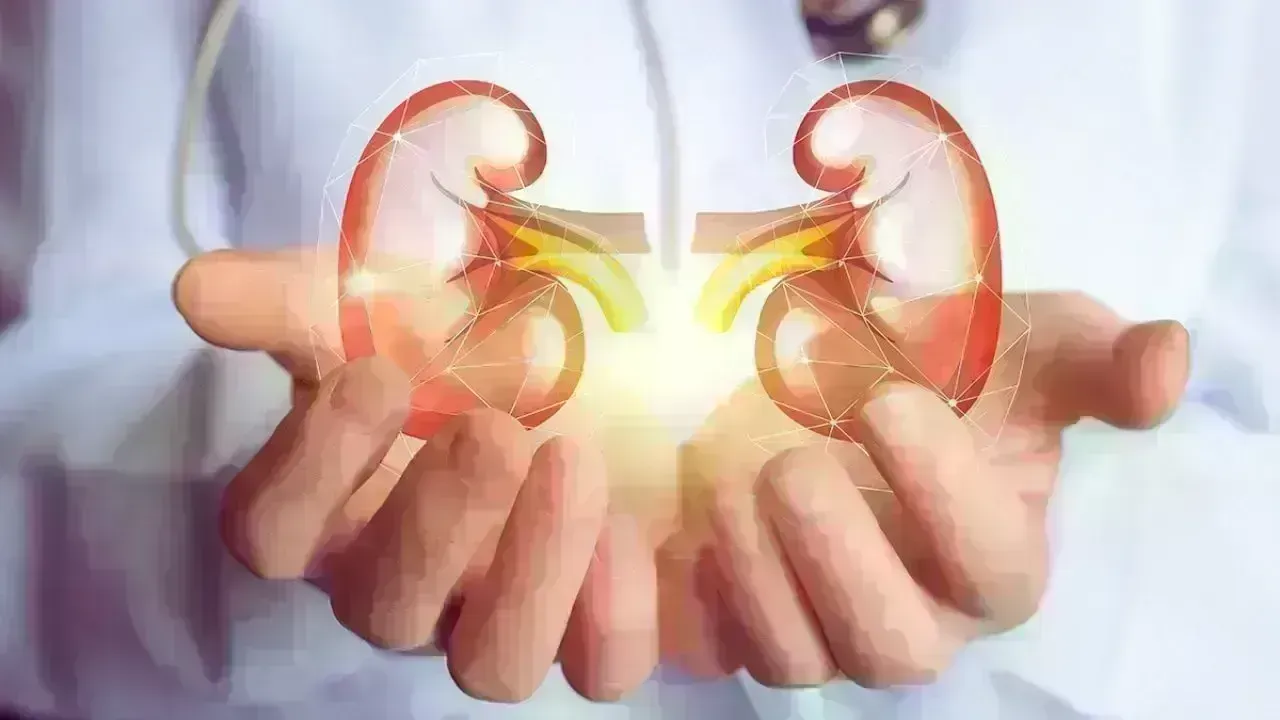
3. Chronic Kidney Disease
The Silent Renal Danger
Kidney issues do not announce themselves with pain at first.
Most do not realize there’s a problem until more than half of kidney function is lost.
By the time signs surface:
-
Treatment options are scarce
-
Dialysis can become inevitable
-
Transplant discussions may begin
Rare Early Symptoms
Subtle indicators might include:
-
Slight swelling
-
Decreased appetite
-
Dry skin
-
Nocturnal urination
-
Foamy urine
-
High blood pressure
Yet, many feel nothing at all.
The Risks of Kidney Failure
When kidneys decline:
-
Toxins amass in the bloodstream
-
Fluid builds up in the lungs
-
Blood pressure escalates
-
Risk of heart disease doubles
-
Anemia can develop
Kidney failure doesn’t occur in isolation;
it affects other organs as well.
Questions for Your Doctor
Essential Checks Needed
-
“What’s my creatinine level?”
-
“What’s my eGFR score?”
-
“Is there protein present in my urine?”
-
“Do my kidneys appear healthy for my age?”
A quick urine test can identify CKD early.
Don’t wait for noticeable signs.
4. Fatty Liver Disease
The Silent Organ Threat
Your liver cannot signal pain.
It lacks pain receptors.
This makes liver issues unnervingly undetectable.
Fat accumulates gradually, scarring tissues until causing:
-
Cirrhosis
-
Liver failure
-
Cancer
-
Portal hypertension
Reasons for Rising Cases of Fatty Liver
It relates closely to:
-
Unhealthy diet
-
Obesity
-
Type 2 diabetes
-
Sedentary lifestyle
-
High alcohol consumption
-
Excessive sugar intake
Fatty liver impacts even young adults and teens today.
Symptoms Are Often Subdued
These can be misattributed to “acidity” or a hectic diet.
Key Questions for Your Doctor
Life-Saving Screening Questions
-
“Are my liver enzymes in check?”
-
“Should I have an ultrasound?”
-
“Can fatty liver be reversed for my case?”
-
“What immediate changes should I implement?”
Fatty liver is reversible only in the early stages.
Advanced stages lead to permanent issues.
5. Heart Disease
The Most Dangerous Silent Killer
Heart disease may not start with chest pain.
Often, the initial signs can be:
-
Sudden collapse
-
Heart attacks
-
Irregular heartbeats
-
Stroke
Meanwhile, arteries narrow silently, plaque accumulates quietly, and heart muscles weaken unnoticed.
Invisible Risk Elements
Signals Often Missed
Heart-related signs can be subtle.
Particularly among women.
Questions for Your Doctor
Heart Health Questions
-
“What’s my cholesterol status?”
-
“Should I get an ECG or stress test?”
-
“Is my risk profile low or high?”
-
“Do I need preventative medication?”
-
“What lifestyle changes can protect my heart?”
Choosing prevention saves lives.
Why People Hesitate to Screen (And the Risks)
Common Reasons That Delay Detection
-
“I feel healthy.”
-
“I’m still young.”
-
“No family history exists.”
-
“I’ll worry about it next year.”
-
“Healthcare costs too much.”
Silent threats capitalize on procrastination.
Ignoring the need for early detection can lead to dire consequences.
Screening Frequency Recommendations
Proposed Checkup Schedule
-
Blood pressure: At least once every 6-12 months
-
Blood sugar: Annually
-
Kidney evaluations: Annually after age 35
-
Liver tests: Annually if there are risk factors
-
Lipid panel: Annually after age 30
Sooner if you:
Screening is awareness.
It’s a proactive approach.
Daily Habits to Shield Against Silent Threats
Everyday Actions for Health
Prevention is not about medicine—
It is about a way of living.
The Fallacy of One Normal Test Result
Understanding Health Dynamics
Health status is not fixed.
A clear report from last year:
-
Does not predict future health
-
Does not mitigate risk factors
-
Does not factor in genetics
-
Does not halt the aging process
Regular health checks are essential; don’t ever take them for granted.
Financial Costs of Health Stages
| Condition |
Financial Impact |
| Early detection |
Manageable costs |
| Treatable condition |
Moderate costs |
| Emergency care |
High costs |
| Organ failure |
Life-altering expenses |
| Long-term care |
Financial ruin |
Your health is most cost-effective before it deteriorates.
Final Thoughts: Silent Killers Can Be Confronted with Testing
Silent diseases do not strike suddenly.
They methodically erode health over time.
They lay in wait until:
-
Costly recovery becomes the norm
-
Lifetime treatment that follows
-
Fear replaces informed choices
Bravery isn’t the answer.
Awareness holds the key.
Prioritize regular screening—do so not just when symptoms arise but to outmaneuver surprise.
Inquire boldly while time remains to navigate your health plan.
Health is a treasure to defend, not merely regain.
Disclaimer:
This article serves informative purposes only and is not intended to replace professional medical advice, diagnosis, or treatment. Readers should seek guidance from qualified healthcare providers regarding their specific health circumstances and screening suggestions.


 English