Post by : Meena
Hassan
Taiwan has unveiled plans to forge a robust long-term alliance with the United States in the booming sector of artificial intelligence (AI). This strategic initiative coincides with a recent trade agreement that includes tariff reductions and Taiwan's pledge to bolster investments in the U.S.
Vice Premier Cheng Li-chiun stated that AI is now a prime focus for Taiwan’s future and aligns with its international collaboration efforts. Enhanced partnership with the U.S. can yield significant economic and technological advantages for both nations amid rising global competition in AI.
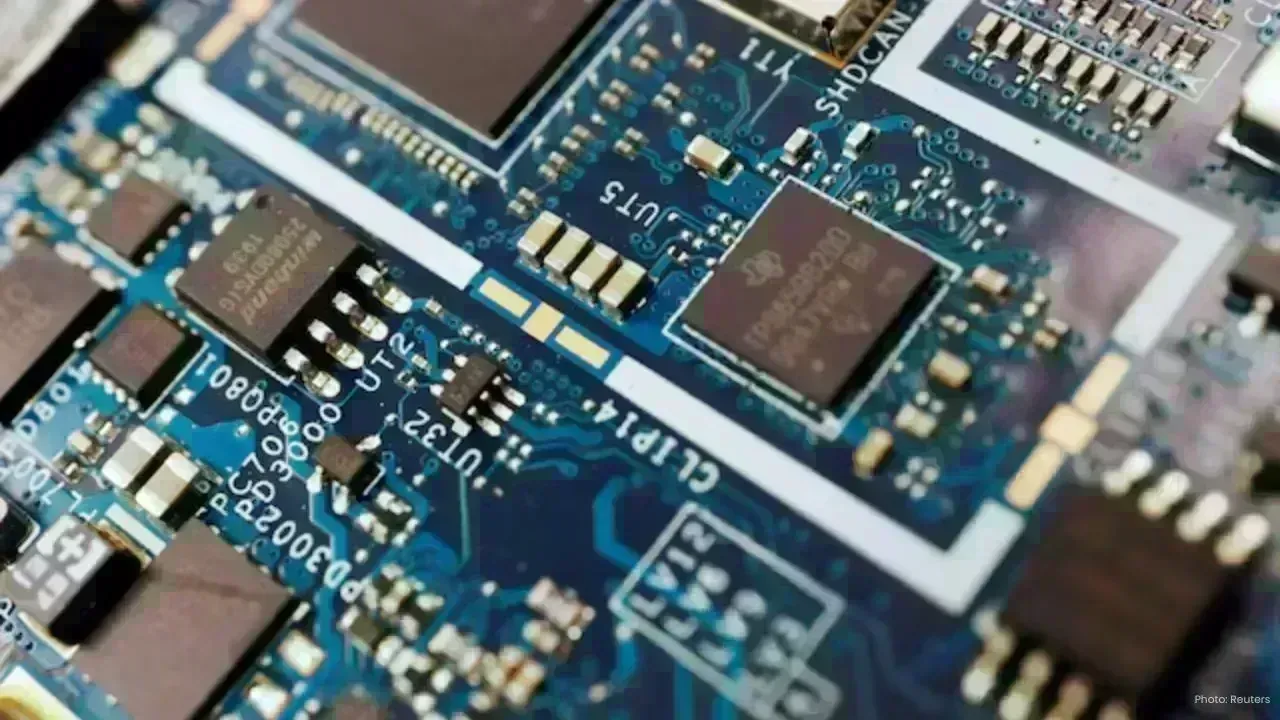
Taiwan's strong semiconductor sector uniquely positions it to aid America’s ambition to lead in AI technology. Renowned for producing top-tier semiconductors, Taiwanese manufacturers supply the technology powering AI systems, cloud infrastructures, smart devices, and cutting-edge defense systems.
Cheng's comments come as the Trump administration increases pressure on global semiconductor firms to expand manufacturing within the U.S. The focus on domestic chip production, especially for AI, is critical given concerns regarding supply chain security.
U.S. officials emphasize the need for reliable chip supply chains to maintain national security and have been encouraging prominent manufacturers in Asia to prioritize investments in U.S. facilities.
In response, Taiwan is prepared to collaborate closely, understanding U.S. concerns over economic security. This cooperation is expected to encompass greater investments, technology transfers, and support for advanced chip production in the U.S.
Under the recent trade agreement, Taiwan has committed to reducing tariffs and facilitating trade between the two countries. In return, Taiwanese tech companies are anticipated to enhance their presence in the U.S. by establishing factories, R&D centers, and thousands of high-skilled jobs.
This initiative aligns with broader U.S. efforts to bring critical technology production back home. AI chips are deemed vital for machine learning, data processing, and advanced software development, hence, dependence on foreign supply chains is seen as unacceptable.
For Taiwan, solidifying AI ties with the U.S. carries additional strategic weight as it contends with ongoing political and military pressures from China, which claims sovereignty over the island. Deep economic cooperation with the U.S. aims to bolster mutual trust and sustain political support in the long run.
While Cheng did not reveal specific investment amounts, she assured that Taiwan’s commitment to this partnership would be both significant and enduring. Taiwanese companies are ready to align with U.S. policies to escalate their production of advanced AI chips on American soil.
Experts suggest that this collaborative strategy could effectively tackle pressing challenges; enhancing U.S. dominance over critical technology supply chains while creating a conducive business environment for Taiwanese firms to flourish internationally.
Nevertheless, challenges persist. Establishing advanced chip fabrication plants is expensive and time-intensive, requiring a skilled workforce and dependable energy, along with close cooperation between Taiwanese firms and U.S. governmental bodies.
Despite these hurdles, Taiwanese officials maintain optimism. Cheng highlighted that Taiwan's longstanding experience in semiconductor manufacturing, paired with U.S. innovation, offers a reliable foundation for success in AI.
The partnership has the potential to extend beyond manufacturing, encompassing joint research initiatives, application development, global tech standards, academic collaborations, and deeper tech company synergies.
This transition reflects a global trend where trade, advanced technology, and national security intertwine. AI, in particular, symbolizes future economic power and influence.
By stepping up as a key AI ally to the U.S., Taiwan aims to secure its position in the global AI landscape, fostering economic growth, technological advancements, and strengthening political relations in the process.
Ultimately, Taiwan's initiative for a strategic AI partnership with the U.S. signifies a pivotal moment in redefining global technology alliances by aiming for a more secure and competitive future through tariff reductions, investment increases, and cooperative innovation.


 English