Post by : Saif
Al-Najjar
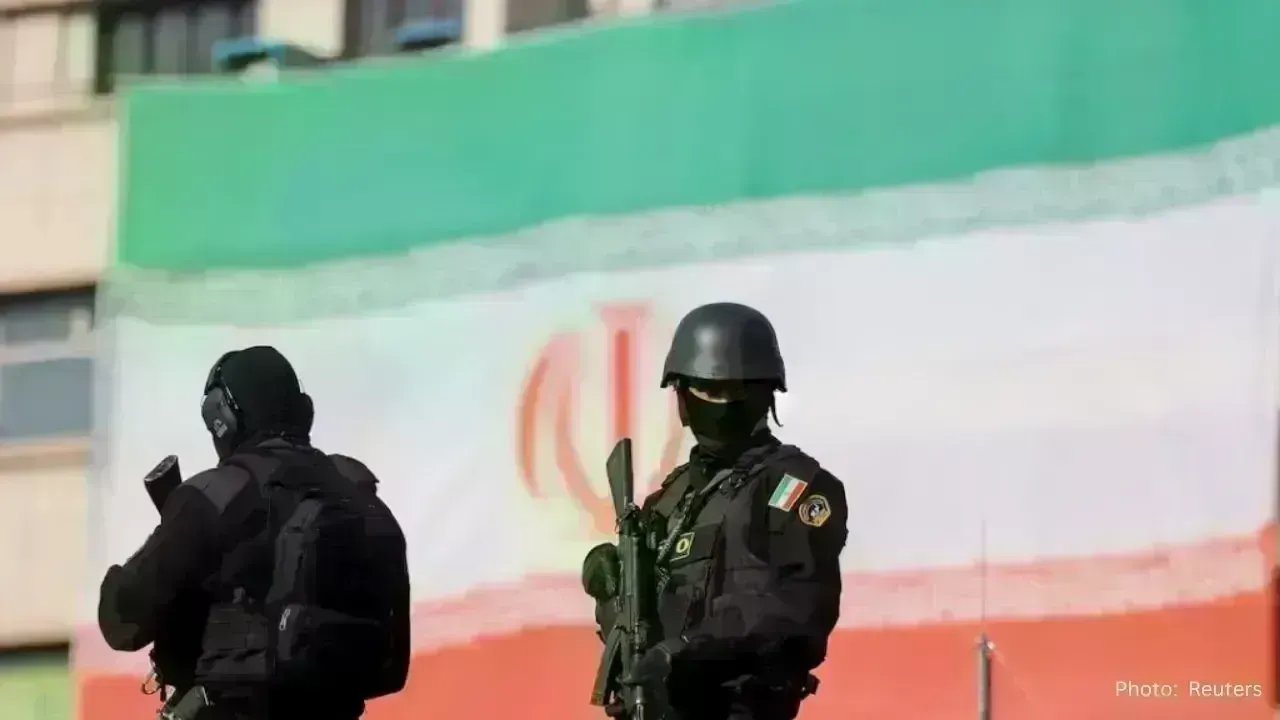
Iran is in the midst of a significant internal upheaval, marked by nationwide protests that challenge the clerical leadership and draw attention from the United States. President Donald Trump is assessing potential responses, balancing forceful rhetoric with the possibility of diplomatic efforts.
Reports confirm that Iran continues to communicate with Washington, despite the chaos sparked by a violent crackdown on demonstrators. These protests are viewed as a significant threat to the ruling regime since the 1979 Islamic Revolution.
The demonstrations, ignited by soaring prices affecting daily living, quickly evolved from economic dissent into open demands for the dissolution of clerical rule. Protests have proliferated across multiple cities, with large gatherings occurring despite stringent security measures.
According to human rights organization HRANA, at least 646 individuals have lost their lives, including over 500 protesters, with thousands more detained. These numbers are yet to be independently verified, but various videos from within Iran suggest a dire situation. Families of the deceased have been reported chanting government-critical slogans at cemeteries.
President Trump has responded with forceful statements and increased pressure. He indicated that nations conducting business with Iran could see a 25% tariff on exports to the U.S. He has also issued threats of military action if Iranian security forces persist in their violent response to demonstrators.
While Trump maintains that diplomacy is preferred, he has made it known that other measures, such as cyber operations, escalated sanctions, or military strikes, are also feasible. However, such options come with significant risks, especially considering the proximity of military installations to civilian populations.
In the meantime, Iranian authorities assert that discussions with the U.S. are ongoing. Foreign Minister Abbas Araqchi has acknowledged continued communication with U.S. envoy Steve Witkoff, but emphasized that the threats from Washington complicate negotiations.
The Iranian government attributes the unrest to foreign meddling, blaming both the U.S. and Israel for inciting violence. Reports in state media highlight attacks on security personnel and claim that numerous mosques and ambulances have suffered damage. Officials claim to have the situation under control.
Currently, there are no evident fractures within Iran’s leadership or military. The protest movement lacks a unifying leader, making it both harder to organize and harder to suppress as a whole.
The crisis has implications that extend beyond Iran’s borders, pushing oil prices higher as uncertainties about possible U.S. actions threaten Iranian oil exports. Countries like China, which heavily imports Iranian oil, have criticized the U.S. for imposing unilateral sanctions.
Additionally, Iran is still recovering from the previous year's intense but brief conflict with Israel and the U.S., which compromised its military leadership and regional standing, further heightening public dissatisfaction.
As the world watches carefully, Trump’s forthcoming decisions might influence not just Iran's trajectory but also the broader stability of the Middle East. While channels for dialogue remain open, the combination of protests, threats, and increasing fatalities amplifies the potential for danger.
This critical juncture illustrates how domestic unrest can escalate into an international dilemma. The direction ahead—whether towards dialogue or confrontation—will hinge on the choices made in both Washington and Tehran in the near future.


 English