Post by : Sami
Al-Rahmani
Understanding Digestive Issues and Enhancing Gut Wellness
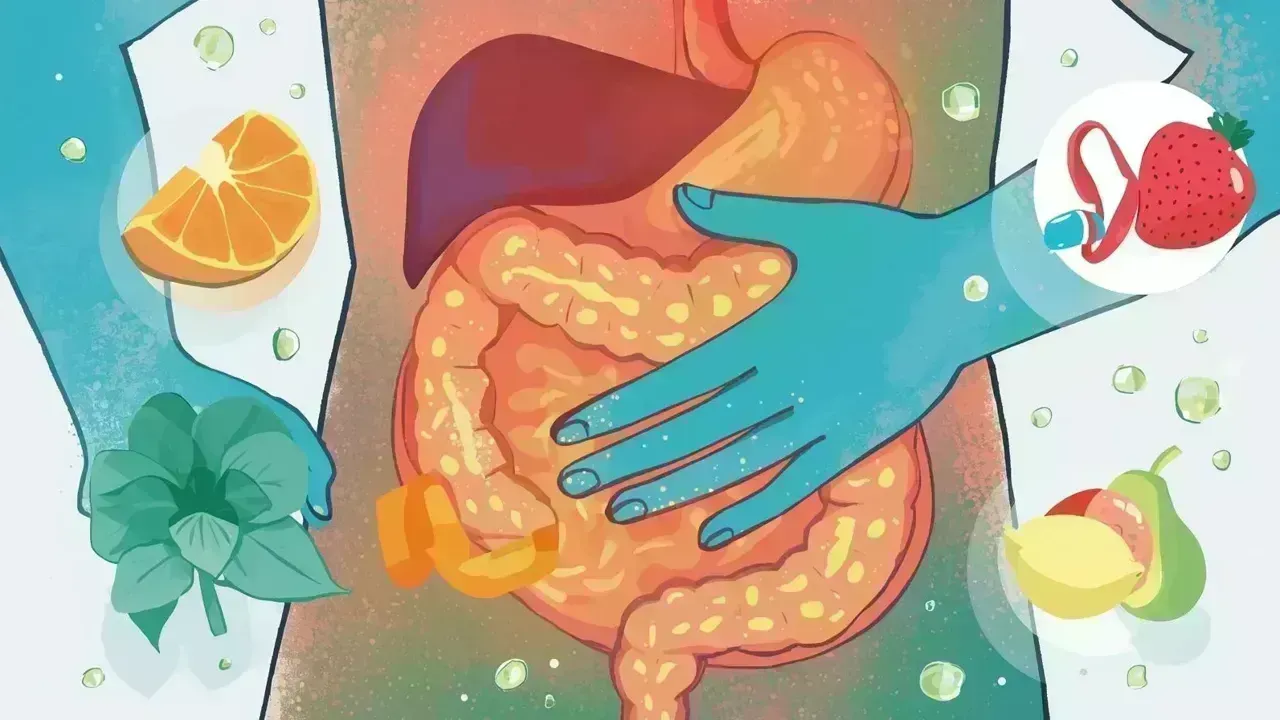
Digestive difficulties are increasingly common, affecting many with bloating, acidity, constipation, gas, diarrhea, abdominal discomfort, and irregular bowel habits. These issues extend beyond mere discomfort, impacting energy levels, immune function, skin condition, mood, and long-term health risks.
Healthy digestion is pivotal for overall health—poor digestion hinders nutrient absorption, leads to toxin build-up, fuels inflammation, and undermines immune health. Identifying the genuine causes of digestive problems is a crucial step toward sustainable solutions.
This article delves into the main drivers of digestive issues and highlights practical, scientifically-supported strategies to enhance gut health.
Grasping the Digestive System and Gut Function
The digestive system's role is to process food, absorb nutrients, and remove waste. At its heart is the gut, composed of the stomach, intestines, and a vast community of microorganisms known as the gut microbiome.
An optimally functioning gut:
-
Efficiently breaks down food
-
Absorbs essential vitamins and minerals
-
Upholds a robust immune response
-
Manages inflammation levels
-
Communicates with the brain via the gut-brain axis
Disruptions in gut balance can lead to various digestive issues.
Diet: The Primary Influencer of Digestive Health
Diet is a major factor influencing gut health.
Excessive Intake of Processed Foods
Today's diets are often filled with packaged items rich in refined flour, sugars, preservatives, artificial sweeteners, and unhealthy fats. Such items:
-
Hinder digestion
-
Encourage harmful gut bacteria growth
-
Decrease beneficial bacterial diversity
-
Contribute to gut inflammation
Consequently, they can lead to bloating, gas, irregular stools, and acidity.
Inadequate Fiber Consumption
Fiber is vital for gut mobility and microbial diversity. Low intake of vegetables, fruits, whole grains, and legumes can result in:
Inconsistent Eating Patterns
Skipping meals, late-night eating, or varying meal times disrupt digestive rhythms, resulting in:
The Impact of Chronic Stress on Digestion
Stress remains a significant yet often overlooked cause of digestive disorder.
Stress and Gut Function
In stressful situations, the body activates its fight-or-flight response, diverting blood flow from digestion to essential muscle and brain functions, resulting in:
-
Decreased digestive enzyme production
-
Slower movement in the gut
-
Increased acid generation
-
Heightened sensitivity in the gut
Chronic stress may lead to conditions like IBS, acidity, and functional bloating.
Gut-Brain Interaction
The gut and brain are in constant communication through nerves and hormones. Emotional stress can provoke digestive symptoms, even absent dietary triggers.
Gut Bacterial Imbalance (Dysbiosis)
The gut microbiome is critical for digestion.
Factors Leading to Gut Imbalance
Signs of Gut Dysbiosis
Hidden Causes: Low Stomach Acid
Contrary to popular belief, many digestive troubles stem from insufficient stomach acid, rather than excess.
Importance of Stomach Acid
Stomach acid is vital for:
-
Breaking down proteins
-
Killing harmful bacteria
-
Stimulating enzyme production
Low acid levels can lead to:
-
Bloating after protein consumption
-
Symptoms similar to acid reflux
-
Nutritional deficiencies
Suppressing acid without tackling the root issues can worsen digestive health.
Hydration and its Role in Digestion
Sufficient water intake is essential for digestive function.
Consequences of Dehydration
-
Slower bowel movements
-
Hard stools
-
Heightened risk of constipation
-
Poor nutrient absorption
Many confuse thirst with hunger, often overeating instead of hydrating.
Impact of Sedentary Lifestyle on Digestion
Physical movement is vital for stimulating gut activity.
How Inactivity Impacts Digestion
-
Delayed intestinal movement
-
Increased gas accumulation
-
Reduced blood flow to digestive organs
Regular activity supports bowel regularity and enzyme performance.
Food Intolerances and Sensitivities
Certain foods can lead to digestive distress even if they are typically healthy.
Common Triggers
Medication Overuse Effects
Certain drugs can compromise digestive health.
Major Offenders
Impact of Sleep Quality on Digestive Health
Digestion follows a natural daily rhythm.
Sleep's Effects on Digestion
-
Poor sleep disturbs gut motility
-
Increases inflammation
-
Alters hormones related to hunger
Digestive processes generally slow down at night, making late meals paired with poor sleep exacerbate acidity and bloating.
Natural Methods to Enhance Gut Health
Improving gut health demands consistency rather than drastic dietary changes.
Adopt a Gut-Friendly Diet
Emphasize whole, minimally processed foods.
Foods for Digestive Benefits
Gradually Integrate Fiber
Too much fiber too quickly can lead to gas.
Optimal Approach
Promote Gut Microbiome Balance
A diverse microbiome is key to digestion improvement.
Ways to Support This
-
Vary your plant-based food intake
-
Avoid unnecessary antibiotics
-
Limit sugar consumption
-
Manage stress levels
Consistency is vital over reliance on supplements.
Optimize Eating Habits and Meal Timing
How meals are consumed is as significant as what is consumed.
Crucial Practices
-
Eat at consistent times
-
Steer clear of late-night snacks
-
Thoroughly chew each bite
-
Avoid distractions during meals
Mindful eating can enhance enzyme release and aid digestion.
Stress Management for Gut Healing
Addressing stress can directly impact digestive health.
Easy Stress-Relief Techniques
-
Take regular walks
-
Practice breathing exercises
-
Limit constant notifications
-
Ensure sufficient rest
A calm system promotes better digestion.
Consistent Hydration
Drink water steadily instead of consuming large quantities at once.
Hydration Hints
Incorporate Daily Movement
Light physical activities can provide significant benefits.
Types of Helpful Movements
Enhance Sleep Quality
Quality sleep fosters gut repair.
Habits to Support Better Sleep
-
Maintain a consistent sleep schedule
-
No screens before bedtime
-
Light meals at night
Gut restoration is accelerated during deep sleep.
When to Seek Medical Guidance
Consult a healthcare professional if digestive symptoms:
-
Persist over months
-
Involve unexplained weight loss
-
Include blood presence in stools
-
Cause extreme pain
Timely diagnosis is essential to avoid complications.
Commit to Long-Term Gut Health
Achieving gut health is a long-term process, reflective of daily habits. Small, ongoing changes can lead to significant gains in digestion, energy, immunity, and cognitive function.
Final Thoughts on Digestive Wellness
Digestive issues signal necessary adjustments rather than failures. They reveal imbalances in diet, stress, activity, sleep, or gut flora. Addressing these collectively leads to natural and lasting improvements in digestion.
A well-functioning gut correlates with a healthy life.
Disclaimer
This content serves informational purposes only and cannot substitute for professional medical advice. Responses to digestive conditions can vary among individuals. Consult a qualified healthcare provider if symptoms worsen, persist, or are severe.


 English