Post by : Saif
Al-Najjar
The Secretariat of the Pacific Regional Environment Programme (SPREP) has stated that the United States cannot exit the organization without adhering to a proper and formal withdrawal process. This assertion follows U.S. President Donald Trump’s announcement to pull out from multiple international entities, including SPREP.
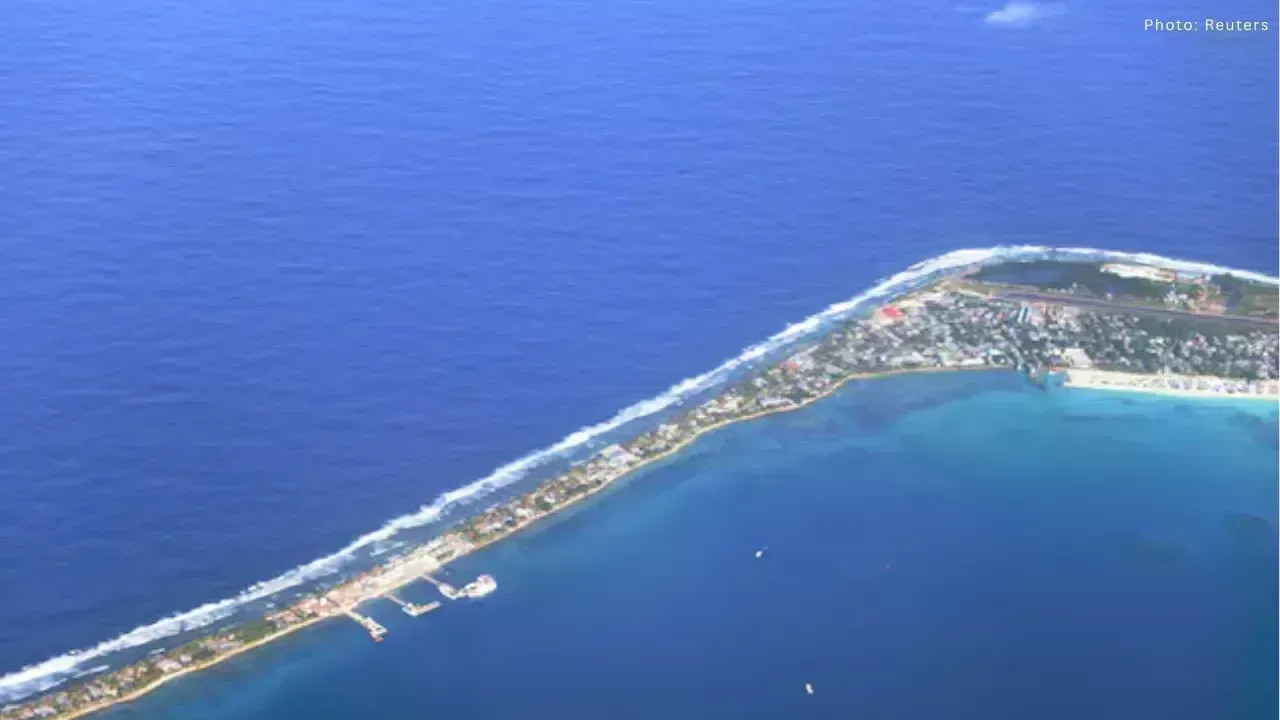
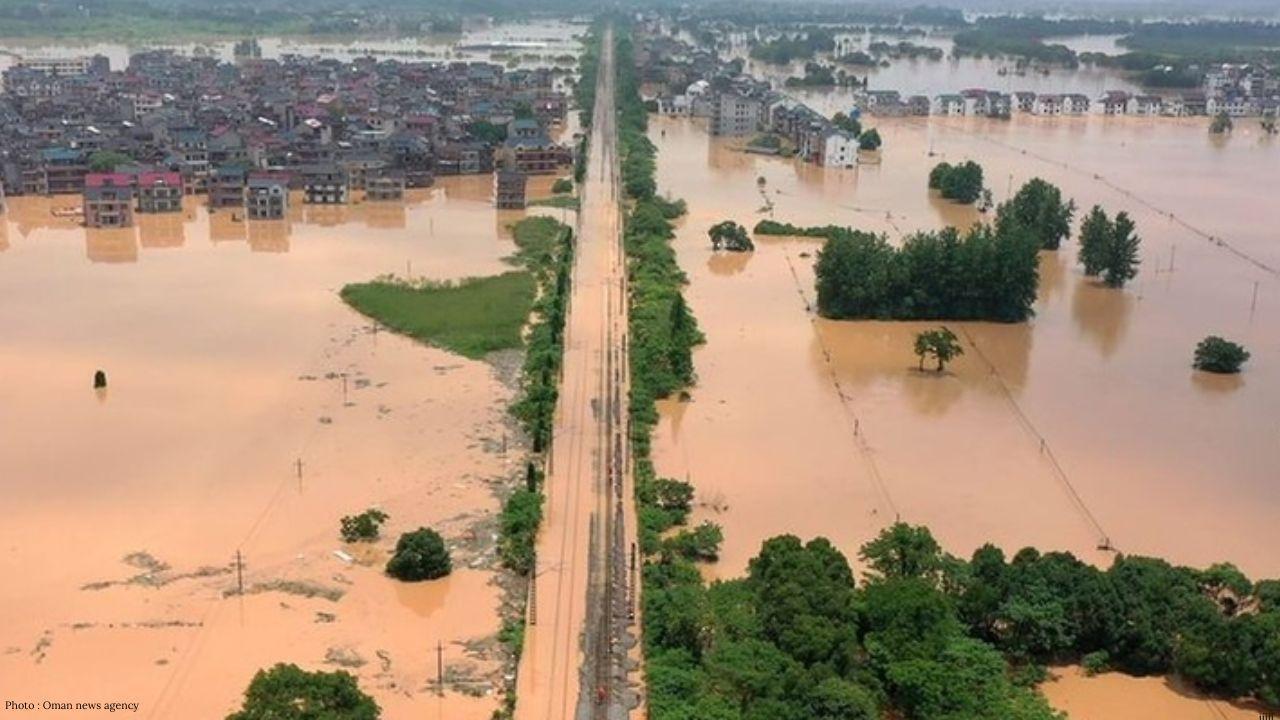
SPREP, headquartered in Samoa, has dedicated itself for years to assisting Pacific island nations in environmental conservation. These countries are particularly susceptible to the impacts of climate change, facing threats from rising sea levels, intensified storms, and coastal flooding.
To aid its members, SPREP facilitates representation at global climate forums and implements programs focused on pollution management, disaster preparedness, and warning systems for severe weather. Additionally, it supports countries in readying themselves for oil spills and environmental crises.
According to SPREP Director-General Sefanaia Nawadra, the U.S. remains a full member until the prescribed withdrawal process is fulfilled. He reiterated that there are explicit regulations governing exits from SPREP that must be adhered to, meaning the U.S. continues to hold its membership status in the interim.
The U.S. has historically provided financial and technical support to SPREP, which is crucial for its commitments. However, Nawadra noted that other partner nations are expected to step in to sustain the organization’s initiatives. SPREP's primary contributors include Australia, the UK, New Zealand, France, and the United States, with limited funding from China in recent years.
SPREP employs over 150 personnel throughout various Pacific territories, such as Fiji, Vanuatu, the Solomon Islands, and the Marshall Islands. Its initiatives crucially impact daily life by safeguarding oceans, coastlines, and communities from environmental threats.
Concerns have been raised by several Pacific leaders regarding a potential decline in U.S. sway in the region following a withdrawal. A government minister from one Pacific country privately noted that withdrawing from regional organizations could allow China to fortify its presence in the Pacific, a region where its influence has been growing.
Tensions in U.S.-Pacific relations have escalated in light of new travel stipulations. Several island nations, including Fiji, Tuvalu, Tonga, and Vanuatu, are set to encounter increased costs and tougher entry regulations to the United States. This has raised alarms among Pacific governments about the prospects for U.S. involvement going forward.
For Pacific island nations, climate change is an immediate challenge, not a future possibility. Entities like SPREP are vital in aiding these nations to safeguard their environment and strategize for the future. The manner in which the United States navigates its proposed exit from SPREP will significantly influence both environmental partnerships and political authority in the Pacific.


 English