Post by : Anis
Al-Rashid
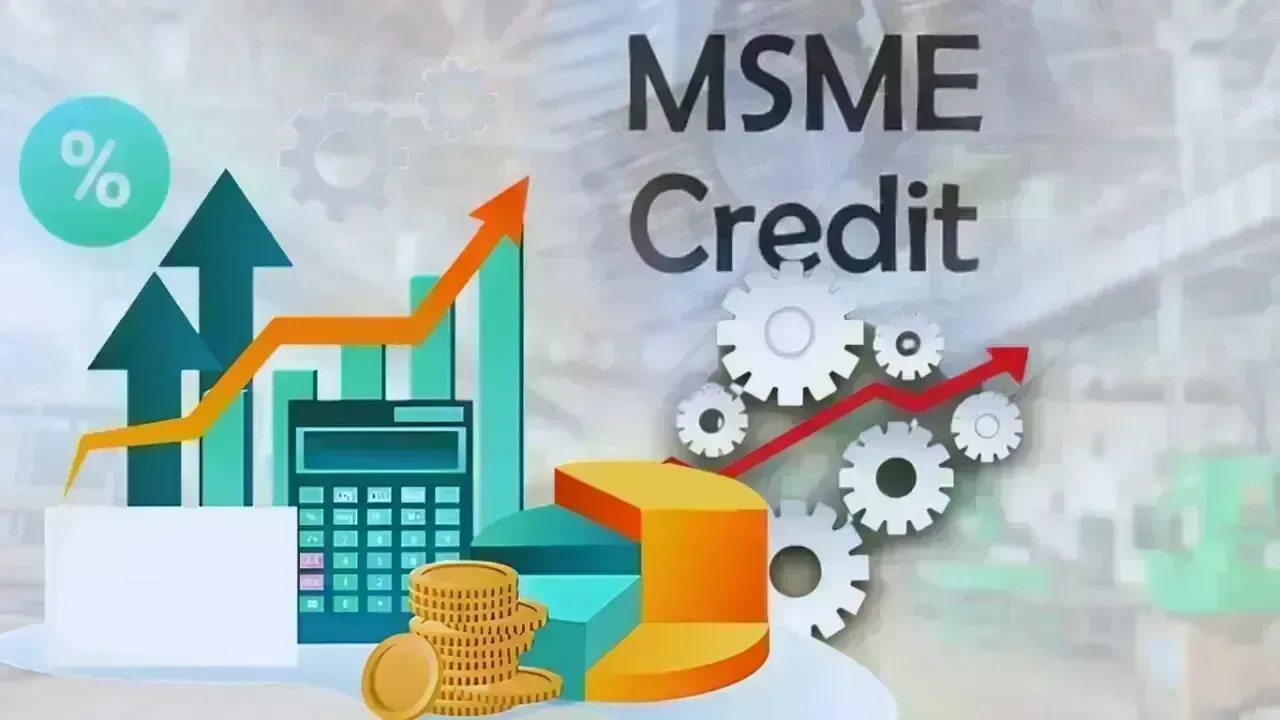
The Persistent Issue of MSME Credit Challenges
Micro, Small, and Medium Enterprises are crucial to job creation, innovation, and economic stability. They significantly contribute to jobs and economic activity across the globe. However, despite their vital role, MSMEs continue to experience acute financial vulnerability.
The issue of credit stress isn’t new but has intensified in recent years due to rising costs, variations in demand, payment delays, and increased financial restrictions. This fragility makes them particularly susceptible to financial distress, even when governments introduce various supportive measures and credit initiatives, little has changed for many small businesses.
The gap between policy objectives and actual outcomes has turned MSME credit stress into a pressing issue, frequently discussed in policy and economic discussions.
Decoding MSME Credit Stress
Understanding What Credit Stress Means for Small Enterprises
Credit stress signifies the challenges businesses face in securing sufficient financing at affordable rates. For MSMEs, this might involve application denials, high interest rates, short repayment timelines, or reliance on costly informal loans.
Unlike larger corporations, small businesses typically lack robust financial documentation, assets as collateral, and established credit histories. Consequently, even short-lived cash flow issues can lead them into severe financial predicaments.
Heightened Vulnerability of MSMEs
Operating on tight margins and with restricted reserves, MSMEs bear the brunt of any economic shocks—whether a slump in consumer demand or spikes in input costs—affecting their debt repayment capabilities directly.
This makes them particularly exposed to reduced credit availability.
The Extent of Credit Gaps in the MSME Sector
The Demand-Supply Discrepancy in Credit
Globally, the credit deficit for MSMEs stands in the trillions of dollars as formal financial institutions struggle or hesitate to meet these businesses' financing requirements on a broad scale.
Consequently, many MSMEs are compelled to depend on informal financial avenues, which are often expensive and unreliable.
Regional and Sectoral Disparities in Access
Access to credit varies greatly. MSMEs situated in rural areas or those belonging to traditional industries face more challenges than their urban or tech-driven counterparts.
Additionally, women-led and first-time entrepreneurs experience further barriers, exacerbating inequalities within the MSME landscape.
Government Responses to Support MSMEs
Utilization of Credit Guarantee Initiatives
Governments have initiated credit guarantee schemes where they share the default risk with banks to motivate lending to MSMEs.
However, while these programs may appear to facilitate credit flow, their practical effectiveness remains inconsistent.
Subsidized Loans and Interest Subsidies
Interest subsidies intended to make borrowing more affordable for MSMEs struggle with implementation challenges like intricate application processes and untimely reimbursements.
Emergency Financing during Economic Downturns
In crisis situations, emergency credit measures are often introduced to avert mass business failures, providing short-term relief but potentially increasing long-term liabilities.
Challenges of Policy Support
Banking Sector Risk Aversion
Despite numerous guarantees, banks maintain a risk-averse stance. Regulatory pressures and a lack of understanding of MSME operations contribute to cautious lending behaviors.
Uniform Policies Versus Diverse Needs
MSMEs cannot be considered a homogenous group. The unique financial requirements of a small manufacturer might differ vastly from those of a service provider, yet one-size-fits-all policy frameworks prevail.
Structural Hurdles Beyond Policy Reach
The Challenge of Formal Financial Documentation
Many small businesses operate outside formal frameworks, reducing their creditworthiness due to outdated documentation and cash transactions.
The Impact of Delayed Payments
Large clients often postpone payments to small suppliers, leading to cash flow shortages for MSMEs, even if they are profitable. This ongoing issue hampers effective policy solutions aimed at credit stress.
Escalating Costs and Slim Margins
Inflation of Input Prices
The increasing expenses of materials and logistics have significantly shrunk MSME profit margins, compelling businesses to secure more loans just to maintain operations.
Challenges in Pricing Flexibility
If faced with rising costs, unlike larger entities, MSMEs typically struggle to transfer these costs to consumers, thereby absorbing losses that impact their financial health.
The Cycle of Informal Lending
Reliance on Informal Loan Providers
When traditional credit avenues close, MSMEs often turn to informal lenders, who provide quick funds at prohibitive rates, leading to a cycle of debt.
Reasons Informal Lending Prevails
Informal lenders often grasp local business dynamics better than formal systems, which tend to be slow and rigid.
Digital Lending: Prospects and Risks
Technology as a Game Changer
Digital lending platforms offer the promise of faster credit evaluations using alternative data like transaction histories.
Risk of Unsustainable Practices
Yet, digital lenders often impose higher interest rates and operate within ambiguous regulatory environments, making it crucial to maintain safeguards.
Employment and Economic Implications
Threat to Job Opportunities
MSMEs are vital to employment; their financial instability can lead to significant job losses, affecting household incomes.
Stunted Growth Potential
When financial constraints restrict MSMEs, the potential for investment and scaling diminishes, which impacts productivity and economic growth.
Redefining Metrics for Effective Support
Misperceptions of Credit Disbursal Figures
Government statistics often overlook the actual impact of credit disbursal on MSMEs, skewed by high levels of distress across the sector.
From Survival to Stability
Policy frameworks often prioritize survival over stability; genuine support must facilitate sustainable growth.
Next Steps for Improved Support
Payment Discipline Enhancement
Ensuring timely payments from large businesses can significantly mitigate working capital stress for MSMEs.
Tailored Financial Solutions
Creating financial products that cater to specific sectors can lead to more effective credit outcomes.
The Role of Non-Banking Financial Institutions
Non-banking lenders often better understand MSME needs; supporting them can responsibly expand credit access.
Blended Finance Approaches
Combining public and private finance can attract investment into MSME lending while managing risk.
Rethinking Our Approach
Credit Availability Does Not Solve All Issues
While financial access is vital, it cannot rectify inherent challenges, such as poor infrastructure and complex regulations.
Need for Comprehensive Ecosystem Solutions
Building a resilient MSME sector requires an ecosystem that includes robust infrastructure, skill development, technology, and equitable market access.
Consequences of Neglecting Credit Stress
Increasing Non-Performing Assets
Failure to address the credit requirements of MSMEs could lead to higher default rates, impacting the entire financial system.
Deepening Economic Disparities
Inadequate support magnifies inequality, disproportionately impacting smaller firms and widening the gap with larger corporations.
Global Insights and Adaptation
Successful Models from Other Nations
Some countries have improved MSME credit access by implementing effective credit registries and cash-flow-focused financing schemes.
Challenges in Implementation
Yet, replicating these models can be difficult due to varying institutional capacities and financial literacy in different regions.
A Roadmap for Future Strategies
Emphasizing Quality Over Quantity
Future policies should focus on the sustainability of credit rather than just increasing disbursal volumes.
Building Lender-Enterprise Trust
Fostering transparency and dispute resolution mechanisms can bridge the gap between lenders and MSMEs.
Concluding Thoughts
MSME credit stress is a fundamental challenge encompassing the operational dynamics of small businesses and the financial systems in place. While current policy measures have been broadened, their impacts are often mired in flaws in design and execution. Addressing this requires a shift from superficial solutions towards comprehensive, nuanced approaches that recognize the diverse realities of MSMEs. Only then can we alleviate the ongoing pressures faced by these vital contributors to economic health.
Disclaimer:
This article is intended for informational purposes only and should not be taken as financial or any other type of advice. For important decisions, please consult a qualified professional.


 English