Post by : Bianca
Haleem
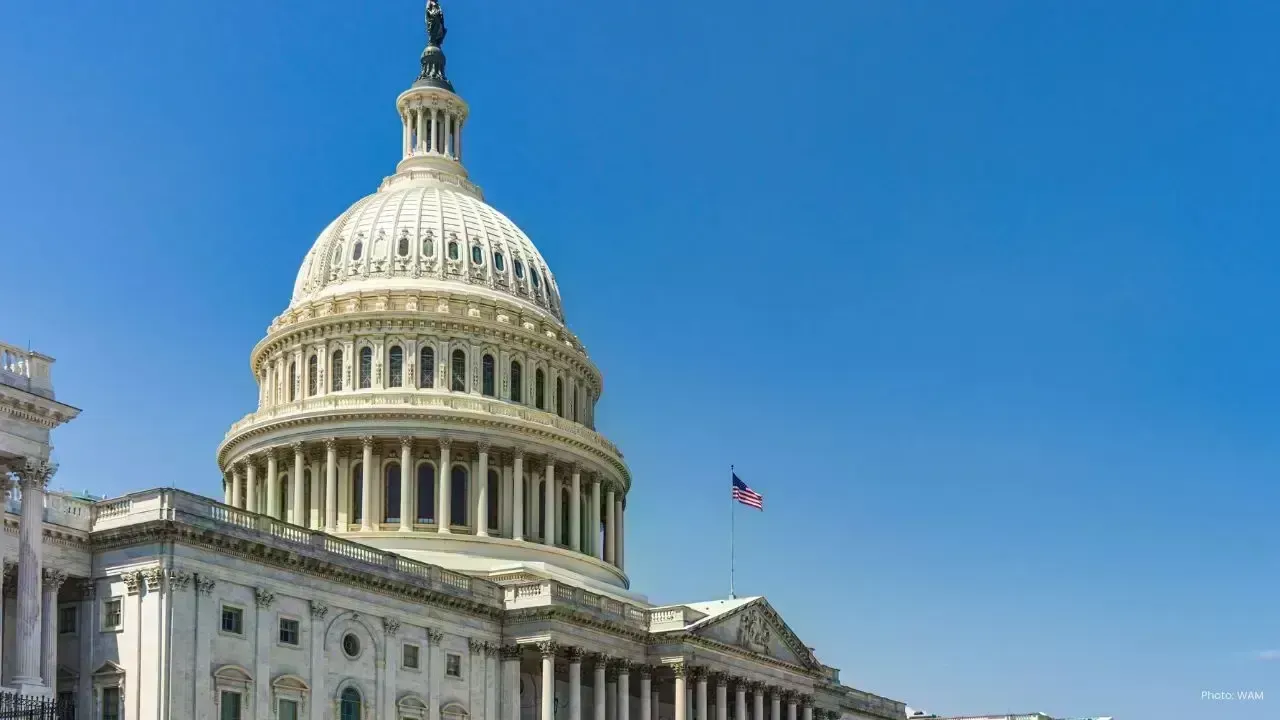
The United States Senate has taken a significant step by approving a comprehensive defence policy bill on Wednesday, allowing the Department of Defence to allocate $900.6 billion for the fiscal year 2026. This legislation, recognized as the 2026 National Defence Authorisation Act (NDAA), specifies how the military can utilize funds across various defence initiatives, including troop compensation, procurement of weapons systems, research, and overall national security strategies.
The voting came after extensive negotiations between both political parties, with the Senate endorsing the bill in a robust 77–20 vote, underscoring bipartisan agreement on its importance. This reflects a shared acknowledgment among legislators from both the Republican and Democratic factions regarding the necessity of the bill for national security.
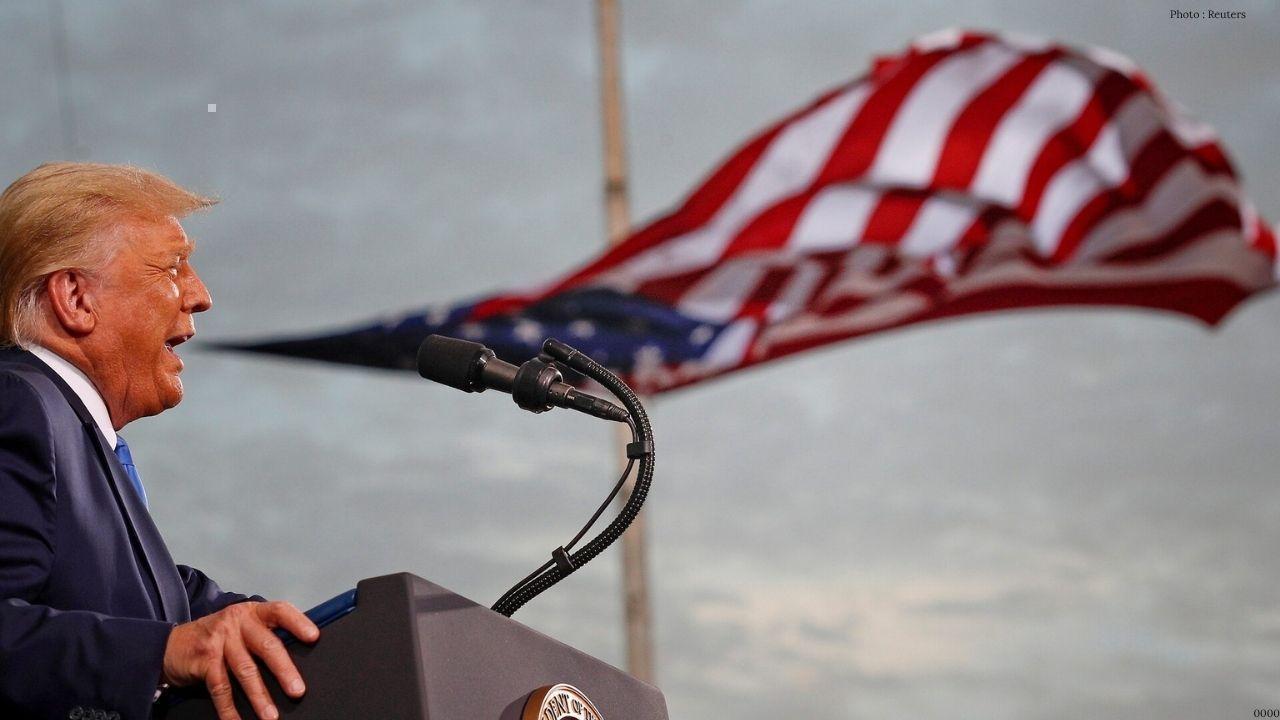
The House of Representatives previously approved the legislation on December 10. The next step involves President Donald Trump, who has indicated his intent to sign this bill into law. Once enacted, the NDAA will be formally acknowledged.
Details of the $900.6 Billion Allocation
This extensive funding package will address multiple crucial sectors:
1. Military Operations and Readiness
A significant portion of the budget will enhance the preparedness of the US Armed Forces, including:
This funding ensures that US forces remain ready for any global threats and emergencies.
2. Advanced Weapon Systems and Technology
The NDAA encourages modernization and development of new military technologies, which may encompass:
The aim is to ensure the US military retains its competitiveness against global adversaries such as China and Russia.
3. Troop Compensation and Benefits
The Act also addresses the welfare of military service members, featuring:
This ensures that active personnel and their families receive necessary financial and personal assistance.
4. International Security Collaborations
The funding is also poised to enhance:
The US aims to fortify strategic alliances and sustain its influence in critical regions like Europe and Asia.
Significance of the Bill
Annually, Congress ratifies a defence authorisation bill, which serves as a critical policy document regarding national security. It:
-
defines military expenditure limits
-
identifies fund allocation
-
determines national defense strategy frameworks
-
updates military regulations
The current bill holds heightened importance due to increasing global tensions, rapid technology advancements, and the necessity to safeguard national interests.
Bipartisan Consensus in the Senate
The decisive 77–20 vote illustrates a consensus among parties on defense priorities. Although there were discussions on various policy aspects, the final approval indicates shared objectives regarding US military readiness.
Supporters of the bill contend it is essential to:
-
ensure national security
-
preserve military capability
-
modernize defense technology
-
extend support to servicemen and veterans
Critics primarily expressed concerns regarding the significant expenditure and particular policy elements within the bill.
Anticipated Presidential Approval of the NDAA
Next, the bill will be presented to President Donald Trump, who has voiced intentions to endorse it. His approval will render the bill legally enforceable.
Following the signing, the Department of Defence will initiate planning and distribute allocated funds for the fiscal year 2026.
Implications for US National Security
The passage of this budget conveys several vital messages:
-
the US's unwavering commitment to robust defense
-
military modernization remains a high priority
-
support and benefits for troops and veterans are ensured
-
global alliances are strategically significant
It also exemplifies that, despite political divides, lawmakers can unite on matters of national security.
Next Steps After the Signing
Upon the President's signature:
-
funds will be allocated to various departments
-
new defense initiatives will commence
-
existing programs will receive reinforcement
-
benefits for service members will be implemented
This bill also outlines the future direction for defense strategy.
The US Senate's adoption of the $900.6 billion defence budget for 2026 signifies a crucial movement in shaping the nation's military policies. The overwhelming bipartisan support reinforces the goal of securing and modernizing the military. With President Trump on the verge of signing the bill, the nation is poised for advancements focused on technology, readiness, and international collaboration.
This landmark budget underscores the commitment to ensuring a strong, advanced US military capable of addressing global challenges in the foreseeable future.


 English